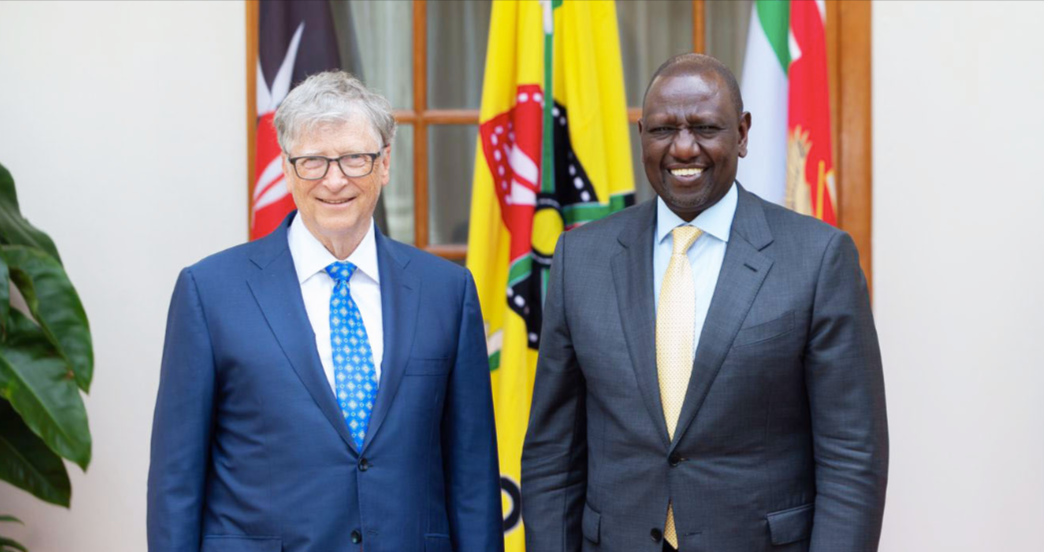
The Bill & Melinda Gates Foundation has rejected online allegations that it released mosquitoes in Kenya, saying it does not carry out mosquito release activities in the country or elsewhere.
In a statement issued on Monday, the foundation said it was aware of social media posts claiming it was releasing mosquitoes in Nairobi and described the allegation as false. It added that it does not operate laboratories that release mosquitoes and does not run vector-control activities in Nairobi or any other part of Kenya.
The claims circulated in posts on X that alleged mosquitoes had been released from laboratories in Nairobi and accused the foundation of deploying genetically modified insects. The foundation said malaria prevention and control programmes in Kenya are led by Kenyan authorities and institutions under national laws and regulatory oversight, and that its role is limited to supporting Kenyan-led health priorities in collaboration with government, researchers and public health partners.
Gates Foundation denies involvement in mosquito releases
The foundation’s response comes amid renewed social media scrutiny of genetic approaches to malaria control, including gene drive research that aims to reduce mosquito populations that transmit the disease or make them unable to spread malaria.
On its website, the foundation describes gene drive as part of a broader set of genetically based vector control tools being explored to help curb malaria transmission, alongside other interventions such as bed nets, vaccines, chemoprevention and disease surveillance.
The foundation says gene drive approaches are designed to affect specific malaria-carrying mosquito species and potentially provide long-lasting impact by spreading targeted genetic changes through future mosquito generations.
Malaria burden and why new tools are being researched
Malaria remains a major public health threat, with the World Health Organization reporting an estimated 597,000 malaria deaths worldwide in 2023 and 263 million cases, with the heaviest burden in Africa.
The WHO has also warned that drug resistance, insecticide resistance and other pressures threaten progress in malaria control, increasing interest in additional tools to complement existing prevention and treatment measures.
The Gates Foundation said its work in Kenya is carried out in support of Kenyan-led priorities and within national regulatory frameworks, while reiterating that it does not release mosquitoes and does not run laboratories that do so.