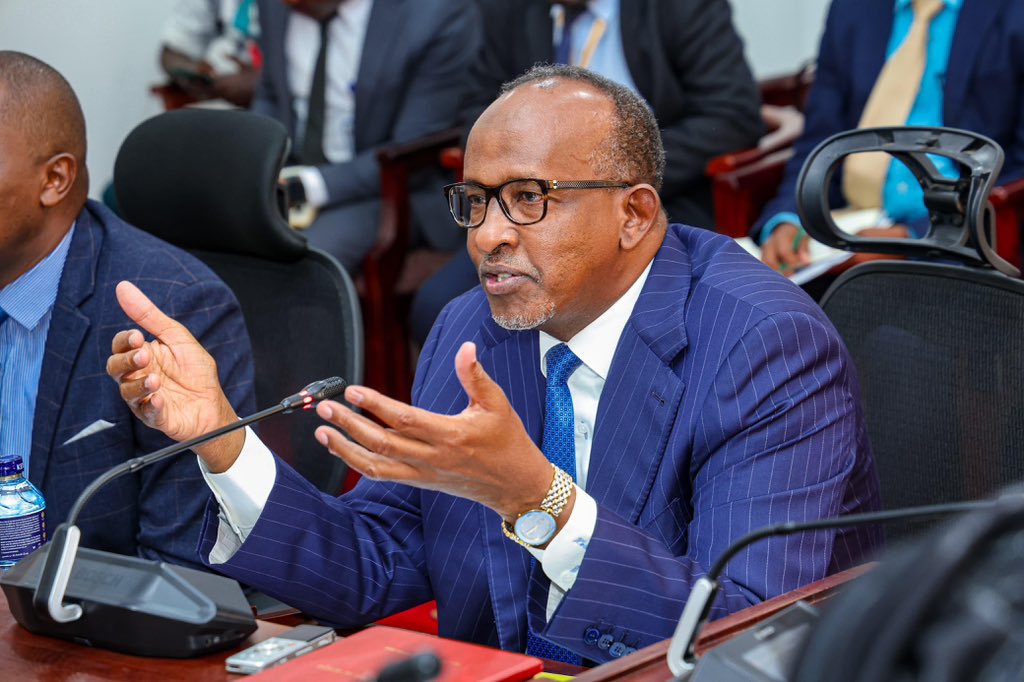
At the 16th KEMRI Annual Scientific and Health Conference in Nairobi, Aden Duale said Kenya will build a resilient, self-reliant health system grounded in local research, vaccine manufacturing and digital solutions. He placed Universal Health Coverage (UHC) at the centre of policy. UHC means access to needed services without financial hardship. Conference schedules confirm the four-day meeting, held from 10 to 13 February 2026.
Kenya health system: what changes now
Duale outlined four pillars for UHC: sustainable health financing, a strong workforce, community-based care and a robust digital ecosystem. The Ministry detailed these priorities in its conference note. The approach links service delivery with protection from catastrophic costs.
Digital tools in practice
The CS highlighted real-time bed visibility through the Bed Access Room app, which tracks occupancy across public, private and faith-based facilities. Officials say the tool has reduced cases of patients sleeping on floors by preventing over-admissions, including at Kenyatta National Hospital. The Kenya News Agency reported the rollout and use cases described by the CS.
Local manufacturing after COVID-19 shocks
Kenya’s plan elevates vaccine R&D and production as matters of health security and economic competitiveness. Only about 1% of vaccines used in Africa are made on the continent, according to Africa CDC and partner analyses; the rest are imported. That imbalance drove shortages during the pandemic. Nairobi’s policy response includes scaling capacity with Kenya BioVax Institute and research partners under Kenya Medical Research Institute (KEMRI).
From Gavi support to greater self-reliance
Kenya is working toward reduced reliance on external vaccine financing. The Ministry of Health has stated an ambition to complete the transition from Gavi, the Vaccine Alliance support by around 2030, aligning with broader UHC goals. Policy notes and partner briefings describe the current accelerated transition phase and funding responsibilities.
Research master plan and funding signals
Government agencies have developed a 10-year Science, Research and Innovation Master Plan (2026–2036) to coordinate investment and capability. Validation forums, led by the State Department for Science, Research and Innovation and the National Research Fund, emphasized increasing R&D outlays toward a 2% of GDP target. These steps aim to connect labs, universities and industry to market-ready health products.
Who is involved—and why it matters
Speakers at the conference included KEMRI leadership, BioVax executives and international partners who argued for domestically tailored vaccines, stronger clinical trials and data-driven manufacturing. Institutional pages and reporting profile Wesley Ronoh and the institute’s mandate to anchor local production. If Kenya aligns financing, workforce and digital tools with this manufacturing push, the system could better absorb shocks and cut dependence on imports.
The road ahead
Kenya’s agenda links near-term service efficiency—bed tracking, staffing and community care—with long-term sovereignty in vaccines and health technologies. Officials tie this to jobs, competitiveness and preparedness for the next crisis. The coming tests are concrete: sustained funding, regulatory readiness, timely technology transfer and transparent reporting on UHC results. Conference proceedings and government briefings set the tone; delivery will determine impact.