At least 20 people have died in Madagascar after Cyclone Gezani struck the east coast on Tuesday evening and swept inland. Authorities also listed dozens injured and several missing as teams cleared debris and restored access. The port city of Toamasina bore the brunt, with major damage to homes, power lines and roads. Videos released by the presidency show Colonel Michaël Randrianirina in flooded streets during an inspection.
A cyclone is a rotating storm system over warm oceans, with destructive winds, heavy rain and storm surge. On Tuesday, the Regional Specialized Meteorological Centre in La Réunion classified Gezani as an “intense tropical cyclone,” with gusts near 250 km/h as it neared Toamasina. The Weather Company and AFP reports described widespread roof failures and fallen trees as the eye crossed the city.
What happened in Toamasina
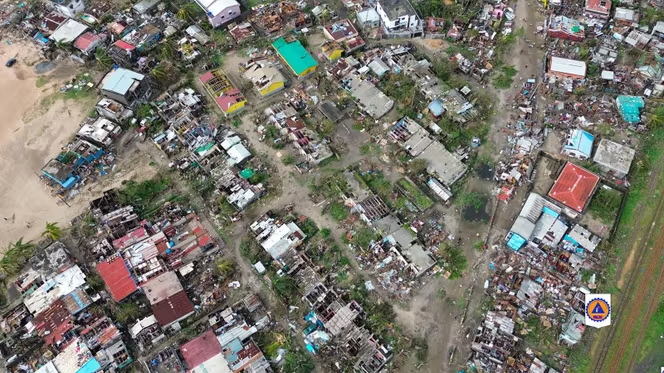
Gezani made landfall over Toamasina, Madagascar’s second-largest city, on Tuesday night. Winds toppled power poles and ripped off sheet-metal roofs. Local authorities reported house collapses among the causes of death. The national disaster agency counted thousands evacuated as electricity failed across large areas. The presidency said a large share of local infrastructure was damaged or destroyed.
Cyclone Gezani Madagascar: the evolving risk
By Wednesday, the system weakened over land but continued westward, bringing intense rain and a high flood risk, including around Antananarivo. Forecasts warn Gezani could re-enter the Mozambique Channel and regain strength later in the week. Residents in southern and western regions were urged to monitor alerts and avoid flooded routes.
Comparisons with historic storms
La Réunion’s forecasters warned of one of the most intense direct impacts on Toamasina in the satellite era, evoking the memory of Cyclone Geralda in February 1994, which killed at least 200 people and left hundreds of thousands homeless. Early images from Toamasina show long corridors of torn roofs and snapped palms along major avenues.
Humanitarian snapshot
The disaster follows Cyclone Fytia less than two weeks earlier, which added strain to already vulnerable communities. The United Nations has announced emergency funding as national teams and partners scale up support. Relief priorities include shelter, safe water, medical care and debris clearance to reopen roads.
What to watch next
Meteorological bulletins from the CMRS–La Réunion and Madagascar’s weather service will refine the track and intensity outlook. The BNGRC continues coordination with local authorities on search, assessments and assistance. If Gezani strengthens over the Mozambique Channel, coastal areas in the southwest could face renewed wind and flood hazards late week.
The picture so far is stark: Toamasina has suffered a direct hit, the national toll has passed 20, and flood alerts remain in effect as Gezani traverses the island. Rapid damage assessments, safe shelter, and clear evacuation guidance will shape the immediate recovery while the storm’s next move is tracked over open water.