

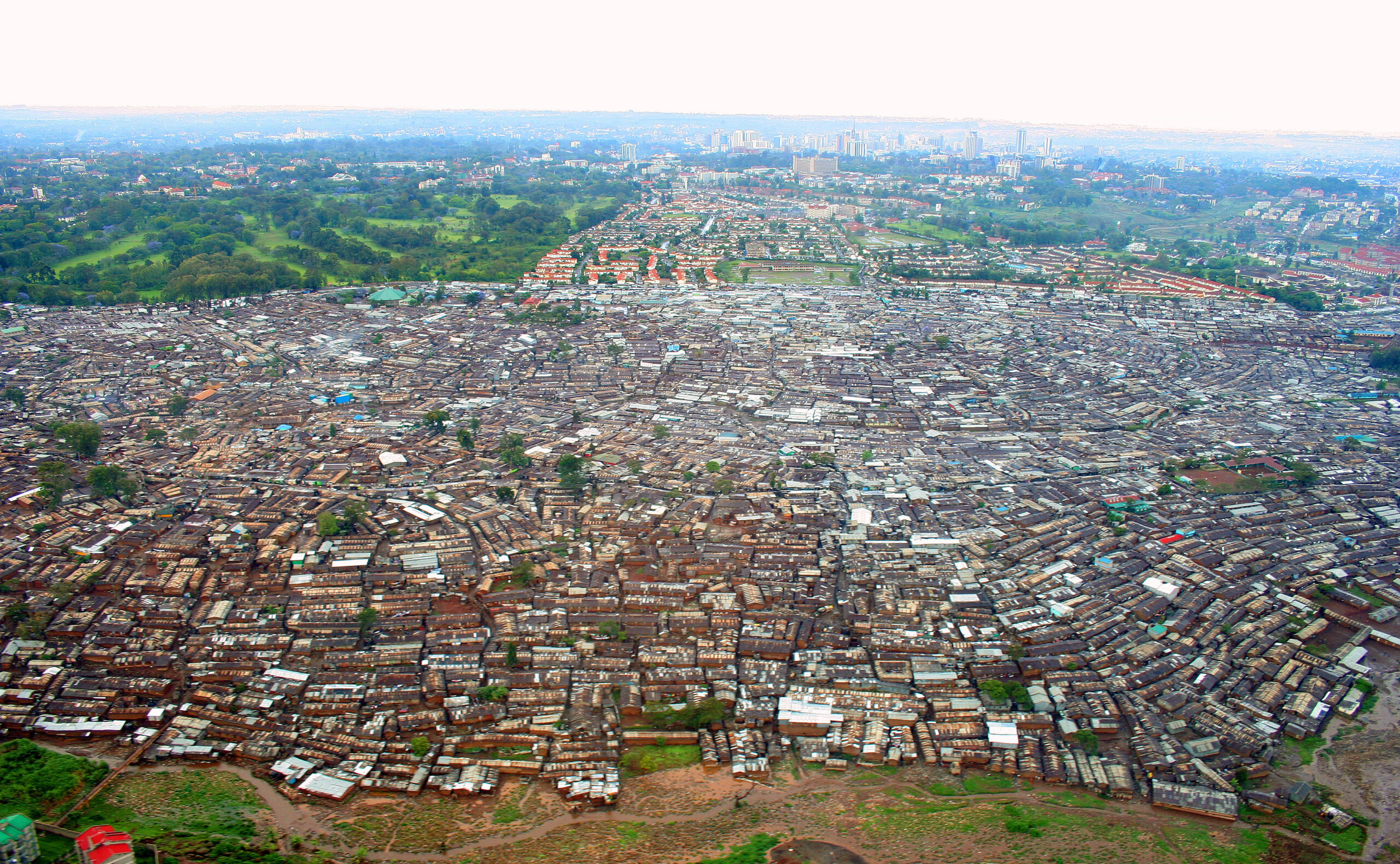
Nairobi, 9 January 2026 — A recent analysis of economic wellbeing across Kenya’s counties highlights stark regional disparities, showing that the **average Nairobi resident’s economic welfare is roughly ten times that of a person living in Wajir County, one of the country’s most underdeveloped areas.
The gap in prosperity reflects a long-standing imbalance in access to employment, infrastructure, and economic opportunities between Kenya’s capital and the predominantly arid and rural northeastern counties.
Economic Opportunity and Job Access Drive Disparity
According to the report, one of the main reasons for the vast difference in wellbeing is access to diverse job opportunities. Nairobi’s role as Kenya’s economic hub — with a concentration of formal employment, corporate headquarters, service industries, and financial institutions — provides residents with much wider avenues for income generation than those available in Wajir, where livelihoods remain largely informal and public service jobs are limited.
Regional Inequality in Context
Experts say the disparity is consistent with broader patterns of subnational inequality documented in Kenya, where urban centres, especially Nairobi, register significantly higher per capita incomes and productivity than sparsely populated rural counties. Growth in per capita economic output has been strong in regions with established commerce and services, while northeastern counties such as Wajir exhibit slower improvement due in part to structural barriers to investment and employment.
Impact on Living Standards
The inequality translates into tangible differences in standards of living. Residents of Nairobi typically enjoy higher incomes, better access to quality healthcare, education, and infrastructure, compared with residents of poorer counties who often face limited access to essential services. Such disparities are compounded by broader socioeconomic challenges, including higher poverty rates and limited access to markets outside urban centres.
Policy Discussion and National Debate
The contrast between Nairobi and counties like Wajir feeds into ongoing discussions on how to reduce inequality in Kenya. Analysts and policymakers have pointed out that addressing these gaps requires targeted investment in infrastructure, education, healthcare, and job creation outside major cities, alongside broader economic reforms. Without such measures, disparities in wellbeing are likely to persist and could constrain inclusive national development.
Sources:
- Average Nairobian 10 times more well off than Wajir resident, Nation Africa (9 Jan. 2026)
- Analysis of economic disparity patterns by McKinsey Global Institute and other regional data
- Gross County Product and county economic context data (Wajir and Nairobi)
- Broader inequality research context on Kenya