
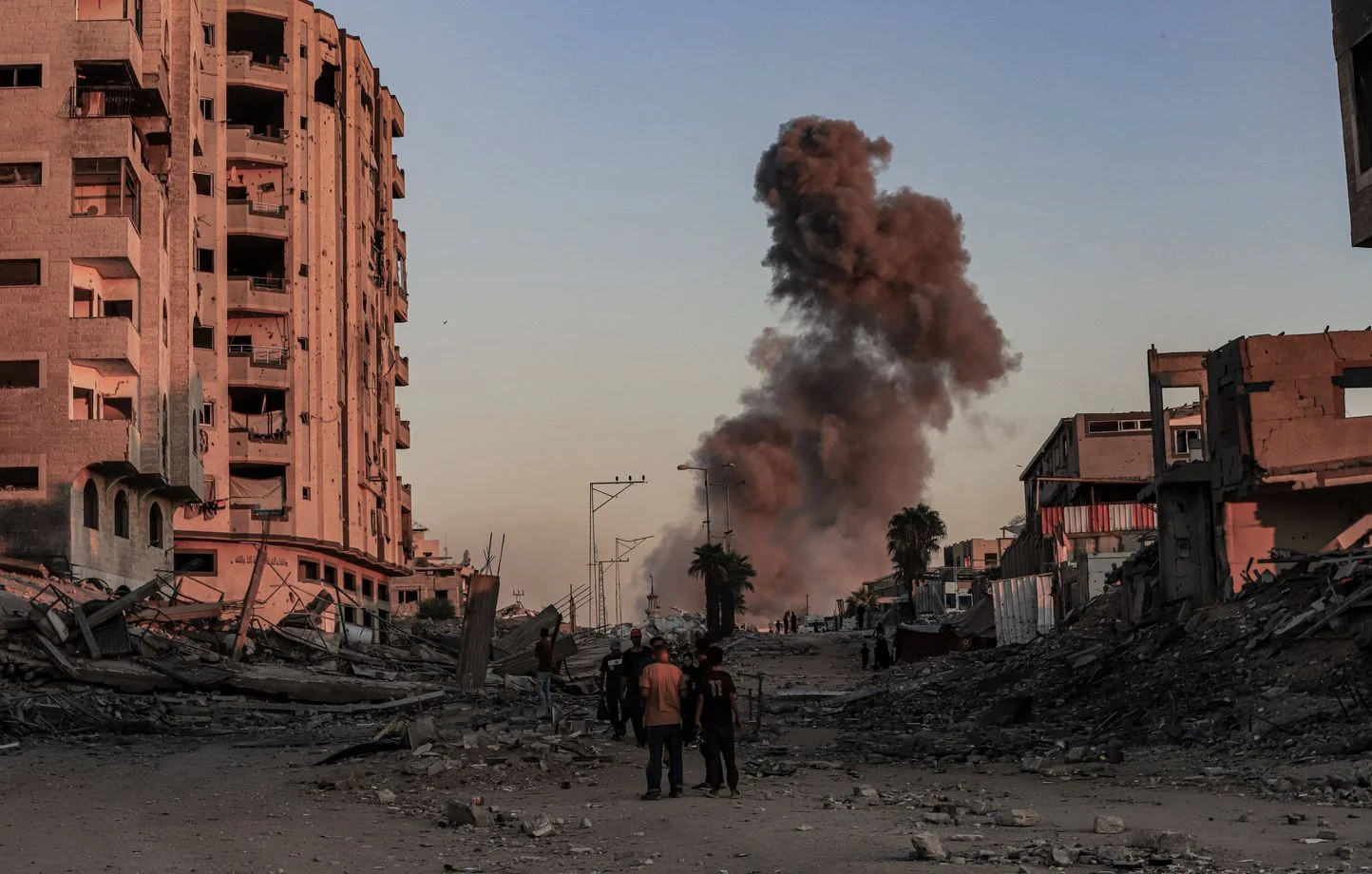
Gaza Strip — 9 January 2026 — Israeli military strikes across the Gaza Strip on Thursday killed at least 13 people, including five children, according to Gaza’s civil defence agency. The casualties came amid continued tensions despite an existing ceasefire that has largely frozen full-scale hostilities.
The civil defence agency, which operates under Hamas governance in the Palestinian territory, reported that multiple strikes hit different areas of Gaza throughout the day. Four people, three of them children, were killed when a drone struck a tent sheltering displaced people in southern Gaza near Khan Yunis, spokesman Mahmud Bassal told AFP. In northern Gaza, an 11-year-old girl died near the Jabalia refugee camp, and at least one person was killed in a strike on a school, the agency said. Additional deaths were reported in other parts of the enclave.
Later on Thursday evening, a separate Israeli airstrike on a house in eastern Gaza City killed four more civilians, Bassal said, and rescue teams were searching for additional victims. Officials said the death toll had risen to 13 by the end of the day.
Military Response and Ceasefire Context
In a statement on Friday, the Israeli military asserted that its strikes were aimed at “precisely struck Hamas terrorists and terror infrastructure” across northern and southern Gaza. The military described the operations as a response to a “failed projectile” launched from the Gaza Strip that violated the ceasefire agreement.
The current ceasefire, brokered by the United States, came into effect on 10 October 2025 and has significantly reduced major fighting between Israeli forces and Hamas militants. However, both sides have accused each other of violations, and sporadic exchanges of fire have continued.
Human Toll and Broader Dynamics
Health officials in Gaza reported that more than 400 Palestinians have been killed since the ceasefire began, a figure that reflects ongoing instability and periodic escalations. The fatalities include fighters and many civilians, particularly in densely populated areas where displaced families shelter from the conflict.
The strikes on Thursday drew renewed attention to the fragility of the ceasefire and raised concerns among humanitarian groups about the safety of civilians, especially children and displaced families living in crowded camps and temporary shelters.
Regional and International Reactions
International officials have repeatedly warned that without stronger mechanisms to enforce ceasefire terms, periodic flare-ups could undermine broader peace efforts. The United Nations, European Union and other diplomatic actors continue to monitor the situation and call for strengthened protections for non-combatants under international humanitarian law.
Sources:
AFP reporting via Standard Media (9 Jan. 2026)
AP News
France 24