
Kenya and its East African neighbours should reduce exports of raw materials and invest in value chains to narrow the region’s trade deficit with China and other foreign markets, business leaders said at a Nairobi forum on expanding the Kenya–Asia trade corridor.
Speakers said weak production links, limited market information, and fragmented regional planning leave East African economies selling cheap commodities while importing higher-value finished goods.
Kenya-China trade deficit drives calls for a new export strategy
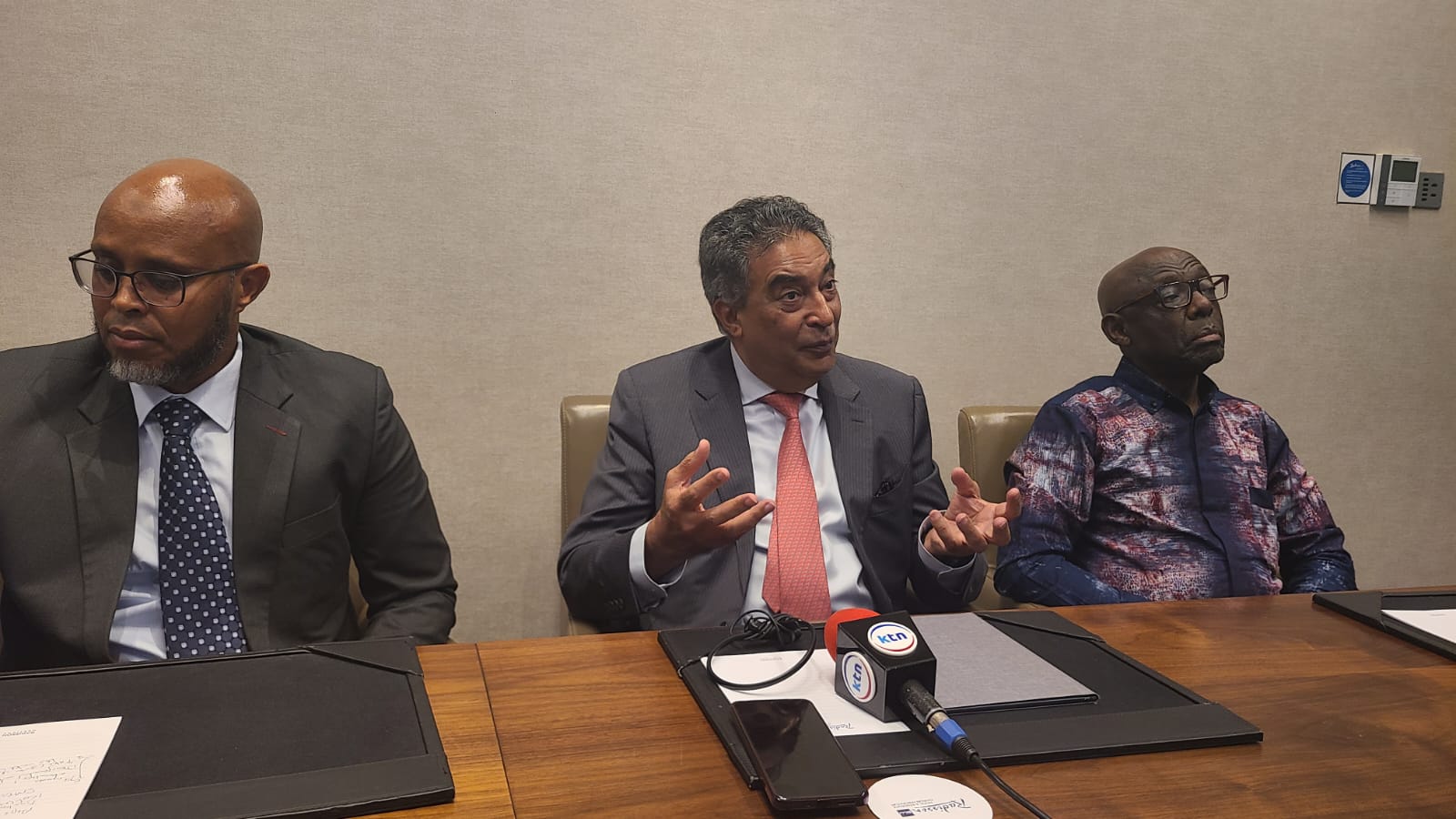
Kenya Private Sector Alliance (KEPSA) chair and East African Business Council (EABC) Kenya vice chair Jaswinder Bedi said East Africa needs a broader export basket and stronger processing capacity.
He said Kenya imports nearly $5 billion worth of goods from China each year while exporting about $100 million in return. He said that imbalance favours China and highlights the need to move from commodities to finished products.
Business leaders push regional value chains and shared standards
EABC Rwanda vice chair Denis Karera said Africa’s weak production organisation has left the continent exporting primary goods and buying back finished products at higher prices.
He said Hong Kong could serve as a gateway for East African firms seeking access to China’s market. However, he said the region must work together on production planning, standards, and supply chain organisation, especially in agriculture and light manufacturing.
Karera gave examples from outside East Africa to show how foreign firms can dominate value chains when local systems remain disorganised. He cited marble extraction in Egypt and timber in Central Africa, where companies export raw materials and later sell finished goods back into African markets.
He also referred to Liberia’s rubber industry, saying foreign ownership and export control can leave local consumers priced out of final products.
EABC backs no-border policy and integrated payments
EABC executive director Ahmed Farah said East African states should align production instead of competing on the same products. He said the council is pushing harmonised standards, integrated payment systems, and a no-border policy to reduce delays and non-tariff barriers.
Farah said intra-African trade remains around 15%, which business leaders described as low compared with other regions. He added that the East African Community could help build momentum for the African Continental Free Trade Area.
He said the region can develop competitive value chains in sectors such as livestock, avocados, milk, and hides by using each country’s strengths rather than duplicating efforts.
Hong Kong trade body offers links to buyers and investors
A representative of the Hong Kong Trade Development Council said the organisation is ready to connect East African businesses with Chinese buyers and investors. The official urged firms to build capacity, improve standards, and partner with credible companies to access opportunities in China’s market.