Zimbabwe’s Constitutional Crisis Is a Warning for the Whole Continent
In February 2026, Zimbabwe’s ruling party ZANU-PF did something that should alarm every young African who believes their vote matters: it gazetted Constitution Amendment Bill No. 3 (CAB3) — a sweeping proposal that would end direct presidential elections, extend political terms, and hand an unelected official control over the voters’ roll. This isn’t modernisation. This is a power grab dressed in bureaucratic language.
What the Bill Actually Does
Strip away the government’s polished framing about “reducing election-related toxicity” and here is what CAB3 actually proposes:
Read that again. Citizens lose their direct vote. The president gets picked by MPs. And the list of who can vote gets managed by someone the president himself appoints. This is not reform. This is the architecture of permanent rule.
Why ZANU-PF Wants Parliament to Choose the President
The numbers tell the story ZANU-PF won’t say out loud. The party’s presidential vote share collapsed from 61% in 2013 — Robert Mugabe’s final election — to barely scraping past 50% in subsequent contests. Yet the party kept winning parliamentary supermajorities.
The solution, from ZANU-PF’s perspective, is elegant and ruthless: stop asking citizens who they want as president, and let the parliament you already control make that decision instead. When elections become parliamentary arithmetic rather than public mandate, your grip on power becomes almost mathematically guaranteed.
Mnangagwa Told You Exactly What He Planned
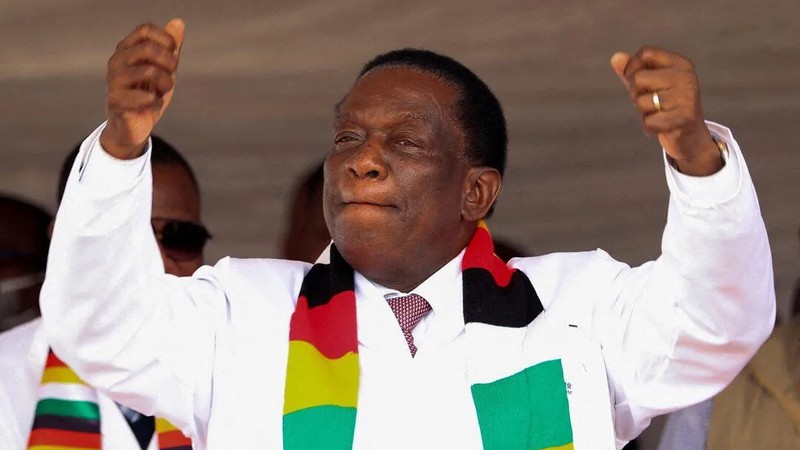
This didn’t come from nowhere. Over a series of public appearances, President Mnangagwa openly declared he would still be in office by 2030. His party turned that declaration into formal resolutions. Those resolutions became this bill. The process was transparent in the worst possible way — they told you what they were going to do, and then they did it.
The Resistance Is Real — And It’s Being Crushed
Zimbabweans are fighting back. Professor Lovemore Madhuku, constitutional lawyer and leader of the National Constitutional Assembly (NCA), has called CAB3 “totally unacceptable” and filed court applications challenging its procedural validity. Three major opposition platforms — the NCA, the Defend the Constitution Platform (DCP), and the CDF — are leading the charge.
Parliament received over 300,000 public submissions during the 90-day consultation period, with the majority opposing term extensions and the removal of direct elections. MPs from over 60 constituencies were served with court papers demanding a national referendum before Parliament proceeds.
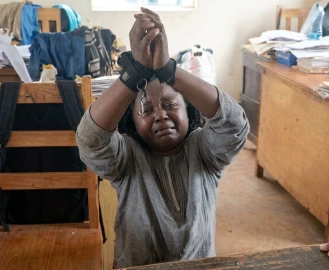
But the public hearings in late March 2026 descended into chaos. Activists opposing the bill were reportedly assaulted and arrested during the consultation period. Moderators were accused of unfairly collecting views. The government’s idea of “consultation” looked a lot like performance.
This Pattern Has a Name — And a Body Count
Zimbabwe is not writing a new story. It is repeating one. In Burundi in 2015, President Pierre Nkurunziza’s bid for a third term triggered a constitutional crisis and widespread violence. In Uganda in 2017, age limits were scrapped to keep Museveni in power. In Rwanda and Côte d’Ivoire, term-limit resets have been deployed as tools of indefinite rule.
The justification is always the same: stability. Development needs continuity. Elections create “toxicity.” The nation cannot afford disruption. What they never mention is who pays the price for that stability — and for how long.
What’s at Stake Is Bigger Than Zimbabwe
Zimbabwe’s 2013 Constitution was born from a popular referendum. It is the most democratically legitimate document in the country’s history. Amending it to serve one man’s political timeline doesn’t just betray Zimbabweans — it hands every future leader on the continent a template.
If CAB3 passes without a referendum, the courts become the last line of defence. The outcome will answer a question that matters far beyond Harare: can a constitution restrain power, or can it simply be amended away by the people who hold it?
The bill still requires a two-thirds majority in both the National Assembly and Senate to become law. That battle is coming. And for young Africans who believe democracy is worth fighting for — this is exactly the kind of fight that defines whether it survives.