History Is Repeating Itself — And FIFA Knows It
Forty-four years ago, Algeria was robbed in broad daylight at a World Cup. This week, it could happen again — and this time, the rules make it easier than ever.
The 2026 FIFA World Cup’s expanded 48-team format has cracked open a door that football’s governing body spent decades trying to shut: the possibility of teams colluding to play out a mutually beneficial draw that sends both through at the expense of a third nation.
The Ghost of Gijón Is Back
In 1982, West Germany beat Austria 1-0 in a game that became known as “the Disgrace of Gijón” — a result so perfectly convenient for both teams that it eliminated Algeria on goal difference. The match was played with zero urgency, zero competition, and maximum suspicion.
The global backlash was immediate. FIFA responded by mandating that final group games be played simultaneously — a rule designed specifically to prevent that kind of backroom football diplomacy.
But now? That protection has a hole in it. A massive one.
What Changed — And Why It Matters to You
The 2026 format doesn’t just expand the tournament. It resurrects a mechanic not seen since 1994: the best third-placed teams advance to the knockout rounds. That single change transforms the mathematics of group stage survival — and the incentives for collusion.
Teams no longer need to win. They don’t even need to try. A comfortable, mutually agreed draw can be enough to send two sides through while a third nation — one that played honestly — goes home.
FIFA also quietly changed the tiebreaker rules for this tournament. Head-to-head records now trump goal difference when teams are level on points. The result? For many nations, the final group game is already a dead rubber before a ball is kicked.
The Stakes Are Real — Ask Algeria
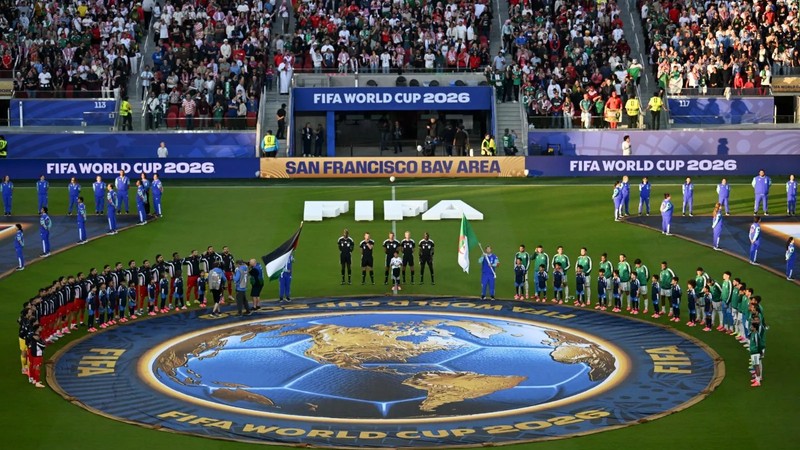
Algeria faces Austria in one of those loaded final-round fixtures. The symbolism is brutal. This is the exact nation that was cheated in 1982. The exact wound that forced FIFA to act in the first place.
If Algeria gets burned again — by a system FIFA designed and approved — no press conference spin will be able to clean that up.
Who’s Already Through, Who’s Already Out
The picture going into the final group games tells its own story about competitive imbalance:
For these nations, the final game is theatre. For everyone else caught in the grey zone of third-place qualification, the temptation to engineer a safe result is not hypothetical — it is rational.
FIFA’s Real Agenda: Money Over Integrity
Don’t be fooled into thinking this format exists to grow football. It exists to grow revenue.
The largest World Cup in history is still missing two of the planet’s biggest commercial markets — China and India. Four-time champions Italy failed to qualify for a third consecutive tournament. The expanded format was supposed to democratise football. Instead, it has created structural loopholes that punish competitive play.
Insiders are already floating the idea of a 64-team World Cup — which would conveniently restore the clean top-two-from-four-groups format. FIFA’s resistance to that proposal is softening. Why? Because a bigger tournament means bigger broadcast deals, bigger sponsorships, and bigger paydays. Sporting integrity is a secondary consideration at best.
The Bright Spots Don’t Excuse the Broken System
Yes, this World Cup has delivered genuine magic. Cape Verde — a small island nation — can still qualify after drawing with both Spain and Uruguay. Curacao earned their first ever World Cup point against Ecuador. Scotland’s kilted Tartan Army drank Boston dry and won hearts doing it.
These stories matter. But they don’t fix a format that structurally rewards tactical dishonesty.
The Verdict
The group stage is limping toward its conclusion. If even one final-round game ends in a suspiciously convenient draw that eliminates a team that played fair, FIFA will have no one to blame but itself.
Algeria waited 44 years for justice. The world is watching to see whether 2026 delivers redemption — or a second betrayal dressed up in tournament branding and corporate goodwill.