A Seven-Day Ultimatum the Government Cannot Afford to Ignore
Kenyans walked to work for two straight days. Four people died. Over 700 were arrested. And after all that, the government cut diesel prices by just 10 shillings. Transport operators called it insulting — and they were right to.
The nationwide transport strike that paralysed Nairobi and other major cities has been suspended until next Tuesday, following emergency talks between transport sector leaders and government officials. But make no mistake — this is a pause, not a peace deal.
What Actually Happened
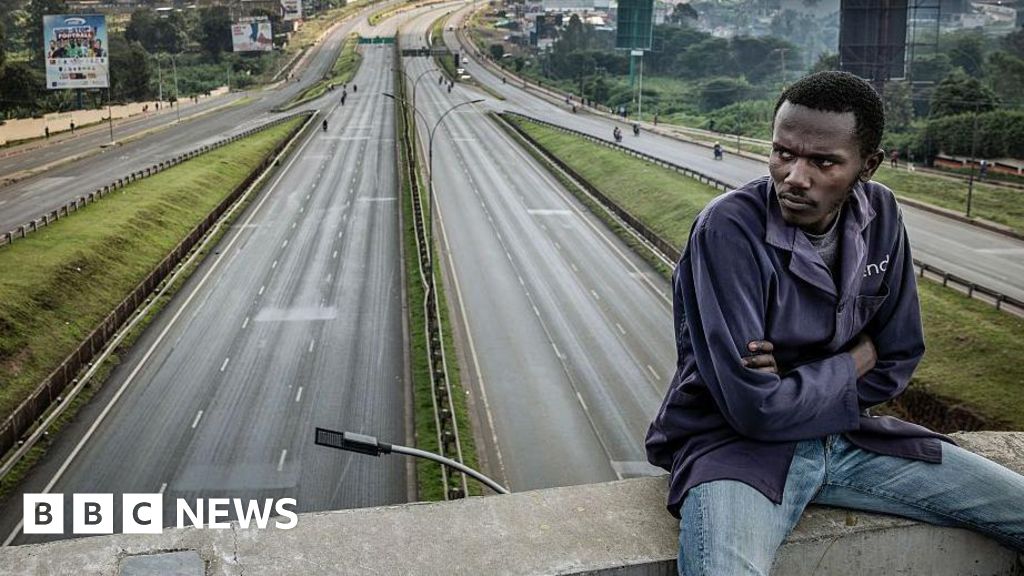
The strike, driven by fury over skyrocketing fuel prices, brought Kenya’s capital to a standstill for two consecutive days. Major roads in Nairobi were deserted, businesses shuttered, schools closed. Thousands of ordinary Kenyans — the same people already crushed by the cost of living — were forced to walk kilometres to reach their destinations.
On Monday, protests turned deadly. At least four people were killed and 30 injured, with police making over 700 arrests across the country. Rights group Vocal Africa condemned what it called “the use of lethal force by law enforcement.” The Kenya National Commission on Human Rights demanded immediate investigations and urged police to exercise restraint.
The Directorate of Criminal Investigations confirmed that investigations into Monday’s demonstrations were ongoing, with many suspects already arraigned in court.
A 10-Shilling Cut That Satisfied Nobody
Here is what the government offered: a 10-shilling reduction on diesel, bringing it down from a record high of 242 shillings ($1.80) per litre. Petrol stayed locked at 214 shillings. Energy Minister Opiyo Wandayi announced the deal as progress.
Transport operators called it nowhere near enough. They are demanding a cut of up to 46 shillings — a return to prices last seen before the US-Israel war with Iran erupted on 28 February, a conflict that disrupted fuel supplies from the Gulf that Kenya, like much of Africa, depends on.
The Strait of Hormuz — through which one-fifth of the world’s oil supply passes — remains blocked despite a declared ceasefire, keeping global prices elevated. That geopolitical reality is now squarely Kenya’s problem.
The Ultimatum Is Real
Edwin Mukabane, national chairman of the Federation of Public Transport Sector, was blunt when announcing the suspension: “We have had a breakthrough not because we are satisfied, but we want to give negotiations a chance.”
“If this is not taken seriously within the seven days, the strike will be back on,” he added. That is not a threat to dismiss. Two days of paralysis already cost this economy dearly.
Interior Minister Kipchumba Murkomen confirmed that negotiations “at a higher level” would be conducted within the next week. What that means in practice remains to be seen.
The Government Has Been Here Before
Last month, the government slashed VAT on fuel from 16% to 8% until July — a move that bought temporary goodwill but failed to address the structural pressure on fuel costs. With global supply chains still disrupted and the shilling under pressure, the arithmetic simply does not work in ordinary Kenyans’ favour.
By Tuesday, some normalcy had returned to the coastal city of Mombasa, with public transport partially resuming. In Nairobi, police continued patrolling key routes as a small number of matatus and buses cautiously returned to service.
Seven Days. Then What?
The government has one week to deliver something meaningful. Transport operators have shown they can shut this country down. Young Kenyans — already navigating unemployment, inflation, and a political class that consistently prioritises its own comfort — watched this week’s events closely.
The fuel crisis is not just an economic story. It is a story about who bears the cost of broken systems. And right now, as always, it is the same people doing the walking.