A Deadly Virus Is Spreading. Your Government’s Response Could Determine Whether It Reaches You.
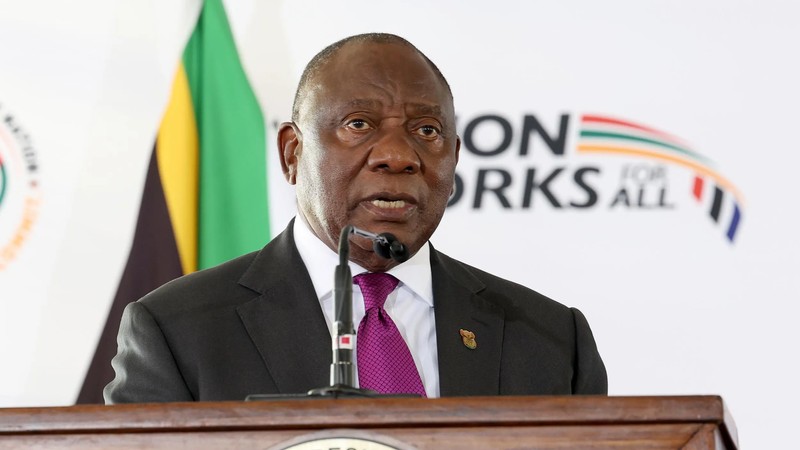
Fifty-five people are already dead in the Democratic Republic of the Congo. Ebola has been confirmed in Uganda’s capital, Kampala. And African Union Champion on Pandemic Prevention Cyril Ramaphosa is sounding the alarm with words that should stop every young African in their tracks: “Ebola does not respect borders.”
What Is Actually Happening Right Now
This is not a distant health scare. The current outbreak involves the Bundibugyo strain of Ebola — a particularly lethal variant with a case fatality rate of 25 to 40 percent. It has hit Ituri Province in the DRC and has already crossed into Uganda.
Doctors Without Borders (MSF) received alerts on the weekend of 9–10 May about a surge in deaths from suspected viral haemorrhagic fever northwest of Bunia, Ituri’s capital. When their team investigated, the count was brutal: 55 deaths since the beginning of April. MSF has now begun rapidly scaling up its medical response.
This is DRC’s seventeenth Ebola outbreak since the virus was first identified in 1976. The Bundibugyo strain has only appeared twice before — Uganda in 2007–2008 and DRC in 2012. This is the third time. It is not getting rarer.
Why Kenya — and Every African Nation — Cannot Ignore This
Ramaphosa did not mince words. In a region defined by high population mobility, insecurity, and humanitarian movement, the risk of regional spread is not theoretical. It is urgent.
Ebola spreads through direct contact with blood, bodily fluids, and organs of infected individuals. In areas with weak health infrastructure, overcrowded displacement camps, and porous borders, containment is not automatic. It requires political will, resources, and speed — all things African governments have historically struggled to deliver consistently.
The DRC and Uganda declared their outbreaks quickly. That transparency matters. But declaration is only the first step.
What Ramaphosa Is Demanding — And Who Needs to Deliver
Speaking in his AU role, Ramaphosa issued a direct call to action. He is demanding:
He also called out the elephant in the room: declining international aid. As Official Development Assistance shrinks globally, Africa cannot afford to outsource its health security. Ramaphosa is pushing for increased domestic financing for national public health institutes, emergency operations centres, and trained health workforces.
The Institutions That Are Supposed to Protect You
Africa CDC, under Director General Dr Jean Kaseya, has moved quickly — coordinating regional response and mobilising partners around a unified continental strategy. The model being used mirrors the one deployed during the mpox response, which had measurable success.
The World Health Organisation is also engaged. But institutional presence alone does not save lives. Funding, access, and community trust do.
The Uncomfortable Truth
Africa has dealt with Ebola before. It has the institutions and the experience. What has repeatedly failed is the political and financial follow-through between outbreaks — the investment in preparedness when there is no immediate crisis demanding attention.
Ramaphosa’s closing words carry weight precisely because they are also an indictment: “The peoples of the DRC, Uganda and the wider region must not face this threat alone.” The implication is clear — they have faced threats alone before.
This time, the demand is for urgency, unity, and collective action. Whether African governments — including Kenya’s — will deliver is the question every young, politically aware citizen should be asking loudly right now.