Brent crude oil surged past 109 dollars a barrel on Friday, rattling global markets and threatening a fresh wave of fuel price hikes that could squeeze South African consumers and hand US President Donald Trump a political headache just weeks before congressional elections on November 3. The benchmark jumped more than three percent in a single session, driven by escalating attacks on Gulf shipping lanes and renewed Ukrainian strikes on Russian oil refineries — two flashpoints that have traders spooked about the stability of global supply chains.
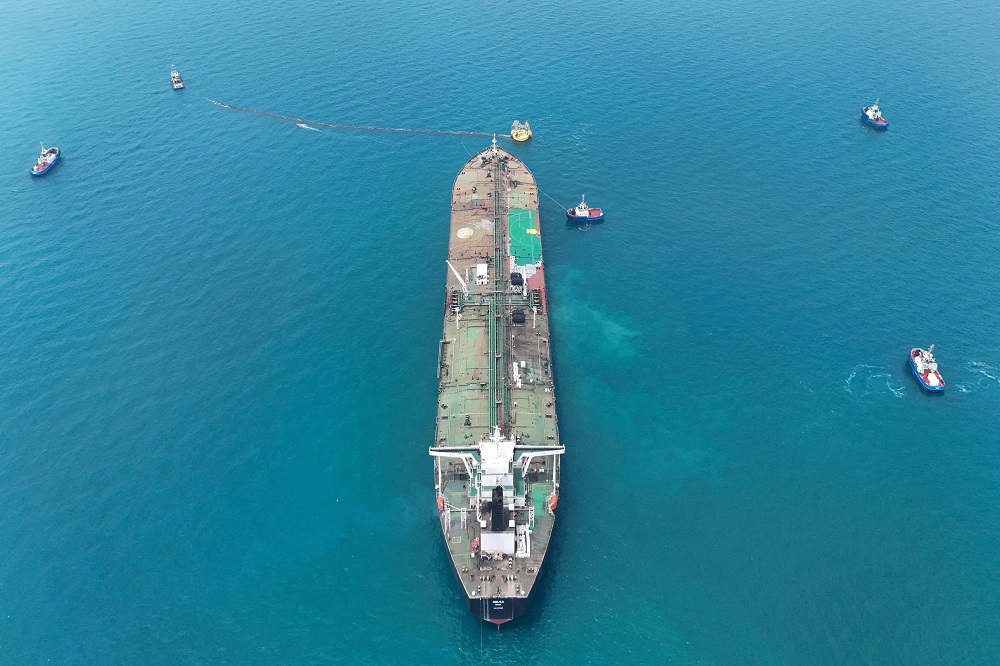
The immediate trigger is not abstract. Attacks around the Strait of Hormuz — the narrow chokepoint through which roughly a fifth of the world’s oil flows — combined with Ukrainian drone strikes targeting Russian refinery infrastructure have deepened fears about diesel and crude availability. When supply looks threatened, prices don’t wait for confirmation; they move on fear alone, and right now, fear is doing a lot of heavy lifting in the oil market.
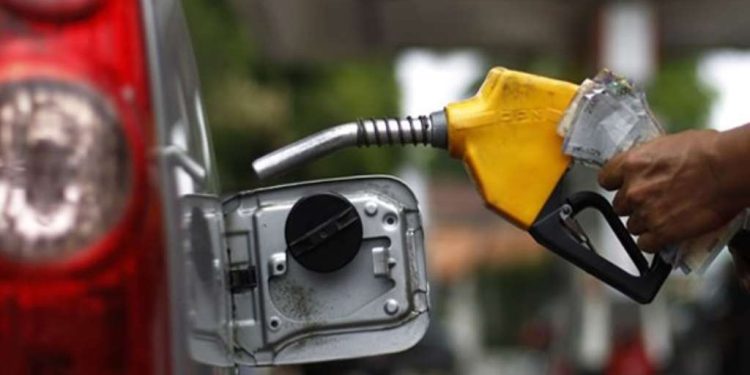
For South Africa, the consequences are direct and painful. Sustained price increases at this level would almost certainly push up petrol and diesel prices at the pump, though the rand’s exchange rate against the dollar remains a critical variable in the final adjustment. A weaker rand amplifies the damage; a stronger one softens it. Either way, higher transport costs don’t stay contained — they bleed into food prices, logistics costs, and the basic cost of getting through the month for ordinary people who are already stretched thin.
Trump’s Political Problem at the Pump
In the United States, the political stakes are just as sharp. Rising pump prices threaten to undermine Trump’s core affordability message heading into the congressional elections, with Republican candidates already navigating a cost-of-living narrative that Democrats are eager to weaponise. Voter frustration over fuel costs has historically translated into ballot-box consequences, and with elections less than a month away, neither side can afford to ignore what’s happening at the gas station. The crude market, in other words, has become a political actor — and it’s not playing favourites.