
The Home of Champions Is Claiming a New Title
For decades, Kenya’s tourism story has been told through the same narrow lens — the Maasai Mara at golden hour, the white-sand beaches of Mombasa, the flamingos at Lake Nakuru. It’s a beautiful story, but it’s incomplete. And the government knows it. That’s why, when Kenya secured the right to host the 2026 UN Tourism Week, officials didn’t pick Nairobi or the coast. They picked Eldoret — a bold, deliberate signal that the North Rift is no longer content to be Kenya’s best-kept secret.
The week-long event runs from September 21 to 27 at the University of Eldoret grounds, organized under the theme “Digital Agenda and Artificial Intelligence to Redesign Tourism.” That theme isn’t bureaucratic filler — it’s a declaration. Kenya is betting that the next frontier of tourism isn’t a new game reserve. It’s a smarter, tech-powered system that markets destinations better, serves visitors more efficiently, and cuts young entrepreneurs into the economy in ways the old model never did.
Tourism Principal Secretary Julius Bitok put it plainly: “We have lined up many interesting activities to not only see but to actively participate in. We invite everyone to visit Eldoret and the greater North Rift to sample the glory of the true home of champions.” The language is confident, almost defiant. This isn’t a government department hedging its bets — it’s one making a claim.
Why Eldoret, and Why Now
The choice of Eldoret is not accidental, and if you’re paying attention, it makes complete sense. The North Rift is the cradle of Kenya’s athletic dominance — a region that has produced more world-class distance runners than almost anywhere else on earth. But beyond the running tracks, it holds landscapes, cultures, and communities that have never been properly packaged for the global visitor. The UN Tourism Week is the packaging moment, and the government is using it to force a national conversation about what Kenyan tourism can look like when it stops centering the same tired postcards.
The event will draw together a deliberately wide coalition: national and county governments, tourism investors, technology companies, innovators, scholars, conservationists, and members of the public. This isn’t a closed-door conference for suits. The sessions are specifically designed to target micro, small and medium enterprises, tour operators, hoteliers, tour guides, young people, and community-based tourism enterprises. If you run a small guesthouse in Iten or lead hiking trips through the Cherangany Hills, this week was built with you in mind.
AI as the Great Equalizer
Here’s where it gets genuinely interesting for young Kenyans who have been watching the digital economy grow while wondering where their entry point is. The core of the UN Tourism Week is capacity building on the practical deployment of AI and digital tools in tourism — not theoretical lectures, but hands-on sessions covering destination marketing, content creation, customer engagement, business development, and market intelligence. These are skills that can transform a small operator’s reach overnight, and the organizers know it.
For years, Kenya’s tourism industry has been dominated by large, established players who could afford the marketing budgets and the international connections. AI changes that equation. A community guide in Eldoret with the right tools and training can now compete for visibility on global platforms in ways that were simply impossible five years ago. The organizers are framing this explicitly as a competitiveness play — helping tourism entrepreneurs and innovators strengthen their standing in an increasingly digital marketplace. That framing matters, because it positions young Kenyans not as beneficiaries of tourism, but as architects of it.
More Than Meetings — A Full Immersion
The week isn’t all panels and presentations. Organizers have built in road trips and a destination caravan to various attraction sites across the North Rift, giving participants direct, lived exposure to the region’s tourism products. Hot-air balloon rides, active sports, and cultural experiences are on the programme alongside Eldoret’s nightlife and entertainment scene — because selling a destination to the world requires experiencing it yourself first. These aren’t gimmicks; they’re part of a deliberate strategy to generate the kind of authentic content and genuine enthusiasm that no government press release can manufacture.
Exhibitions will run throughout the week, spotlighting tourism products, enterprises, innovations, and creative expression from the region. The exhibitions are designed to create real market linkages — direct connections between tourism businesses, technology companies, and innovators who might otherwise never find each other. Attracting international visitors is also firmly on the agenda, with stakeholders pushing experiential tourism anchored in sports, culture, and immersive community engagement as Kenya’s competitive edge against destinations that can only offer scenery.
The Bigger Picture Kenya Can’t Afford to Ignore
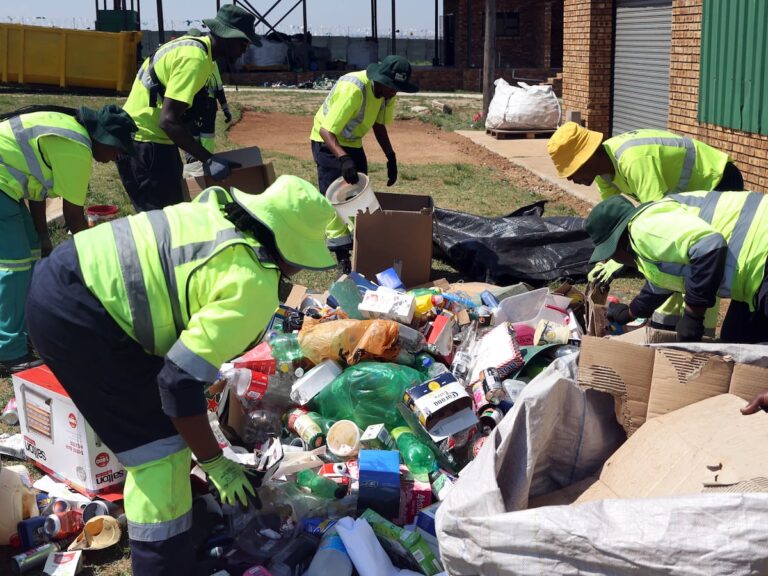
Woven into the programme are environmental conservation activities — tree-planting initiatives and clean-up exercises — that acknowledge the uncomfortable truth sitting beneath all tourism development: the environment is the product, and if you destroy it chasing visitor numbers, you’ve destroyed the business. This isn’t greenwashing. It’s a recognition that sustainable tourism isn’t a niche preference for Western eco-tourists; it’s the only model that survives long-term in a country whose natural assets are its primary draw.
The Eldoret event lands at a moment when Kenya is actively trying to rewrite its tourism identity — moving from a country with two or three iconic destinations to one with a genuinely diverse portfolio of experiences spread across every region. Technology is the tool that makes that diversification possible at scale. AI-powered marketing can surface a waterfall in West Pokot to a traveler in Berlin just as effectively as it can surface the Mara. The question is whether Kenya’s tourism ecosystem — especially its young entrepreneurs — will be equipped to use those tools. This week is the government’s answer to that question. Whether it’s the right answer will depend entirely on what happens after the balloons land and the exhibitions pack up.