A 17-Year-Old Went to Pick Up His School Uniform. His Mother Found Him in a Mortuary, Listed as Unidentified.
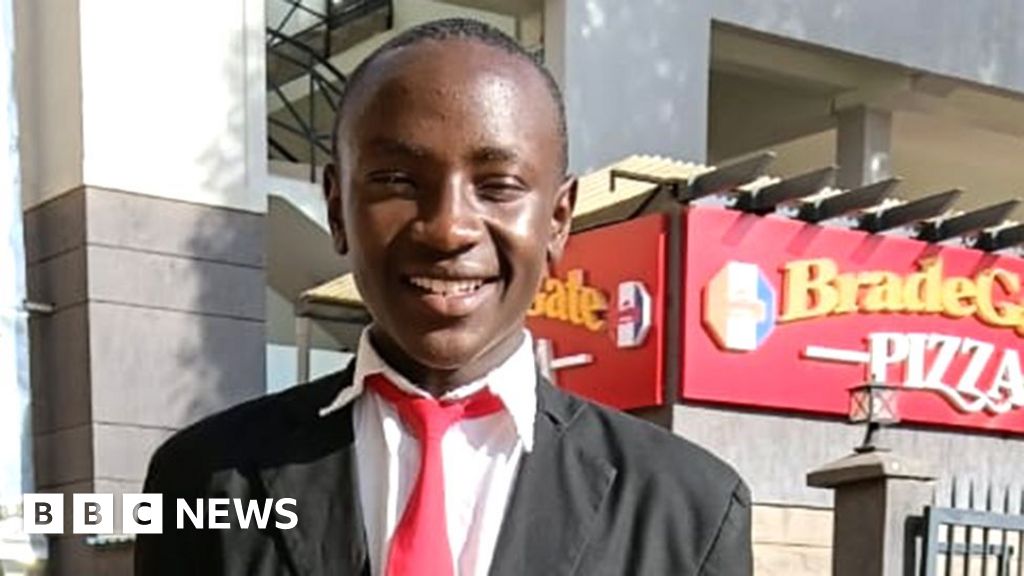
Nanyuki, Kenya — Lucy Kagure spent two days searching hospitals and police stations for her missing son. She found him in a mortuary, tagged as an unidentified male. His name was Sylvester Muigai Ndung’u. He was 17. And according to witnesses, police shot him in the head.
“When I found him, half of his head had been split open. His clothes were soaked in blood,” Kagure told the BBC.
Muigai is the third person killed amid protests against a controversial US-backed plan to build a 50-bed Ebola quarantine centre at Laikipia Air Base — a facility intended to house American citizens affected by the ongoing outbreak in the Democratic Republic of Congo.
He Wasn’t Even There to Protest
On Tuesday, Muigai left home to collect his school uniform from his aunt. He walked into a war zone.
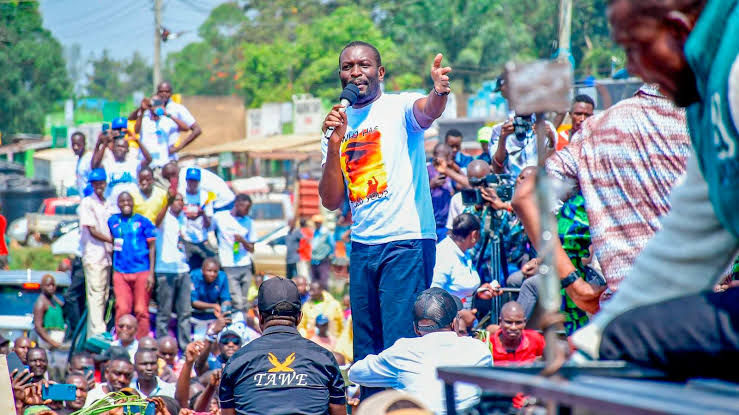
Demonstrators had planned a peaceful march to deliver a petition demanding the facility be relocated. Police blocked access to the site. Clashes erupted. Tear gas, water cannons, roadblocks, bonfires — and, witnesses say, live ammunition.
Muigai got caught in the middle of it and never came home.
Local police commander Daniel Kitavi told the BBC authorities are waiting for a post-mortem to confirm the cause of death. Family members say officers suggested he may have been killed by a tear-gas canister, not a bullet. Witnesses say otherwise.
A Mother Who Earned Ksh 300 a Day to Keep Her Son in School
Kagure raised Muigai alone. Three hundred Kenya shillings a day — that’s Ksh 300, roughly $2.30 — doing casual labour. She got him from nursery school to Form Three.
“I brought him up from nursery school to form three, and then they just killed him,” she said through tears.
His family described him as well-behaved, always helping around the house. A church leader said he dreamed of becoming a priest.
Now his mother has one demand: “I want justice for my boy.”
The Government Defends the Deal. The Courts Said Stop. Construction Continued Anyway.
This is the part that should make every Kenyan angry.
Last month, the High Court ordered construction of the facility halted after a rights group filed a case arguing it posed “grave and imminent risks” to public health. Satellite imagery obtained by the BBC shows construction has continued regardless.
A US official acknowledged the court case last week but said the administration was “optimistic we can resolve objections.” Translation: they’re not stopping.
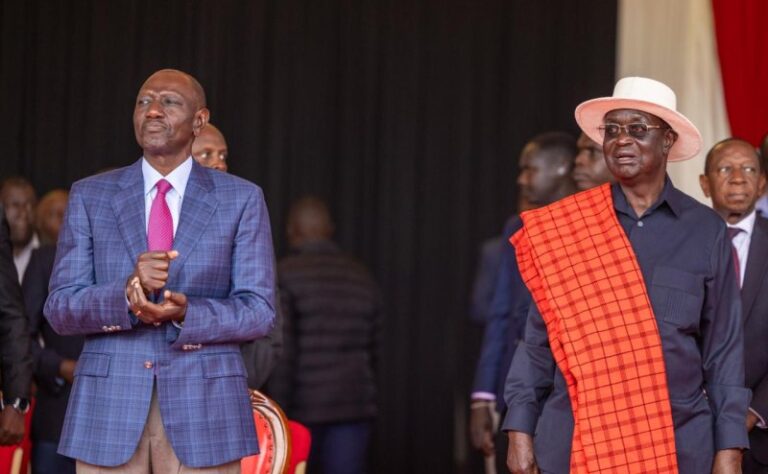
President William Ruto defended the plan, saying refusing the US request would be “inhuman.” He called on Kenyans not to “politicise” the Ebola issue and warned politicians against “reckless” talk.
But Kenyans aren’t politicising a health issue — they’re demanding transparency about a foreign military installation being built on their soil, over a court order, while their government tells them to calm down.
Police Accused of Excessive Force. No Response from Authorities.
The Kenya Human Rights Commission has formally accused police of using excessive force, live ammunition, and conducting arbitrary arrests during Tuesday’s demonstrations. The authorities have not responded to those allegations.
Three people are dead. A mother is grieving. And the facility that sparked all of this is still being built.
“The police used too much force,” Kagure said. “Are they not parents too?”
That question deserves an answer. So does hers about justice.