The Pump Is Political — And It’s Coming for Your Budget
Fuel prices are never just numbers on a board at the petrol station. They determine how much your matatu fare costs, how much a trader pays to move goods from Mombasa to Kisumu, and whether your boda boda guy can still afford to show up for work. Right now, those numbers are moving — and not all in the same direction.
What’s Happening With Fuel Prices
According to forecasts, diesel prices are set to drop significantly in the coming weeks, while petrol prices are expected to rise — though by a smaller margin. Two fuels, two different directions, and two very different groups of Kenyans who will feel the impact.
Diesel is the lifeblood of Kenya’s transport and logistics sector. Trucks, buses, generators, and farming equipment all run on it. A drop in diesel prices is real relief for the supply chain — and potentially for the cost of goods on your supermarket shelf.
But Don’t Celebrate Too Fast
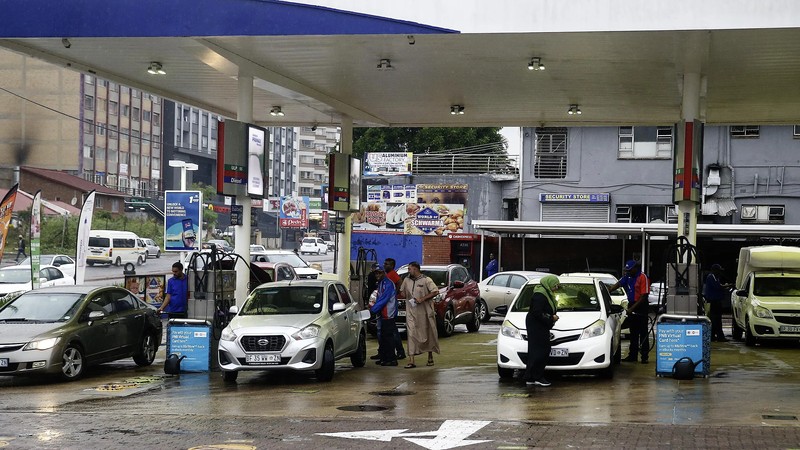
Petrol going up means personal vehicle owners and small-scale operators pay more every time they fill up. In a country where the cost of living has already squeezed middle-income earners into survival mode, even a marginal petrol increase stings.
The government has consistently framed fuel price changes as being driven by global crude oil markets and exchange rate fluctuations. That’s partially true. But Kenyans have watched taxes and levies quietly embedded in fuel pricing balloon over the years — money that funds roads you’re still waiting to be built.
What the Government Says You Should Do
Authorities are offering fuel-saving tips for motorists — advice like maintaining tyre pressure, avoiding aggressive acceleration, and reducing unnecessary trips. Useful? Marginally. A substitute for structural price relief? Absolutely not.
When the government’s answer to a cost-of-living crisis is “drive smoother,” you’re right to be skeptical.
The Bigger Picture
Fuel pricing in Kenya is a political act. Every adjustment made by the Energy and Petroleum Regulatory Authority (EPRA) reflects choices — about who bears the burden of global market volatility and who gets protected.
Young Kenyans, who are disproportionately reliant on public transport and gig economy work, have the most to lose when those choices go wrong. Watch the next EPRA announcement closely. The numbers will tell you exactly where you stand in the government’s priorities.