Kenya’s Rising Stars didn’t just lose in Dar es Salaam. They exposed something far uglier — a football system that eats its young and calls it development.
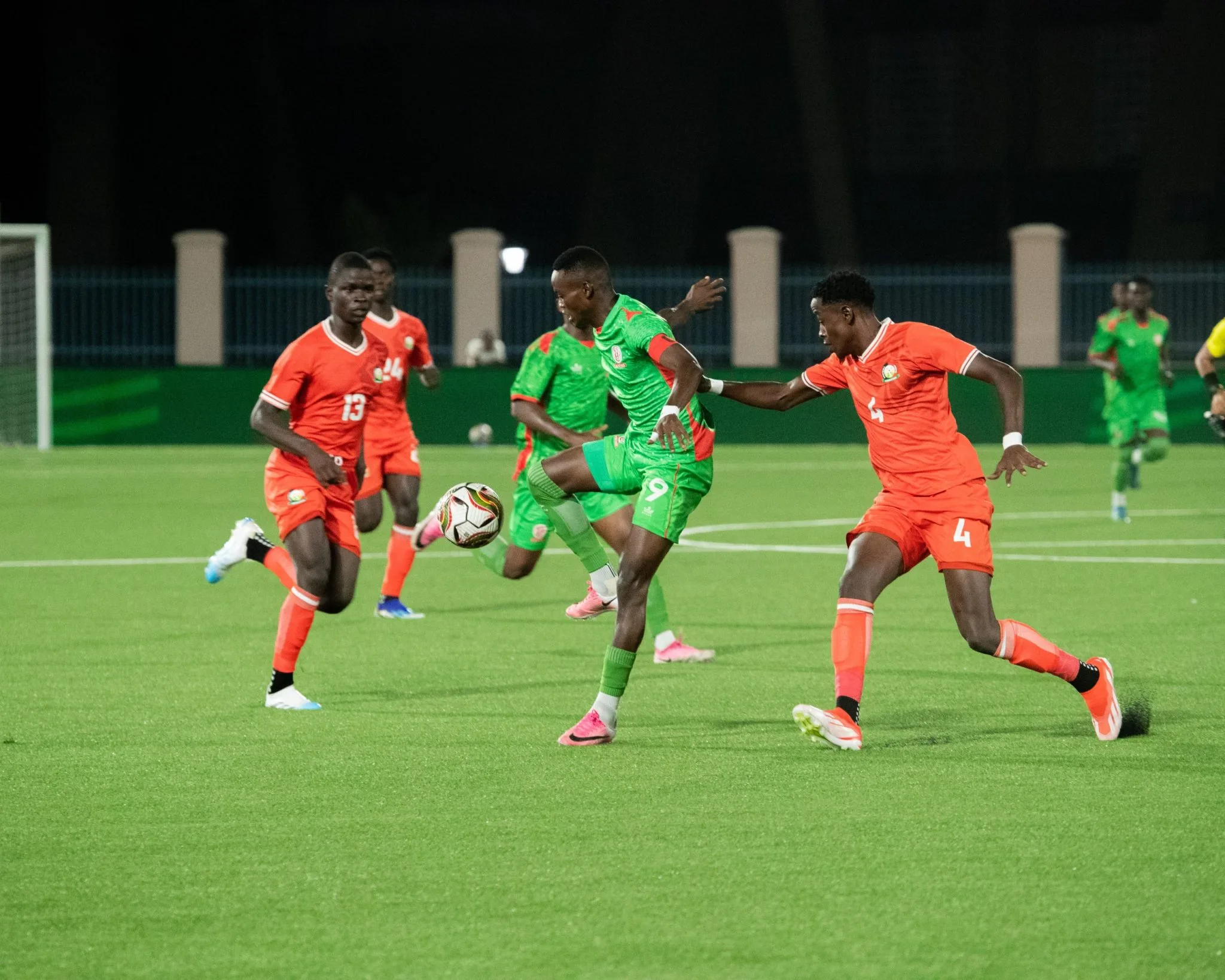
On Saturday, September 19, 2026, the national under-20 side drew 1-1 with South Sudan at Uhuru Stadium and went home. Just days earlier, they had lost 2-0 to Burundi. Two games. No knockout stage. No glory. The exit was quiet, almost polite — but the damage it reveals is loud and structural. This is not about one bad tournament. This is about a conveyor belt that was never built, a pipeline that never existed, and a football federation more consumed by courtroom drama than creating champions.
The System Failed Before the First Whistle
Coach Gilbert Selebwa was honest after the exit — refreshingly, painfully honest. He admitted that roughly 70 percent of the players who featured against South Sudan had never played at this level before. Nearly 90 percent of the squad that earned Kenya its historic first-ever Afcon U-20 slot last year were gone — aged out, unavailable, or simply not replaced by anyone ready. Think about that. One generation of players carries you to a milestone. The next generation has almost nobody left to carry the baton.
That is not bad luck. That is a structural collapse.
Selebwa put it plainly: Kenya needs a system where players move deliberately from the U-15 setup, through U-17, and into U-20 — with coaches actively scouting at the grassroots, not scrambling to assemble a squad weeks before a qualifier. “If we can develop a conveyor belt to enable players transition from under-15s to 17s to 20s, then have coaches going to the grassroots to identify them, then we can have a paradigm shift,” he said. He is right. But here is the uncomfortable truth: this is not a new idea. Kenyan football administrators have heard this argument for decades. Nothing has changed.
The Federation Is Too Busy Fighting Itself
The same day the Rising Stars crashed out, the 2026/27 Football Kenya Federation Premier League was postponed — again — because of ongoing court battles over how the previous season’s guidelines were applied. The top domestic league, the engine that should be producing and sharpening young talent, is paralysed. Clubs cannot plan. Young players cannot compete consistently. And somehow, we are surprised when the national youth team arrives at a regional qualifier underprepared and undercooked.
This is the real scandal. Not the 1-1 draw with South Sudan. Not even the 2-0 loss to Burundi. The scandal is that Kenyan football’s leadership has allowed legal chaos to suffocate the game at every level, from grassroots academies all the way up to the national team. When the federation is in court, nobody is in the field.
The contrast with last year’s U-20 side — the one that made history — makes this year’s failure sting even more. Those players did not emerge from a functioning system. They were exceptional despite the system. And when they aged out, there was nothing behind them. No pipeline. No depth. Just a gap.
What Has to Change — And Who Has to Force It
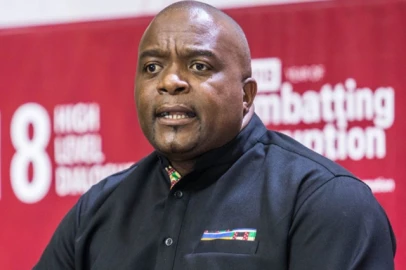
Selebwa says he will “impress upon the big shots taking care of Kenyan football” the need for structural reform. That is diplomatic language for begging people in power to care. Young Kenyans who love this game should not accept that framing. The “big shots” have had their chance. The evidence is right there in Dar es Salaam.
What this moment demands is accountability — from FKF leadership, from government sports officials, and from every stakeholder who has watched the youth development system decay while collecting allowances and attending meetings. Kenya’s U-17 women’s side remains the one bright spot in age-group football right now. That exception proves the rule: when there is genuine investment and structure, results follow. Everywhere else, there is chaos.
The Rising Stars’ exit from the Afcon U-20 qualifiers is not a football story. It is a governance story. And until Kenyans — especially young, football-loving Kenyans — demand better from the people running this game, the cycle will repeat itself. Different tournament. Same result. Same excuses.