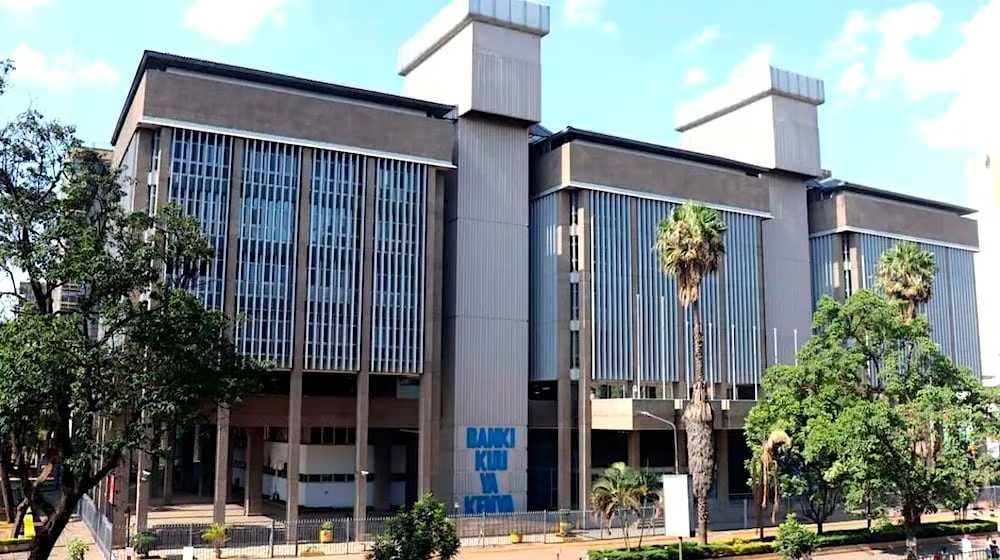
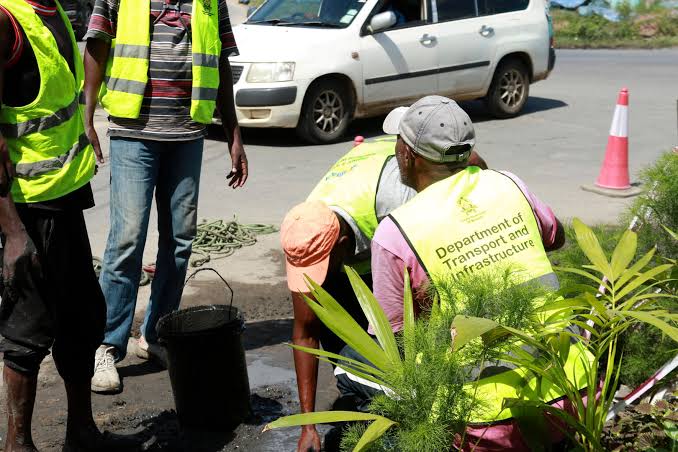
Hashim Modi stands ankle-deep in murky water, watching it surge through a narrow alley in Lamu Old Town. The rain has barely stopped. The sewers are already overflowing. And the worst is still coming. This is not a natural disaster in progress — this is a man-made failure on full display, and the people of Lamu are the ones paying for it.
The central thesis here is uncomfortable but undeniable: Lamu’s crumbling drainage infrastructure is not a weather problem — it is a governance problem, and El Niño is simply the deadline that nobody in power prepared for.
Let’s be clear about what residents are actually dealing with. The drainage channels running through this centuries-old town are choked with debris. Open sewers spill directly onto pedestrian pathways. After a single heavy downpour — not the catastrophic El Niño rainfall, just a regular afternoon storm — the streets become rivers of contaminated water. Residents are not navigating inconvenience. They are navigating a public health emergency every time it rains.
What makes this worse is the stakes attached to the place itself. Lamu Old Town is not just any Kenyan neighbourhood. Inscribed on UNESCO’s World Heritage List in 2001, it is the oldest and best-preserved Swahili settlement in East Africa — over 700 years of coral stone architecture, narrow streets, and layered African, Arab, and Indian cultural history. When floodwater eats into those foundations, it is not just someone’s home that suffers. It is an irreplaceable piece of who we are as a people.
And the threat is not hypothetical. Forecasters have already classified Lamu among Kenya’s high-risk counties ahead of the anticipated El Niño season. The entire Coast Region — Tana River, Kilifi, Lamu, Mombasa and Kwale — faces the prospect of flooding, storm surges, coastal erosion, and infrastructure damage. These are not vague warnings. They are specific, geographic, and urgent.
Yet what residents see around them tells a story of a county that was caught flat-footed. The drainage system that exists today was not built for the population pressures of 2024, let alone for the amplified rainfall cycles that climate scientists have been warning about for years. Neglect compounded neglect until the system reached the point where a single afternoon shower is enough to expose the rot beneath the streets — literally.
The implication of all this is straightforward and should make every young Kenyan paying attention angry: communities that carry genuine historical and cultural weight are being left to absorb the consequences of institutional failure. When the El Niño rains arrive in full force, it will not be county officials wading through sewage-laced floodwater. It will be Hashim Modi. It will be his neighbours. It will be families in a UNESCO World Heritage site that the government has decided, through its inaction, is not worth protecting.
Lamu does not need sympathy. It needs drainage infrastructure, emergency flood preparedness, and leaders who act before the crisis — not after the cameras arrive.