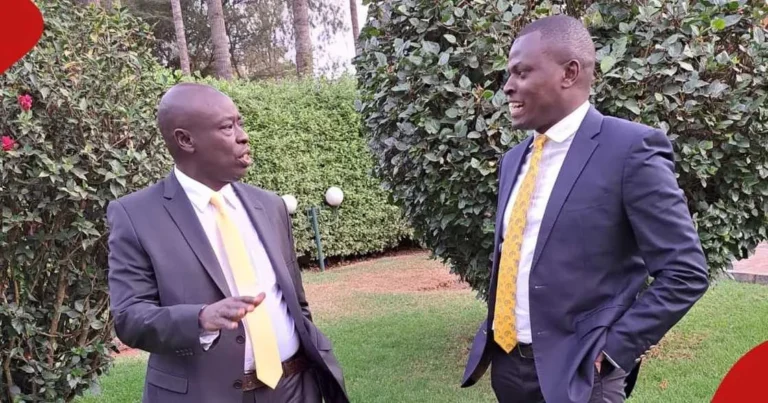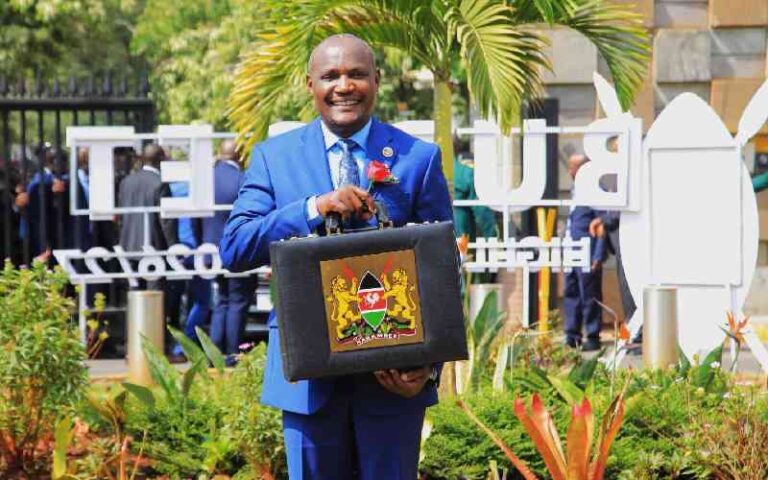
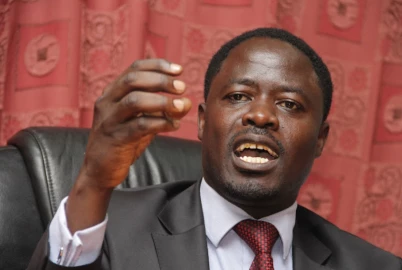
The National Cohesion and Integration Commission (NCIC) has summoned Homa Bay Town MP Peter Kaluma to appear before it and answer for remarks he made at a political gathering in Homa Bay County last week, in which he appeared to order supporters to “deal with” anyone opposed to President William Ruto’s re-election — and threatened to inspect hotels housing opposition visitors. The commission made clear that failure to appear would result in his arrest.
Kaluma’s words, delivered in his local dialect before a crowd gathered ahead of an opposition rally on Sunday, August 16, were unambiguous. “As of today, we are issuing the command that anyone that says one term deal with them. Anyone that has worked with the other side, even if they were a driver and they feel they cannot walk with us, must now disappear,” he said, as quoted directly by the NCIC. The phrase “one term” has become a rallying cry among Ruto’s critics who argue the president should not serve a second term — and Kaluma’s remarks were clearly aimed at silencing that chorus.
The MP did not stop there. According to the commission, he also declared: “We are going to inspect all hotels and houses where they had booked, anyone who owns a hotel in Homa Bay must tell us all the guests they have, we must deal with those people and we might deal with the hotel too. I have paid for the fuel you will use to move across Homa Bay and Rodi.” These are not the words of a lawmaker defending democratic space — they read like a mobilisation order, and the NCIC is treating them exactly that way.
Violence Erupted Before the Opposition Rally Even Began
The context around Kaluma’s remarks matters enormously. The Linda Mwananchi group, led by Edwin Sifuna, had organised a rally in Homa Bay County for Sunday, August 16. The night before, on Saturday, roads were blocked and private properties looted, with the violence spilling into Sunday and forcing the opposition group to seek alternative routes just to reach towns within the county. This was not spontaneous chaos — it unfolded in a county where a sitting MP had publicly funded and directed people to confront those on the “other side.”
The NCIC, in a statement released Sunday, condemned the violence in stark terms, describing events in Homa Bay as “unfortunate and worrying” and a direct threat to peace, security, and democratic participation. The commission reminded Kenyans — and their elected representatives — that political activities are legal anywhere in the country, but must be conducted without incitement, hate speech, or disorder. The commission also warned that rising political intolerance could push Kenya toward outright lawlessness, a warning that should alarm anyone who remembers what unchecked political violence has cost this country before.
Kaluma is now expected to appear before the NCIC to assist with its ongoing investigations. Whether he faces meaningful consequences will tell young Kenyans everything they need to know about whether the institutions meant to protect them from political intimidation actually have teeth — or whether powerful politicians can still point crowds at their enemies and walk away clean.