Two Presidents, One Table, and a Continent Watching
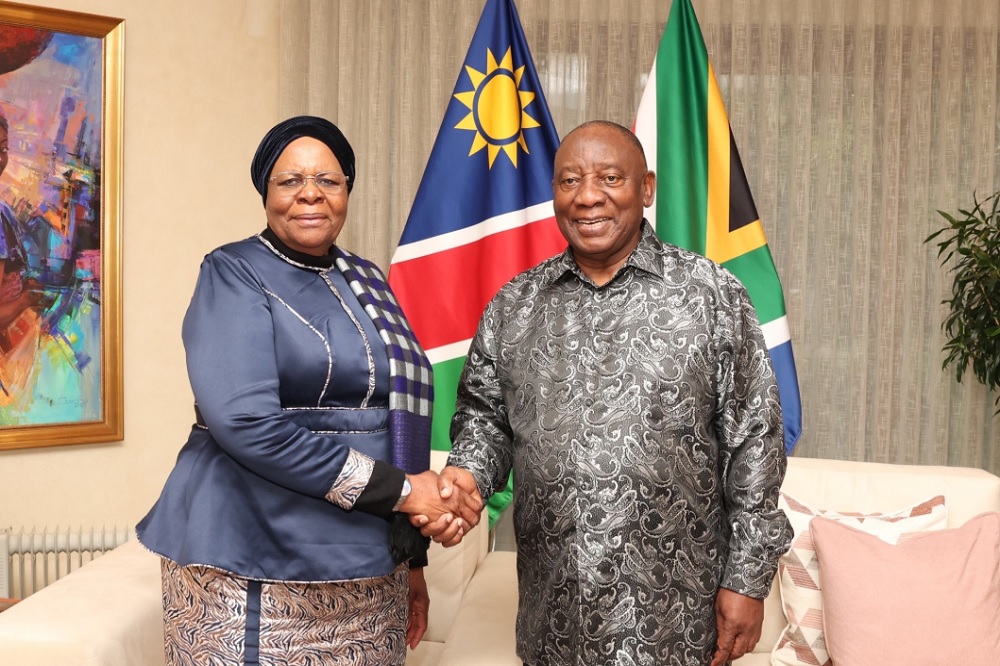
President Cyril Ramaphosa and Namibian President Netumbo Nandi-Ndaitwah are sitting down in Pretoria for the fourth South Africa-Namibia Bi-National Commission — and this meeting is bigger than a diplomatic photo opportunity. It signals where Southern Africa’s political and economic future is headed. If you care about African integration, regional stability, or just whether SADC can actually deliver for ordinary people, pay attention to what comes out of this room.
Why This Is Not Just Another Summit
Let’s be honest. African summits have a reputation — grand declarations, little follow-through, and ordinary citizens left wondering what changed. But the South Africa-Namibia BNC operates differently from the noise. These two countries share a border, a liberation history, and economic interdependencies that make their cooperation structurally necessary, not merely aspirational. South Africa is Namibia’s largest trading partner. Namibia’s port at Walvis Bay is a critical logistics artery for landlocked Southern African states. When these two governments align, the ripple effects move through the entire region.
The Integration Question
The phrase “political and economic integration of the African continent” gets thrown around in every communiqué from Addis Ababa to Johannesburg. Here, though, it means something specific. Both governments are positioning themselves as advocates for a faster, more decisive push toward African integration — at a moment when the African Continental Free Trade Area is still struggling to move beyond framework agreements into actual trade flows. South Africa and Namibia moving in lockstep on this agenda gives the integration project two credible, stable voices. That matters. Credibility is rare currency in continental politics right now.
Nandi-Ndaitwah’s Historic Weight
Do not reduce Nandi-Ndaitwah’s presence here to a footnote about gender milestones. She is Namibia’s first female president, yes — but she is also a seasoned political operator who spent decades in SWAPO leadership before reaching the presidency. Her co-chairing this commission is a statement of intent. Namibia is not a junior partner deferring to Pretoria. It is an equal, asserting its voice in shaping the region’s future. Young Africans watching this should recognise what that looks like: power earned, not gifted.
What Comes Next
The outcomes of this BNC will set the tone for South Africa-Namibia relations through the next political cycle. Watch for announcements on trade agreements, infrastructure cooperation, and joint positions on global governance — especially anything touching on the African Union’s reform agenda or SADC’s security architecture. The official statements will be polished and careful. Read between the lines. The real story is always in what both governments choose to prioritise together, and what they quietly leave off the table.