Here is something the financial headlines won’t tell you plainly: Kenya’s Central Bank just walked away from Sh31.2 billion — real money, sitting on the table — because the investors offering it wanted too much in return. That decision, made quietly in a government bond auction room, connects directly to missile strikes on Saudi oil pipelines and Houthi rebel attacks on Red Sea shipping lanes thousands of kilometres away. If you think this has nothing to do with you, think again.
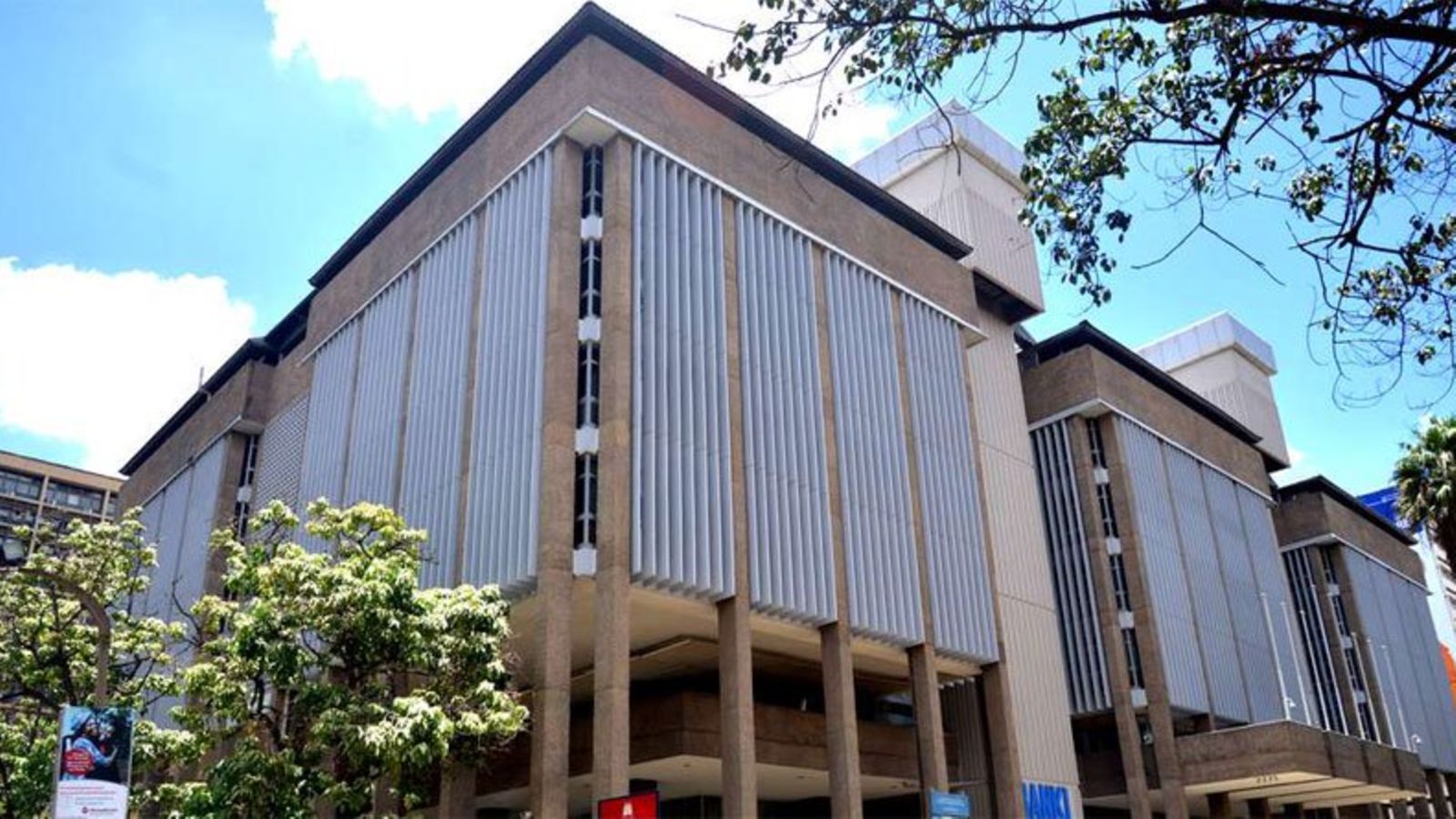
The Central Bank of Kenya (CBK) rejected Sh31.2 billion in investor offers during the second bond auction of September, refusing to meet the elevated returns that investors were demanding as the price of their participation. Those investors — the kind of institutional money managers and financial houses that move markets — were spooked, and they were pricing that fear directly into their bids, essentially telling the CBK: pay us more, or we walk. The CBK, to its credit, chose to walk first.
The fear driving those elevated demands traces a clear, brutal line back to the Middle East. Houthi rebels in Yemen launched coordinated attacks on Red Sea shipping routes and struck a critical oil pipeline inside Saudi Arabia — the world’s single largest oil producer and one of Kenya’s most significant fuel sources. When you disrupt the arteries through which Saudi crude flows to global markets, you do not just rattle traders on commodity exchanges in London and New York; you send a shockwave through every fuel-dependent economy on the planet, and Kenya sits squarely in that blast radius.
The logic is not complicated, even if the financial system works hard to make it feel that way. Disrupted oil supplies push global crude prices upward. Higher crude prices mean higher fuel costs at the pump in Nairobi, Mombasa, Kisumu. Higher fuel costs feed directly into the price of everything that moves — food, goods, services — and suddenly the inflation that Kenyans spent the better part of 2023 battling threatens to make an unwelcome return. Bond investors, who lend money over fixed periods and earn fixed returns, hate inflation with a passion, because rising prices erode the real value of every shilling they are owed. So they demanded a premium. A juicy discount on government paper. A hedge against the fire they could see building on the horizon.
The CBK’s refusal to accept those terms is a statement of intent, but it is also a high-stakes gamble. Rejecting Sh31.2 billion in offers means the government does not raise that money — money it needs to fund infrastructure, pay salaries, service existing debt, and keep the basic machinery of the state running. Every rejected auction is a financing gap that has to be filled somewhere else, somehow else, at some future cost. The government is essentially betting that it can hold the line on borrowing costs now, that the inflation scare will pass, and that investors will return with more reasonable demands at the next auction. That bet may be right. It may not be.
What makes this moment particularly sharp for young Kenyans is the layered nature of the vulnerability it exposes. This country does not produce enough oil to meet its own needs. It relies on imports that travel through the very shipping lanes now under attack. Its currency, already battered through much of the past two years, remains sensitive to global commodity shocks that drive up import bills and drain foreign exchange reserves. And its government, carrying a debt load that consumes a significant portion of every tax shilling collected, cannot afford to borrow at punishing rates for long without that cost eventually landing on ordinary citizens through reduced services or new levies.
The official narrative around events like this tends toward reassurance — the CBK acted prudently, the market will stabilise, there is no cause for alarm. Treat that reassurance with the skepticism it deserves. Prudence at the auction window is real and worth acknowledging, but it does not resolve the structural exposure that made this moment possible in the first place: an economy whose fiscal breathing room is narrow, whose energy independence is nonexistent, and whose connection to geopolitical tremors halfway around the world is direct and immediate. The Houthis fired missiles at a pipeline in Saudi Arabia, and Kenyan bond investors demanded higher returns the same week. That is not a coincidence. That is the world Kenya actually lives in, whether the official statements acknowledge it or not.
The question worth sitting with is not whether the CBK made the right call in this single auction — it probably did. The question is what happens if the Middle East conflict deepens, if oil prices climb further, if inflation pressure builds again, and if the government finds itself repeatedly unable to raise money at rates it can stomach. At that point, the choices narrow fast, and none of them are comfortable. For now, Sh31.2 billion sits uncollected, a Middle Eastern war shapes the cost of Kenyan borrowing, and the gap between the global financial system and the daily lives of ordinary Kenyans turns out to be no gap at all.