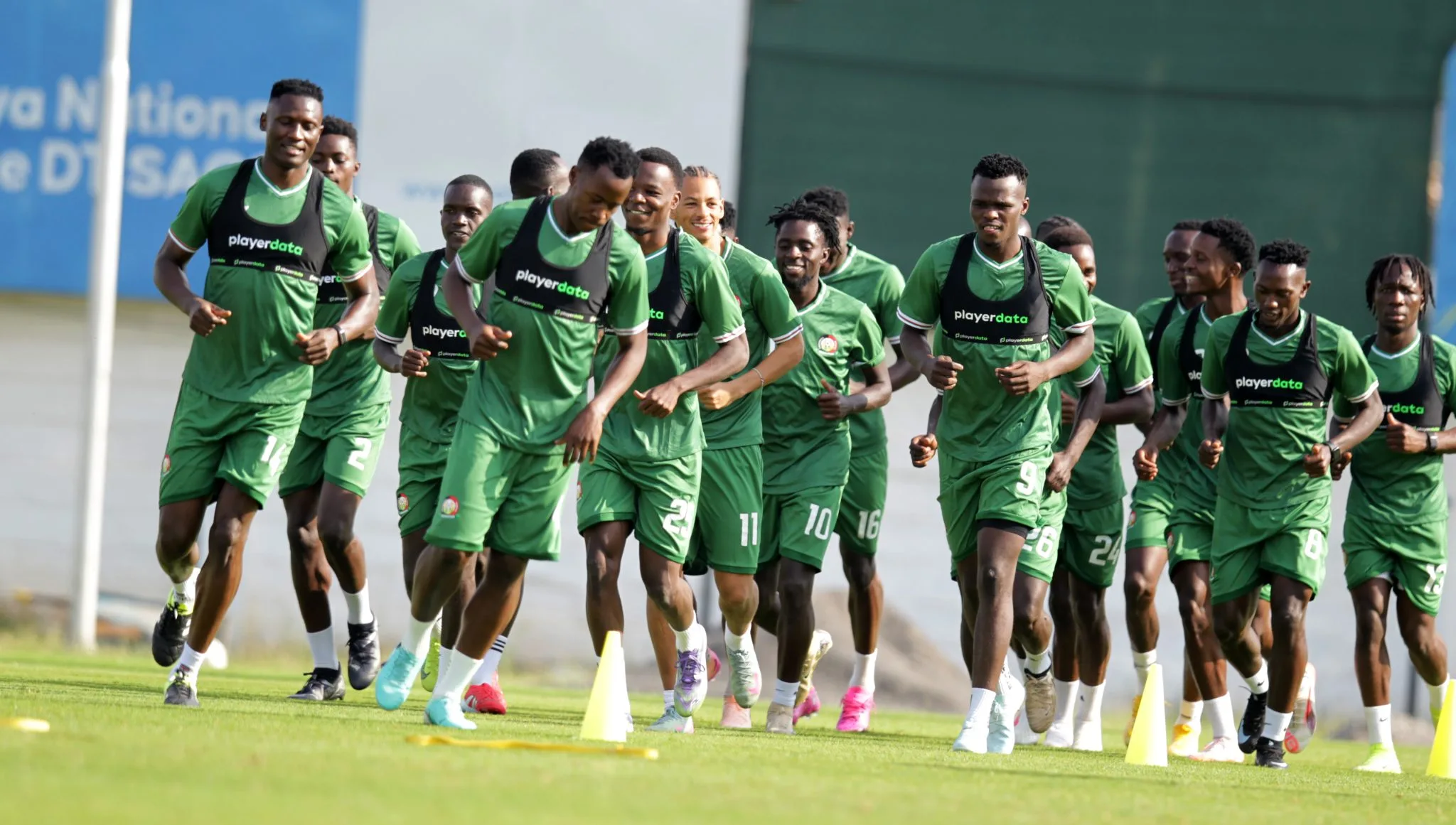
Let’s be honest about what is happening here. Harambee Stars players — men who carry the weight of an entire nation’s footballing pride on their backs — have been forced to take a stand over money they were already owed. Not new money. Not a bonus. Pay that was already theirs. And after days of protest, what they received was not even close to what they deserved. This is not a scheduling dispute or a bureaucratic hiccup. This is a systemic failure of the Football Kenya Federation, and it is playing out right before a critical Africa Cup of Nations qualifier.
Ryan Ogam, the Belgium-based striker, confirmed what many had suspected: players received partial payment, but the amounts fell far short of expectations. “It is not something we expected in terms of rates, but it is what it is,” Ogam said, with the kind of resigned acceptance that tells you everything about the power dynamics at play. These are professional footballers being told to be grateful for crumbs.
The Protest Was Real, and It Was Justified
For two full days, Harambee Stars players grounded their tools. They refused to train. In any other professional setting, this would be called a labour dispute. Here, it gets framed as an inconvenience ahead of a match. Head coach Benni McCarthy laid it out plainly — the players are owed allowances from four or five previous camps. That is not a small administrative backlog. That is months of accumulated debt owed to athletes who showed up and represented Kenya, trusting that the federation would hold up its end of the deal.
FKF acknowledged the arrears. They said authorities were “working overtime” to resolve the issue. And yet, when Thursday’s scheduled training session came around, the players did not show up. Because words without money are just words. The team only set foot on Nyayo Stadium on Friday morning — the day before their match against Eritrea — meaning they went into a competitive qualifier with almost no preparation time and unresolved financial grievances still hanging over them.
Eritrea Is No Pushover, and Kenya Walked In Underprepared
Here is the part that should make every Kenyan football fan furious. Eritrea, often dismissed as minnows, arrived in Nairobi with a recent record of five wins, one draw and three losses across their last nine matches. More damning still, the last time these two sides met — at the Cecafa Senior Challenge Cup in 2019 — Eritrea walked away with a 4-1 victory over Harambee Stars. That is not a footnote. That is a warning that went unheeded.
Kenya sent its players into that fixture distracted, underpaid and undertrained. If the result disappoints, the federation will look for excuses. But the conditions that led to this moment were entirely of FKF’s making.
The deeper truth here is uncomfortable but necessary to state: when a federation treats its players as an afterthought, it does not just hurt morale — it directly undermines national performance. Young Kenyans who dream of wearing the Harambee Stars jersey deserve to see a system that protects its players, not one that exploits their patriotism to avoid accountability. Until FKF is held to a higher standard — by fans, by government, by the players themselves — this cycle will repeat. The players did the right thing by pushing back. The question is whether anyone with actual power is listening.