A Promise That Hasn’t Reached Everyone
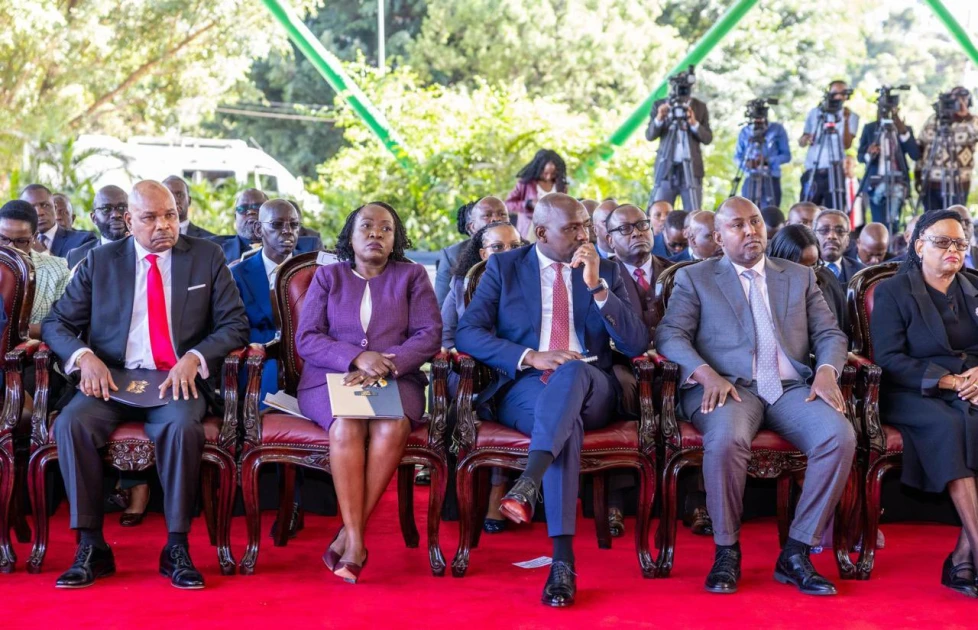
President Ruto stood at State House and made a vow to the nation: the government would compensate victims of state violence during the Gen Z protests. It sounded historic. It sounded like accountability. But three weeks later, not a single shilling has reached the survivors of torture or enforced disappearances — the very people who arguably suffered the most. That is not an administrative delay. That is a political choice, and Kenyans should name it as such.
The Kenya National Commission on Human Rights (KNCHR) built a compensation framework that explicitly included these survivors. Torture victims — 135 of them — were listed third in the eligible categories, each entitled to a minimum of Ksh 2 million plus medical expenses. Survivors of enforced disappearances, 35 people, were listed sixth, entitled to at least Ksh 1.5 million. The framework named them. The government endorsed it. And yet, as Ksh 674 million flows to over five hundred families, these categories remain conspicuously absent from the payment list.
Longton Jamil put it plainly: “Hakuna ata mmoja amepokea ata shillingi moja. Tunaona hii fidia ina fiche mingi sana.” No one has received even a single shilling. And the hidden layers of this compensation process are becoming impossible to ignore.
The Architecture of Delay
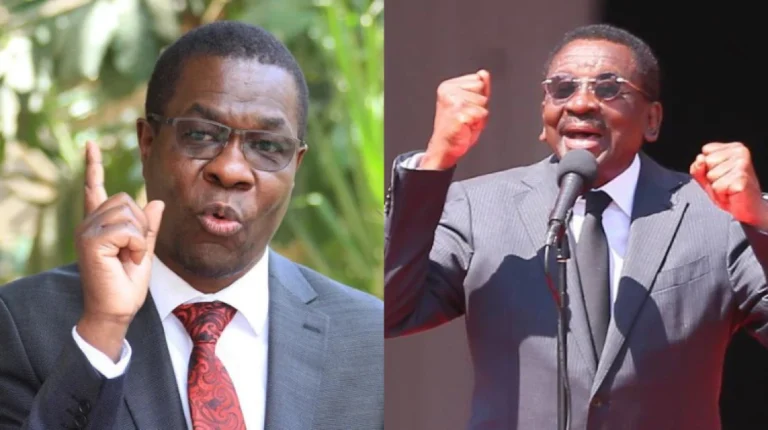
Professor Makau Mutua, who chairs the compensation panel, insists this is not exclusion — it is sequencing. “We are going to proceed with the claims; we cannot do each category at once. We are systematically going down the list of categories,” he said. That sounds reasonable on the surface. It is not. When the categories being skipped are the ones involving state-inflicted torture and state-sanctioned disappearances, the order of operations becomes a statement about whose pain the government is most comfortable acknowledging.
Think about who these people are. They were abducted. Held without charge. Some were tortured. Their families filed reports, knocked on doors, and waited — while the state that harmed them now controls the pace at which justice is delivered. The deliberateness that Mutua describes as a virtue looks, from where these families stand, like a slow erasure.
Rights groups are not buying the official framing either. They argue that even a temporary exclusion of these categories risks undermining the constitutional foundation the entire framework was supposed to rest on. A compensation process that moves fastest for the least politically sensitive violations is not justice. It is optics.
This Is a Pattern, Not an Accident
Here is what makes this moment even harder to swallow: it is not the first time this government has made promises about abductions and then stalled on delivering them. Eighteen months ago, facing an earlier wave of disappearances, President Ruto publicly declared, “We are going to stop the abductions so that our youth can live peacefully.” That promise aged badly. The abductions did not stop. And now, the same government is asking survivors of those very abductions to wait their turn in a compensation queue.
The KNCHR report was supposed to change that dynamic. It did something powerful — it named the violations, it counted the victims, it put numbers and categories to what the state had done. That kind of official acknowledgement matters enormously in a country where denial is the default. But acknowledgement without action is its own form of cruelty. Families say they are waiting for two things: an end to the abductions, and justice for those who already survived them. Right now, they have neither.
The list keeps moving. The tortured and the disappeared are still not on it.
If this government is serious about what Ruto called “a major milestone in protecting the rights of those harmed,” then the most brutalized survivors cannot be the last ones served. Every week of delay is a message — and these families are reading it clearly.