The Lie Machine Is Running at Full Speed
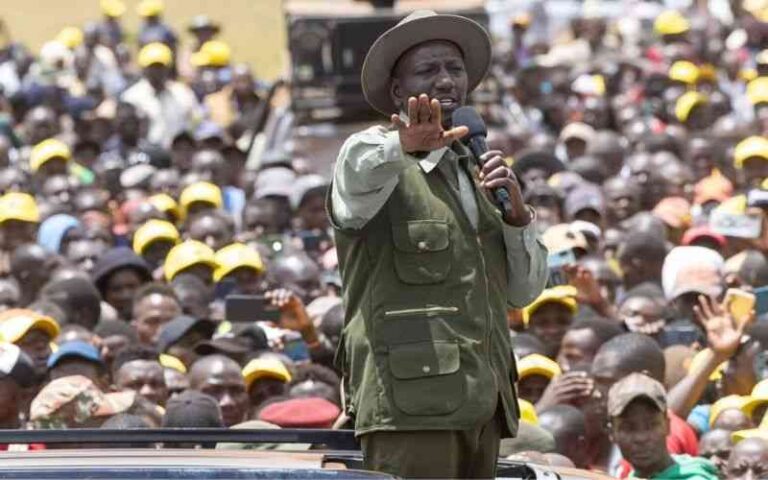
There is a politician — prominent enough to command an audience, reckless enough to abuse it — who is currently telling Kikuyus that the Kenya Revenue Authority’s ongoing tax amnesty is a weapon aimed at their community. Let that sink in. A public figure is actively discouraging citizens from taking advantage of a relief programme that could save them real money, all to score political points in a tribal chess game that benefits nobody but himself. This is not spin. This is not misunderstanding. This is a calculated, deliberate lie, and it is costing ordinary Kenyans.
The tax amnesty is for every single taxpayer in this country, regardless of tribe, region or political affiliation. There is no asterisk. There is no hidden clause targeting any community. Yet the moment a politician frames it as persecution, confirmation bias kicks in, fear does the rest, and thousands of people who could have cleared their tax penalties walk away from a genuine opportunity. That is the real damage — not the lie itself, but the material consequence it produces in people’s lives.
Why Propaganda Works So Well in Kenya Right Now
Understanding why Kenyans fall for this kind of manipulation is not an insult — it is a starting point. Human beings are wired to trust their in-group and distrust outsiders, a survival instinct that made sense on the savannah and makes politicians very rich today. Every tribal chieftain in this country has learned to exploit that instinct, packaging economic anxiety as ethnic threat, and offering themselves as the only shield between you and the other community that supposedly wants you “finished.”
Confirmation bias turbocharges this dynamic. When a message aligns with what you already believe — that the government is corrupt, that the other tribe is always scheming, that institutions cannot be trusted — your brain does not interrogate it. It adopts it. The stereotype becomes evidence, and the lie becomes fact. Politicians do not create these vulnerabilities from scratch; they inherit them from history, from genuine grievances, from real betrayals, and they sharpen them into weapons.
Social Media: The Amplifier Nobody Asked For
The machinery behind modern propaganda is not a smoke-filled room — it is an algorithm. Social media platforms are not neutral town squares; they are engagement-optimisation engines that reward content provoking the fastest, most intense human reactions. Fear and outrage win every time, not because they are true, but because they are sticky. A video clip of a tax official can have siren sounds dubbed over it, a calm statement can be stripped of context, and a policy document can be summarised in a caption so misleading it inverts the original meaning — and the platform will boost all of it because people click on it.
The echo chamber effect compounds everything. Algorithms track what you pause on, what you share, what you argue with, and they construct a personalised feed that gradually filters out any perspective that might challenge your assumptions. You end up in a homogeneous online community where the same narratives circulate, unchallenged, until they feel like universal truth. The platforms profit from your anxiety. The politicians profit from your distrust. And you are left holding a tax penalty you could have waived, because someone told you the amnesty was a trap.
What the Tax Amnesty Actually Is
Strip away the noise and the facts are straightforward. The KRA’s tax amnesty is a relief programme designed to give taxpayers an opportunity to regularise their tax positions — clearing outstanding penalties and interest — without the full punitive weight of enforcement. It is the kind of programme that tax administrations across the world deploy precisely because aggressive enforcement alone does not build compliance; trust does. When citizens feel that the system is offering them a fair deal rather than hunting them down, they engage. They pay. Compliance rises.
Tax morale — the intrinsic willingness of citizens to meet their obligations — depends heavily on the perception of fairness and institutional respect. When a politician tells a specific community that the amnesty is designed to harm them, he is not just spreading a lie; he is actively eroding the trust that makes voluntary compliance possible. He is making KRA’s job harder, making the government’s revenue base weaker, and making every honest taxpayer in that community poorer for having missed a genuine opportunity. The cynicism is breathtaking.
How to Fight Back Against the Lie
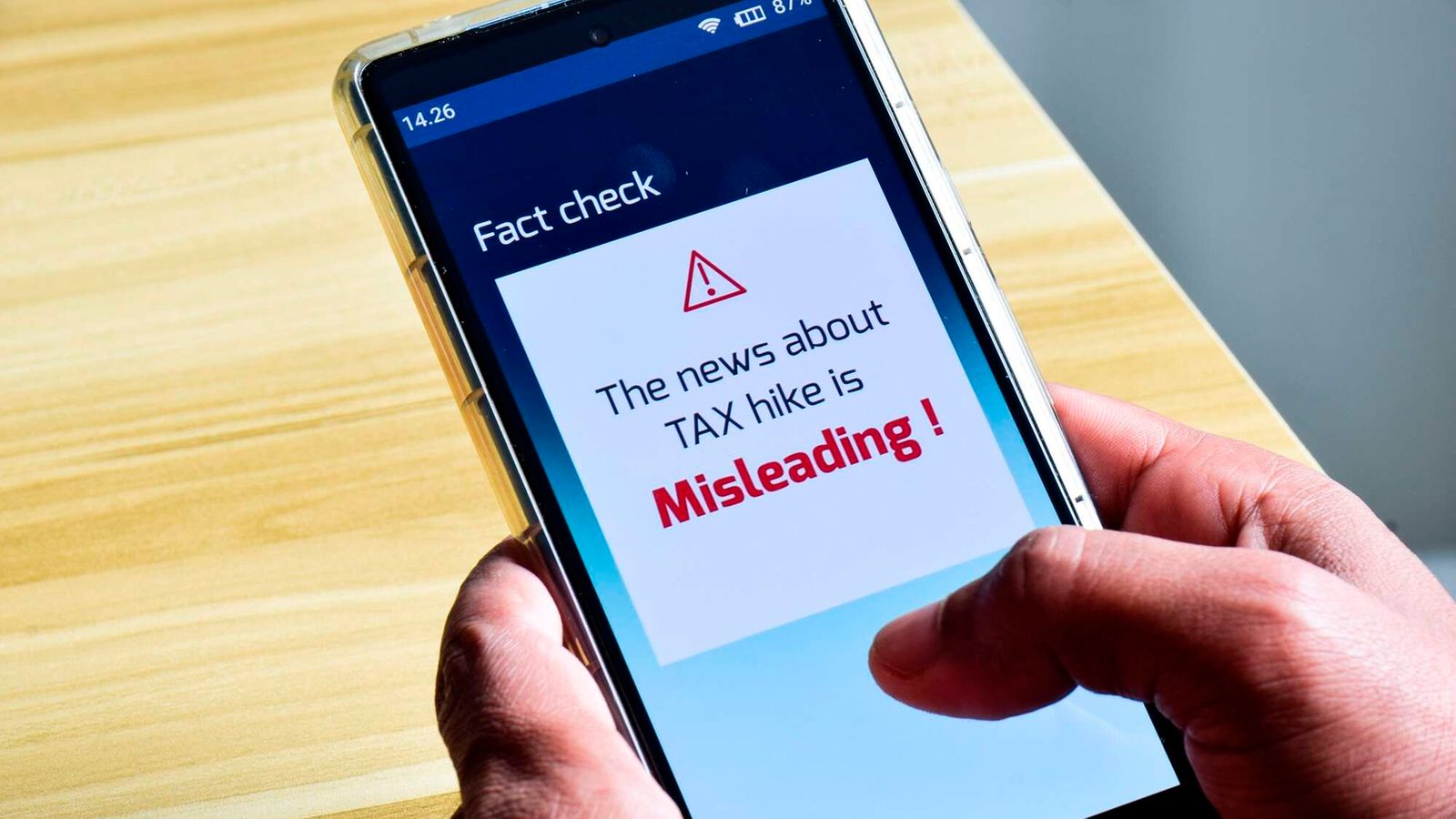
The antidote to propaganda is not passive scepticism — it is active verification. Several platforms exist specifically to help Kenyan citizens interrogate political claims before amplifying them. PesaCheck focuses on economic and financial claims, Africa Check’s Kenya bureau tackles political statements, Piga Firimbi and Hakikisha both offer rapid fact-checking in the local context. These are not perfect tools, but they are real ones, and using them is an act of civic responsibility.
Visual manipulation is increasingly common — real footage doctored with added audio, images stripped of context, screenshots cropped to reverse meaning. A reverse image search, by pasting an image’s URL into a search engine, can reveal where a photograph first appeared and whether it has been repurposed to fit a false narrative. It takes thirty seconds and it has exposed some of the most viral political lies circulating on Kenyan timelines. In 2022, the Media Council’s iVerify Kenya Desk combined automated tools with trained media desks to track hate speech and election propaganda in near real time; that infrastructure needs to be rebuilt and made permanent, not dusted off every five years when an election approaches.
The Stakes Are Personal — and Political
Ndiritu Muriithi, an economist and partner at Ecocapp Capital, who has written on this subject, is himself currently a target of deliberate defamation within Mt. Kenya’s political ecosystem — accused, absurdly, of using tax administration to punish Kikuyus. The accusation is designed to be unfalsifiable in the short term, because by the time the facts catch up, the emotional damage is done. This is how tribal propaganda works: it does not need to survive scrutiny, it just needs to land before scrutiny arrives.
Young, politically engaged Kenyans have more tools than any previous generation to cut through this noise — but tools are useless without the will to use them. The tax amnesty will not wait for the propaganda cycle to exhaust itself. Deadlines are real. Penalties are real. The politician telling you the system is out to get you will not pay your interest charges when the window closes. That is the personal stake. Understand it clearly, verify the facts independently, and make the decision that actually serves you — not the one that serves someone else’s political ambitions.