A Deal That Touches Every Kenyan
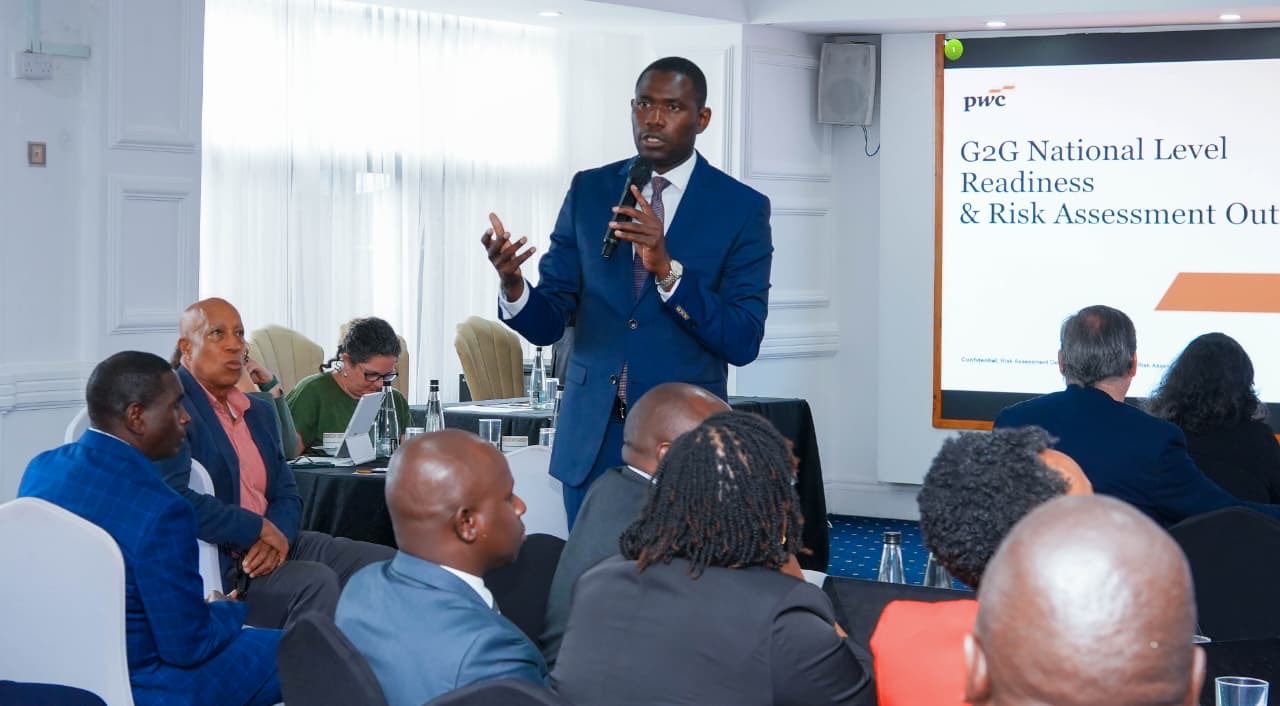
When Principal Secretary for Medical Services Dr Ouma Oluga stood before health institution CEOs and their technical teams to discuss the Kenya–US Health Cooperation Framework, he was not delivering a routine briefing. He was making a demand, one that carries real weight for every Kenyan who has ever sat in a public hospital waiting room, watched a loved one struggle for access to medicine, or wondered whether the government actually has a plan. The framework, still being finalised between Nairobi and Washington, is not just diplomatic paperwork. It is a structural agreement that will shape how Kenya’s healthcare system is funded, governed and reformed for years to come.
How We Got Here
Kenya’s relationship with US health funding is not new. For decades, American support through mechanisms like PEPFAR has propped up significant portions of Kenya’s HIV response, maternal health programmes and disease surveillance infrastructure. That support, however, has never been unconditional, and the current global moment, marked by shifting American foreign policy priorities and growing pressure on aid budgets, has forced Nairobi to reckon with a critical question: what happens when the funding architecture changes? The Kenya–US Health Cooperation Framework is, in many ways, Kenya’s answer to that question, an attempt to formalise the relationship on terms that protect national interests rather than leave the country perpetually dependent on goodwill.
What Oluga Is Actually Asking For
Dr Oluga’s message to health institutions was pointed and unambiguous. He called for collective ownership of the framework’s risk assessment and mitigation plan, meaning he wants every institution involved to look honestly at its own vulnerabilities, not wait for someone else to identify them. This is not a small ask in a bureaucratic culture where accountability often dissolves between departments, where CEOs protect institutional reputations and technical teams defer upward. Oluga is pushing against that reflex, insisting that the risk assessment must reflect institutional realities on the ground rather than the sanitised version that tends to surface in official reports.
He was equally clear about what this process is not. It is not an audit. It is not a fault-finding exercise designed to expose failures or embarrass health managers. That distinction matters because, in Kenya’s public sector, the fear of accountability often produces exactly the kind of defensive, information-withholding behaviour that makes reform impossible. By framing the risk assessment as a tool for strengthening systems rather than punishing individuals, Oluga is attempting to create the conditions for honest institutional self-examination, which is precisely what a deal of this magnitude requires.
The Stakes: Sovereignty, Capacity and Reform
Beneath the diplomatic language of “cooperation frameworks” and “institutional capacity,” the real stakes here are about sovereignty. Kenya has spent years trying to advance Universal Health Coverage, rolling out reforms under the Social Health Authority and restructuring how healthcare is financed and delivered at the county level. Any external cooperation agreement that does not align with those domestic reform priorities risks pulling the system in two directions at once, satisfying donor requirements while quietly undermining the national agenda. Oluga’s insistence on aligning the framework with ongoing health reforms is a signal that Kenya intends to drive this process, not simply receive it.
Diplomatic discipline and clear communication, two things Oluga specifically emphasised, are not bureaucratic buzzwords in this context. They are safeguards. When large bilateral health agreements are negotiated, the details, which programmes are protected, which data is shared, which standards apply, can determine whether a country retains meaningful control over its own health system. Kenya has seen what happens when those details are left vague. The framework is an opportunity to get them right, but only if the institutions involved engage with genuine seriousness rather than performative compliance.
What Young Kenyans Should Be Watching
If you are young, politically aware and tired of being told that international health agreements are too technical for public scrutiny, this is the moment to pay attention. The Kenya–US Health Cooperation Framework will influence how health budgets are structured, how health workers are trained and deployed, and whether Kenya’s long-term healthcare ambitions survive contact with external funding conditions. The government has committed, publicly, to delivering quality healthcare to all Kenyans. That commitment now needs to be tested against the specifics of what gets signed, what gets funded and what gets quietly deprioritised when no one is watching. Oluga is asking institutions to own this process. Kenyans should be asking the same of their government.