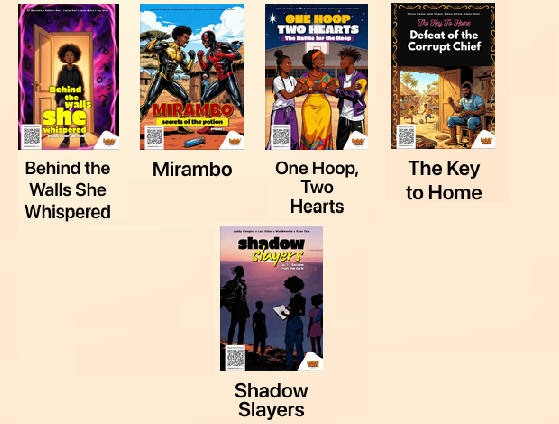
A Nairobi-based creative education platform is betting that artificial intelligence can unlock a new generation of Kenyan comic publishers, placing homegrown storytellers at the table of a multibillion-dollar global industry that has, for too long, consumed African talent without producing it. Kelele Comics, which launched its pilot programme in April 2025, is arming young Kenyans with AI image generation tools, scriptwriting skills, and graphic design know-how — and the early results are impossible to dismiss.
Joe Gweth, Chief Operations Lead at Kelele Comics, frames the mission in stark, unambiguous terms: Africa is drowning in content consumption while producing almost none of it, and that imbalance is a problem with a solution. His organisation enrolled 26 students — complete novices, ranging in age from 13 to 17 — in a hands-on curriculum that covered visual storytelling, fictional scriptwriting, theatre, and AI-assisted graphic design. By the end of the cohort, those teenagers had produced and published five fully illustrated comics online, with zero prior experience in the creative space.
What the programme actually delivers
The curriculum is deliberately practical, built around outputs rather than theory. Students who pass through Kelele Comics walk away with a specific, marketable set of skills that directly lower the barrier to entry in an industry that has historically required expensive software, formal art training, and institutional backing.
“We have five published comics from our pilot programme,” Gweth said. “These are people who were complete novices, who had no experience in the creative space or AI tools — and now they are good at them.” That is not a small thing. Publishing is the part that most aspiring creatives never reach, and these teenagers cleared that bar in a single cohort.
Kelele Comics is not treating this as a feel-good pilot to be quietly shelved. The organisation has set a target of 60 published comics from its August 2026 cohort, backed by an expanded curriculum and new school partnerships across Nairobi. The scale-up signals institutional confidence in the model — and a clear-eyed recognition that Kenya’s creative economy cannot afford to keep waiting for the world to tell its stories for it.