
Tax Criminals Are Winning. Here’s Why That Should Terrify You.
South Africa is hemorrhaging R100 billion every year to illicit trade — and for decades, the government’s response has been little more than a slap on the wrist. Now, a landmark 13-year prison sentence handed to a cigarette trafficker in Limpopo has ignited a fierce debate: is it finally time to treat tax criminals like the economic saboteurs they actually are?
The Case That Changed the Conversation
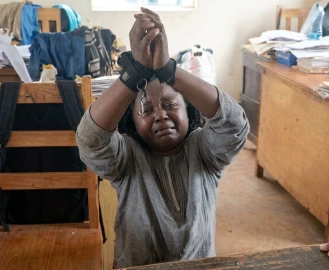
Toni Nathaniel Gumbo, 56, was intercepted on the R516 in the Tuinplaas policing area after intelligence tipped off police about a white Ford Ranger moving illicit cigarettes from Musina to Gauteng. Inside the vehicle, officers found 36 master cases of Remington Gold cigarettes concealed in boxes — street value: R360,000.
The Polokwane Commercial Crimes Court convicted Gumbo of possession of illicit cigarettes and contravening the Immigration Act. He got 13 years. That sentence, advocates say, should be the new baseline — not the exception.
The System Has Been Broken — On Purpose
Tax Justice South Africa (TJSA) leader Yusuf Abramjee isn’t mincing words. “South Africa must stop slapping tax crooks on the wrist. We need to lock them up before they bring this country to its knees,” he said.
Abramjee’s argument is simple and damning: fines don’t work when criminals are stashing fortunes offshore. The current prosecution framework is, in his words, “discredited.” And he’s right to be angry.
Three years ago, Al Jazeera’s explosive Gold Mafia investigation exposed alleged multi-billion-rand money-laundering operations with direct ties to South Africa’s cigarette industry. The result? Not a single arrest. The key figures named in that exposé are still operating businesses and manufacturing cigarettes on South African soil.
What This Costs Every Single One of Us
This isn’t abstract. Unisa economist Dr Eliphas Ndou breaks it down: every rand lost to illicit trade is a rand that never reaches the National Treasury. That means fewer hospitals, fewer roads, fewer schools — and more people forced onto SASSA grants as legitimate businesses, undercut by tax-dodging competitors, shut their doors.
Independent economist Ulrich Joubert points to a stark real-world consequence: the potential closure of a British American Tobacco South Africa factory in Heidelberg — a direct casualty of illegal competition from traders who pay nothing into the system.
“The budget shortfalls always mentioned in the national budget could be easily reduced when SARS aggressively combats illicit trade,” Dr Ndou said. “A strong deterrence signal is needed.”
What Needs to Happen — Now
Abramjee is calling for a three-front crackdown, and none of it is radical — it’s just what serious governments do:
Law enforcement must also be given stronger powers to seize proceeds of crime without the current bureaucratic drag that lets suspects liquidate assets before a case concludes.
The Bottom Line
The Gumbo sentence proves the system can work when the will exists. The Gold Mafia non-investigation proves it often doesn’t. Young South Africans — who will inherit this broken fiscal system — deserve a government that treats economic crime with the same urgency as any other national security threat.
Illicit cigarette traders aren’t just breaking the law. They are systematically looting the future. It’s time the punishment reflected that reality.