They gathered in Naivasha, away from Nairobi’s noise, with hotel rooms booked and phones buzzing — and nobody pretended this was anything other than what it was: the opening shot of Kenya’s 2027 presidential campaign.
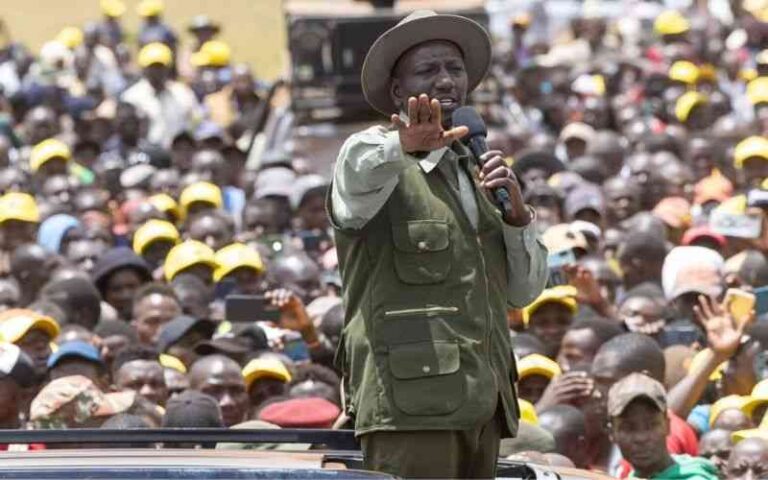
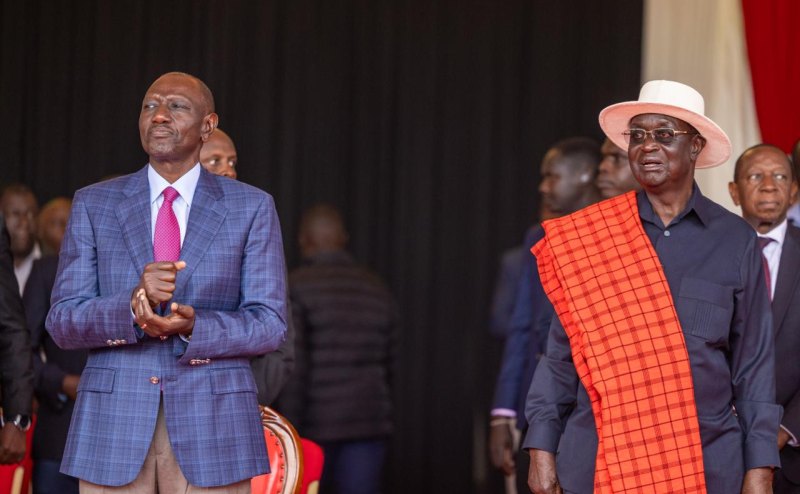
The three-day retreat, running from August 9 to 11, brought together the heavy machinery of both the United Democratic Alliance and the Orange Democratic Movement under one roof. Governors, Deputy Governors, Members of Parliament, Senators, Cabinet Secretaries and Speakers of both Houses — the full architecture of Kenya’s political elite, assembled at the instruction of President William Ruto and ODM’s Oburu Oginga, to do what Kenyan politicians do best: plan how to hold onto power.
The Price Everyone Must Pay
Alego Usiga MP Samuel Atandi did not mince words. “The biggest headache for us is the re-election of President William Ruto,” he told journalists, with the kind of candour that usually only slips out when someone forgets the cameras are rolling. “All of us must be aware that that is the price all of us must be ready to sacrifice for that to happen.” There it is — not governance, not service delivery, not the cost of unga. The price. The sacrifice. Ruto’s second term, framed as a debt every coalition member must honour.
Atandi also chairs the National Assembly’s Budget and Appropriations Committee, which means he sits at the intersection of public money and political ambition. His presence at this retreat, speaking this openly about electoral consolidation, tells you something about how blurred that line has become.
ODM’s Quiet Fractures
Not everyone in ODM made the trip to Naivasha, and Atandi knows it. He moved quickly to wave away concerns about defections from the party, insisting that “a few friends who have left” have not weakened the coalition’s foundations. But the speed of that dismissal reveals the anxiety underneath. When your talking point is that the departures don’t matter, the departures matter.
Senate Minority Leader Stewart Madzayo leaned into the optimism, describing the retreat as a bonding exercise and projecting near-religious certainty about a Ruto second term. “When two large parties come together, victory is on their side. There is no doubt about that,” he said. UDA’s nominated Senator Raphael Chimera added that the gathering would also serve as a moment of self-assessment — a chance for the administration to “take stock of its performance” and prepare to account to voters. That framing, at least, gestures toward the electorate.
What This Means for You
Here is the part that should make young Kenyans sit up. The broad-based government — the arrangement that emerged after the Gen Z protests of 2024 shook Ruto’s administration to its core — was sold to the public as a unity government, a response to national crisis, a hand extended across political divides in the national interest. What Naivasha reveals is that it was always, also, a campaign vehicle. The coalition is not meeting to fix the economy or reduce youth unemployment or address the grievances that drove thousands into the streets. It is meeting to win in 2027.
That is not cynicism. That is politics. But Kenyan voters — especially the generation that forced a rethink of the Finance Bill and proved that street pressure can move mountains — deserve to hold that truth clearly in their minds as the campaign season quietly, officially, begins.
The leaders will hold a closed-door session before speaking to the media. By the time they emerge, the messaging will be polished. The Naivasha retreat will be described as visionary, unifying, forward-looking. But behind those closed doors, Atandi already told you what was on the agenda. The presidency. The price. The sacrifice. Everything else is noise.