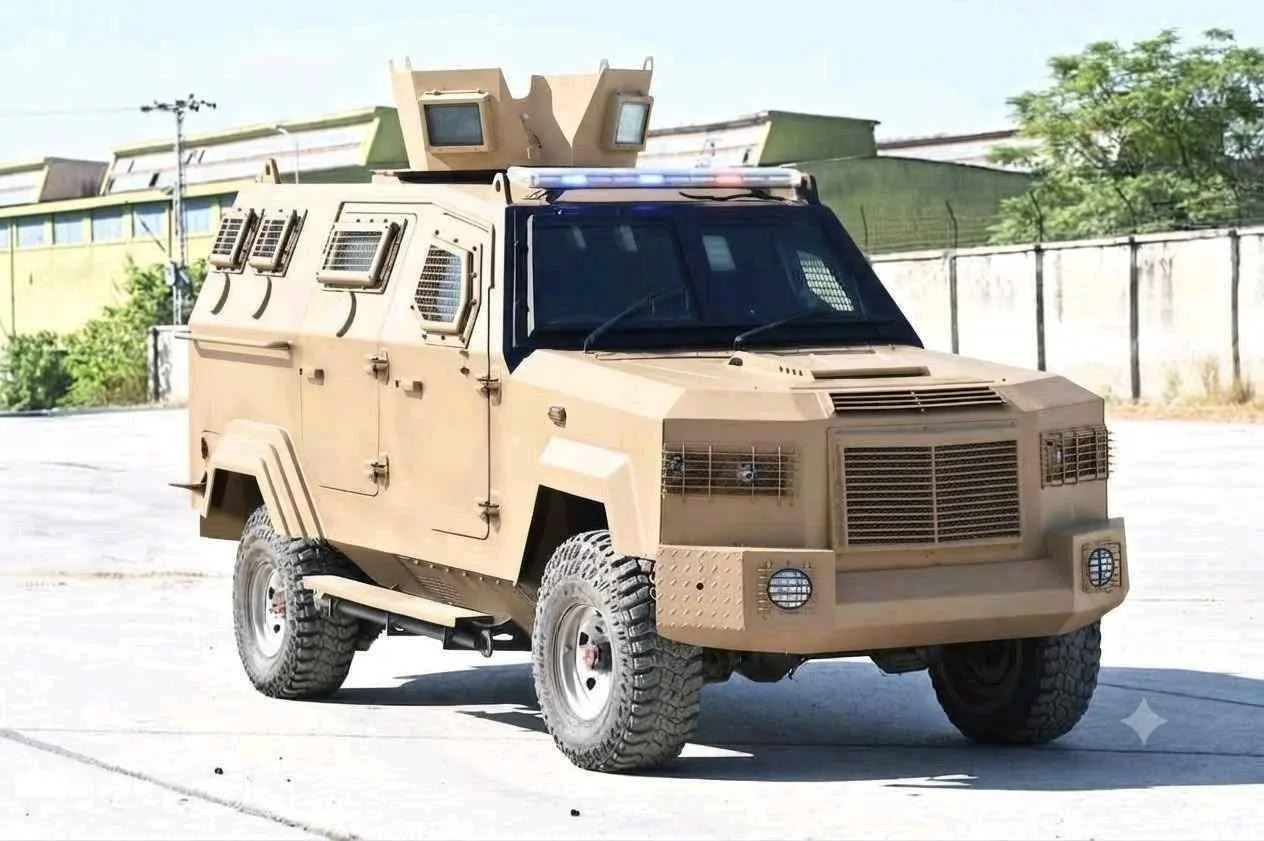
Foreign weapons are pouring into Sudan, and the consequences stretch far beyond Khartoum’s burning streets. Reports have emerged of Pakistani-made Mohafiz-V armoured vehicles appearing in Sudan’s capital during a military parade — the first visible sign of a defence arrangement between Islamabad and the Sudanese Armed Forces reportedly worth $1.5 billion. If you think this is just another distant conflict, think again. What happens in Sudan doesn’t stay in Sudan.
Sudan is already home to one of the worst humanitarian disasters on the planet. The war between the Sudanese Armed Forces (SAF), commanded by General Abdel Fattah al-Burhan, and the paramilitary Rapid Support Forces (RSF) has shattered millions of lives, triggered mass displacement, and collapsed food and health systems. Now, according to Indian media outlet News18 — citing Indian intelligence sources — fresh weapons are entering that inferno.
Here is what the reported Pakistani arms package allegedly includes, and why each element matters.
The financing behind this deal is shaky. News18 reports that Saudi Arabia, initially expected to back the arrangement, has pulled back its financial support. Sudan’s army chief Burhan has reportedly been making diplomatic rounds in Riyadh, trying to keep the money — and the weapons — moving. That desperation tells you something about how much the SAF wants this hardware, and how far external actors are willing to go to shape the war’s outcome.
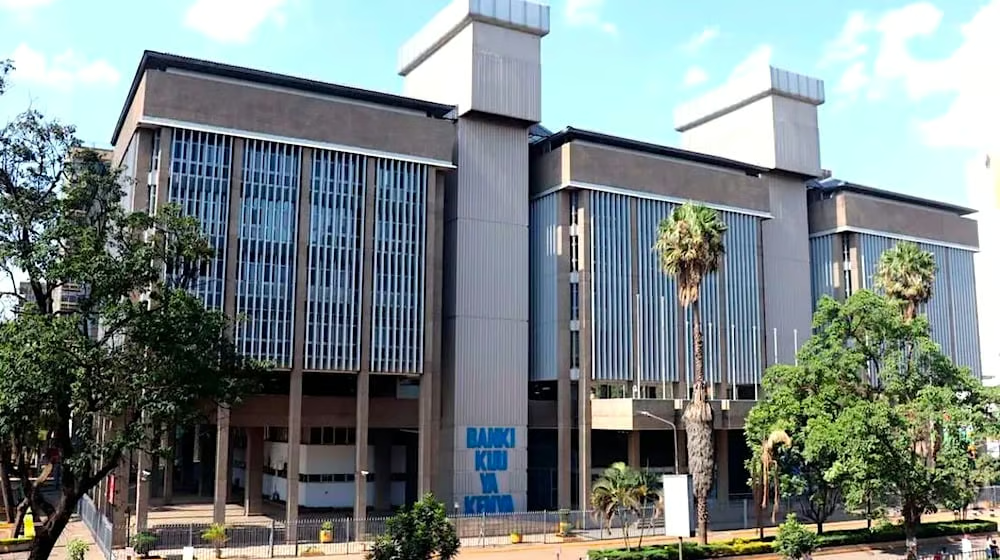
For young Kenyans watching this unfold, the real danger is not just the weapons themselves — it is the pattern they represent. Sudan sits at the crossroads of the Horn of Africa, North Africa, the Middle East, and the Red Sea. Kenya shares a border with South Sudan, which shares a border with Sudan. Weapons don’t respect borders in this region, and neither do the crises they create. Refugees, instability, and the spillover of armed group activity are not abstract threats — they are documented consequences of exactly this kind of external military interference.
The broader truth is brutal and worth saying plainly: Africa’s wars have become laboratories. Foreign defence industries test their technologies here, build battlefield experience here, and profit here — while African civilians pay the price. Pakistan’s reported involvement in Sudan is not unique; it is part of a long, ugly tradition of outside powers treating African conflict zones as strategic assets. Neither Islamabad nor Khartoum has officially confirmed the $1.5 billion deal or its contents, and the primary sourcing runs through Indian intelligence — which carries its own geopolitical motivations. Skepticism is warranted. But the armoured vehicles were seen. The parade happened. The questions are real, and they demand answers.