Ghana vs Gold Fields: The Fight to Take Back Tarkwa Is About More Than Xenophobia
South Africa’s xenophobic attacks on African migrants didn’t just hurt the people they targeted — they lit a fuse that was already burning under one of the continent’s most valuable gold mines. Now, Ghanaians are demanding their government stop renewing a mining lease that hands billions in gold wealth to a foreign company, and Gold Fields is scrambling to hold on.
What’s Actually at Stake
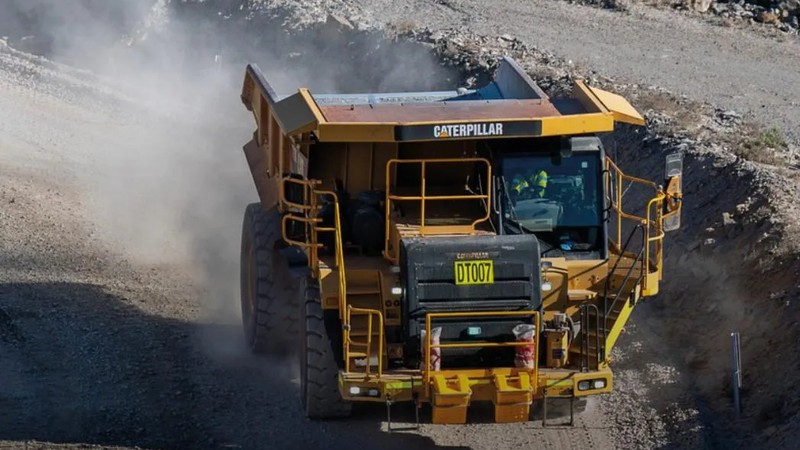
The Tarkwa gold mine in Ghana’s Western Region produces between 475,000 and 537,000 ounces of gold per year — roughly one-fifth of Gold Fields’ entire global output. It is the South African company’s single largest producing mine. Ghana gets royalties. Gold Fields gets rich.
That lease expires in April 2027. And for the first time, renewal is not guaranteed.
The Xenophobia Trigger
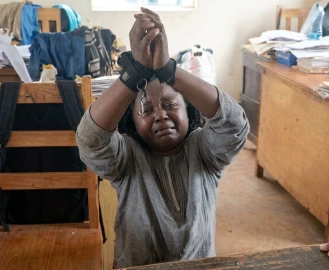
When anti-immigrant protests swept South Africa in recent weeks, more than 2,700 nationals from Ghana, Nigeria, Mozambique, and Malawi were assisted in returning home. Ghanaians watched their people get chased out of a country where South African companies operate freely — including inside Ghana’s own borders.
The response was swift and personal. The Ghana First Alliance movement took to the streets and marched a petition straight to the presidency: do not renew the Tarkwa lease. Under the hashtag #DontRenewGoldfieldsLease, thousands of Ghanaians amplified the call online.
This wasn’t fringe activism. Kofi Bentil and Franklin Cudjoe — both senior figures at IMANI Africa, one of the continent’s most respected policy think tanks — publicly backed local ownership of the mine. Legal practitioner Oliver Barker-Vormawor, NEIP CEO Eric Adjei, and NPP communicator Eric Twum added their voices. The political establishment was listening.
Gold Fields Is Playing It Cool — For Now
Gold Fields released a carefully worded statement: “Discussions with the government of Ghana in this regard remain constructive and are taking place through the appropriate channels.” Translation: we’re not panicking, but we’re watching.
The company insists it is “well positioned to continue operating and growing the Tarkwa mine,” pointing to its record on employment, safety, and investment capacity. It expects a decision by the end of 2026.
But Gold Fields already lost its other Ghanaian operation. The Damang mine was handed back to the state earlier this year when its lease expired. The government held a competitive tender for a new owner. The precedent has been set.
Ghana Was Already Changing the Rules
Here’s what the xenophobia narrative misses: Ghana was tightening its grip on the mining sector long before South Africa’s protests erupted.
President John Mahama’s administration raised gold royalties from 5% to as much as 12% and restricted bids for the former Gold Fields Damang mine to local companies only. Lease renewals, the government has made clear, will no longer be automatic — they will face detailed technical and ministerial scrutiny.
The xenophobic attacks didn’t create this pressure. They accelerated it.
The Counter-Argument: Don’t Kill the Golden Goose
Kenneth Ashigbey, CEO of the Ghana Chamber of Mines, is sounding the alarm. He warns that handing Tarkwa to local operators “will destroy the security of tenure that is essential to the development and sustenance of the mining industry.” His argument: regulatory volatility scares away the foreign capital Ghana still needs.
It’s a real concern. But it’s also the same argument that has kept African countries in junior partnerships with foreign mining giants for decades — while the gold flows out and the profits follow.
What Mahama Does Next Matters
The Ghanaian government is walking a tightrope. It has ruled out blanket nationalisation and affirmed the value of foreign investment. But it has also refused to guarantee Gold Fields a renewal and is under intense domestic pressure to deliver tangible benefits from Ghana’s gold wealth — especially with global gold prices near record highs.
Ghana’s High Commissioner to South Africa, H.E. Benjamin Quarshie, pushed back against claims that the repatriated Ghanaians were undocumented. “I can say for a fact that 80% of the repatriated Ghanaians were documented,” he said. The dignity of Ghanaian citizens abroad is now directly entangled with the terms of a mining deal at home.
The Bottom Line
This is not just about xenophobia. It’s about who owns Africa’s resources, who profits from them, and whether African governments will finally use their leverage to change the equation.
Tarkwa produces a fifth of Gold Fields’ global gold. Ghana is Africa’s biggest gold producer. The lease expires in 2027. And for once, Ghana holds the cards.
The question is whether Mahama’s government will play them.