The Left Is Regrouping — And It Has Names to Name
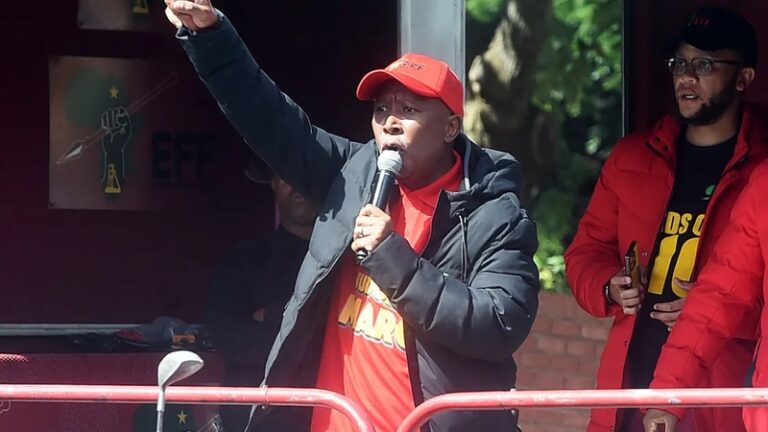
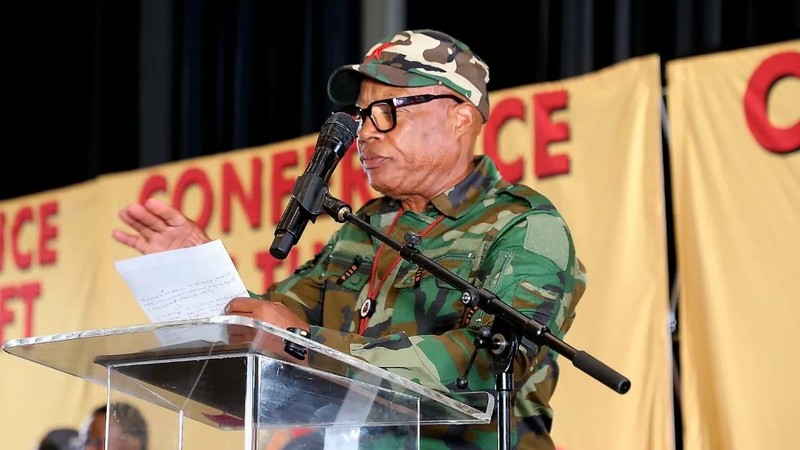
Boksburg, Ekurhuleni — MK Party second deputy president Tony Yengeni stood before leftist delegates on Friday and said what many in South Africa’s political left have long believed: the Democratic Alliance and the Freedom Front Plus are not just opposition parties — they are active forces working to undo Black liberation.
He made these remarks at the South African Communist Party’s Conference of the Left, a three-day gathering in Boksburg designed to forge unity among working-class and progressive formations across the country.
The Accusation Is Direct
“The Democratic Alliance and the Freedom Front Plus, together with their counterparts, represent the most reactionary sections of our society,” Yengeni told delegates. “Forces rooted in the defence of colonial privilege, white monopoly culture and neo-liberal domination.”
He didn’t stop there. According to Yengeni, these parties are not simply conservative — their agenda is “deeply intertwined with the interests of international capital and imperialist networks.”
This is not political theatre. For millions of young Black South Africans still locked out of land ownership, decent jobs, and generational wealth, these words carry real weight.
What This Conference Actually Is
The SACP convened this gathering with a clear mandate: strengthen coordination, sharpen political education, and build organised struggle among leftist formations. SACP General Secretary Solly Mapaila reinforced that unity on the left is not optional — it is critical.
The ANC was invited. They said no — claiming there was “nothing leftist” about the conference. That rejection tells you everything about where the ANC currently stands.
The MK Party, by contrast, showed up — and Yengeni made clear they intend to stay.
The Economy Is Still Colonial. Say It Louder.
Yengeni was unambiguous about South Africa’s economic reality: “The wealth of the country continues to be concentrated in the hands of a tiny minority, while the black majority remains dispossessed and marginalised.”
Thirty years into democracy, that sentence should feel like a scandal. It doesn’t — because most of us have been taught to accept it as normal.
The conference’s left front is pushing back against that normalisation, advancing what Yengeni called the “strategic objective of restructuring the economy so that it serves the interests of the majority and not private monopolies of foreign capital.”
Land. Minerals. Power.
Yengeni was explicit: genuine economic liberation requires that land and mineral wealth come under the ownership and control of the people, led by the Black majority.
“The historical injustice of land dispossession can never be resolved through cosmetic reforms or market-driven solutions,” he said.
This is a direct challenge to the GNU’s current economic posture — and to every politician who tells you that patience and market forces will eventually fix a system designed to exclude you.
Pan-Africanism Is Back on the Table
Yengeni also framed South Africa’s struggle within a broader continental context. The liberation of South Africa, he argued, cannot be separated from the liberation of Africa as a whole.
“The unity of the African continent and other continents against war, aggression and tyranny for economic development, peace and solidarity is of great urgency and importance,” he said.
In an era of rising Western pressure on African governments and growing South-South solidarity movements, this framing is deliberate — and increasingly resonant among young Africans who are done waiting for the Global North to lead.
The Bottom Line
The left in South Africa is fractured, often contradictory, and carries its own complicated history. But what happened in Boksburg on Friday signals something important: there is a growing political appetite to name the enemy clearly, organise deliberately, and stop pretending that incremental reform will deliver justice.
Whether the MK Party, SACP, and their allies can translate conference rhetoric into a coherent programme of action remains the real test. But the conversation has started — and this time, they’re not asking the ANC for permission.