What exactly happened here?
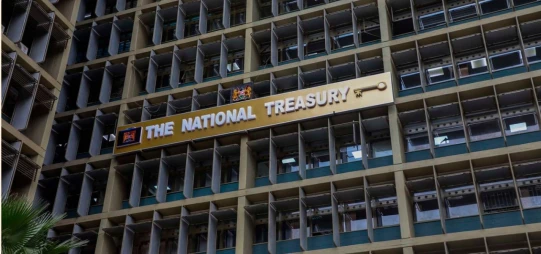
Nine suspects are now in custody. Among them: senior officials from Kenya’s National Treasury. The Ethics and Anti-Corruption Commission (EACC) arrested them over a Ksh.1.569 billion fraud that gutted a programme designed to help small-scale farmers access affordable financing. Let that sink in. Money meant for the most vulnerable farmers in this country ended up in private pockets.
The programme in question is called PROFIT — ironically named, as it turns out. It ran from the 2013/2014 financial year all the way through 2023/2024, funded through the International Fund for Agricultural Development (IFAD) and implemented via the National Treasury. A full decade of looting, hidden in plain sight.
How did they pull it off?
This wasn’t amateur hour. The EACC says programme officials used false and forged documents to account for the funds — a calculated, deliberate cover-up. The money was fraudulently disbursed from the National Treasury Development Account into the PROFIT Programme, then quietly funnelled outward to 23 private entities: 15 registered business names and eight companies. Every single one of them received payment for goods and services that were never delivered.
It gets worse. An unauthorised account was secretly opened at KCB Bank under the name of the PROFIT Programme. Through this shadow account, Ksh.175 million was received, laundered, and embezzled — a significant chunk of it withdrawn in cold, untraceable cash. This was not an oversight. This was architecture.
Were these officials directly linked to the private companies receiving funds?
Yes. EACC CEO Abdi Mohamud confirmed that investigators established direct financial links between programme officials and the private entities that pocketed public money. That means the same people controlling the disbursements were also, in some form, on the receiving end. It is a textbook conflict of interest — and a criminal one.
Who else is implicated?
Beyond the nine arrested, the EACC has flagged 11 additional persons of interest and ordered them to present themselves at commission offices. These are not minor players being swept up in a wide net. The commission’s language is deliberate and pointed. If they don’t show up, expect arrests.
The charges being prepared are serious: unlawful acquisition of public property, abuse of office, money laundering, acquisition of proceeds of crime, and uttering false documents. These are not administrative slaps on the wrist. Convictions on these counts carry real prison time.
Why should you care?
Because this money was supposed to reach Kenyan farmers — people already fighting drought, rising input costs, and a government that consistently underfunds agriculture. Instead, it was systematically stolen by the very officials tasked with protecting it. A decade passed. Nobody noticed, or nobody wanted to.
This case is a direct window into how public funds disappear in Kenya — not through chaos, but through deliberate, coordinated theft by insiders with institutional access. The EACC is now moving. Watch whether the prosecutions actually stick, or whether this becomes another file that quietly gathers dust after the cameras move on.