America Is Dumping Its Deportees on Africa — And Our Governments Are Taking the Money
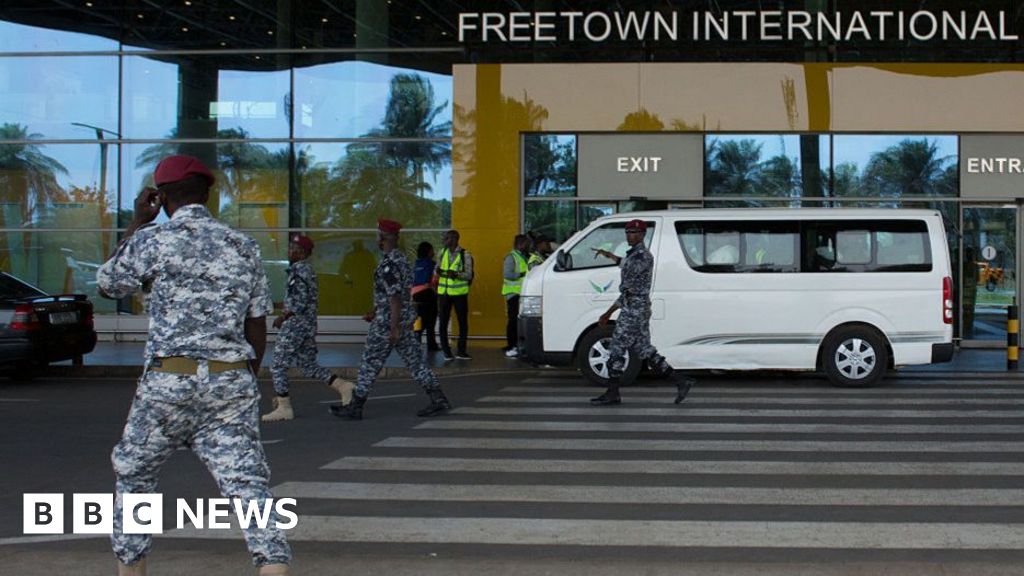
Sierra Leone just became the latest African country to do Donald Trump’s dirty work. On Wednesday morning, a Boeing charter flight touched down at Lungi International Airport outside Freetown carrying nine West African migrants — seven men and two women — expelled from the United States and dumped on a continent that had nothing to do with their situation.
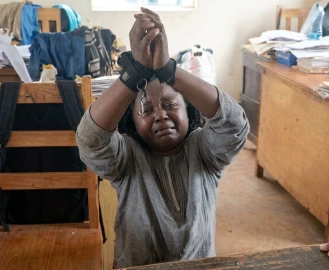
One deportee refused to leave the plane. He had to be physically removed.
Let that image sit with you for a moment.
The Deal Nobody Is Talking About
Sierra Leone’s Foreign Minister Timothy Musa Kabba confirmed last week that his government struck a deal to accept up to 300 US deportees per year. The catch? The deportees don’t even have to be Sierra Leonean. They just need to be from an ECOWAS member state — West Africa’s regional economic bloc.
The nine arrivals on Wednesday were from Ghana, Guinea, Nigeria, and Senegal. Not Sierra Leone. These people have no ties to the country they’ve just been dropped into.
And what did Sierra Leone get in return? The government isn’t saying.
This Is a Pattern — Not an Accident
Sierra Leone is not alone. The US has already shipped deportees to DR Congo, Ghana, and South Sudan. Some of those deportees came from Colombia, Cuba, Mexico, and Vietnam — people with zero connection to Africa, sent there anyway.
Since Trump returned to power in January 2025, his administration has spent more than $40 million on third-country deportations, according to a minority report from the US Senate’s Committee on Foreign Relations. The full cost remains deliberately hidden.
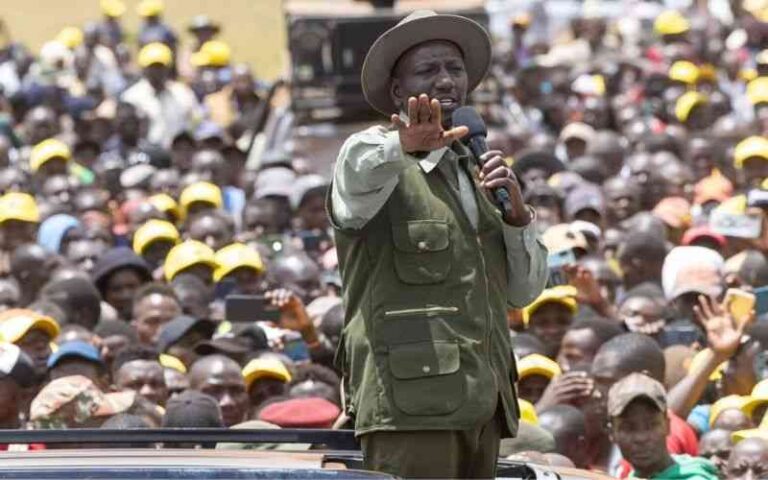
Mass deportation was a cornerstone of Trump’s re-election campaign. African governments are now the infrastructure making it possible.
Two Weeks and You’re Out
Under ECOWAS agreements, citizens of member states can stay in another bloc country for up to 90 days. But Kenvah Solutions, the private company contracted to house the deportees in Sierra Leone, told the BBC the migrants will only be kept at their facilities for two weeks before being transferred to their actual home countries.
So these people — already stripped of their lives in America — now face a second displacement. They are being processed like cargo.
Human Rights Groups Are Sounding the Alarm
This isn’t just morally uncomfortable. It may be illegal.
Human Rights Watch issued a stark warning last September, urging African governments to reject these arrangements outright. The organisation called them “opaque deals” that are “designed to instrumentalise human suffering.”
Critics argue that deporting people to countries they’ve never lived in violates international human rights standards and places vulnerable migrants in direct danger.
Ghana Tried to Draw a Line — But Still Crossed One
Ghana’s President John Mahama insisted his country would only accept fellow West Africans. “All our fellow West African nationals don’t need visas to come to our country,” he said in September, framing the deal as regional solidarity.
It sounds reasonable until you ask the harder question: did anyone ask these deportees if they wanted to come?
What This Means for You
If you are young, African, and living or studying abroad — or dreaming of it — pay attention. Your government may already have signed an agreement to receive you if America decides your visa isn’t worth the paper it’s printed on.
African leaders are quietly signing deals that treat their own citizens — and their neighbours’ citizens — as bargaining chips in exchange for undisclosed benefits from Washington.
The man who had to be dragged off that plane in Freetown deserves a name, a story, and an answer to one simple question: who agreed to this on his behalf?