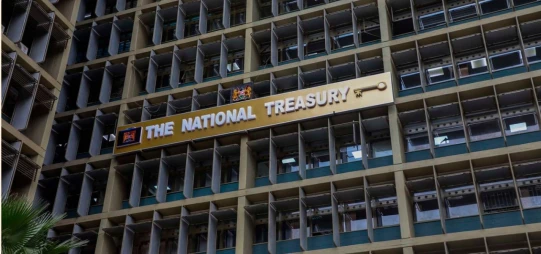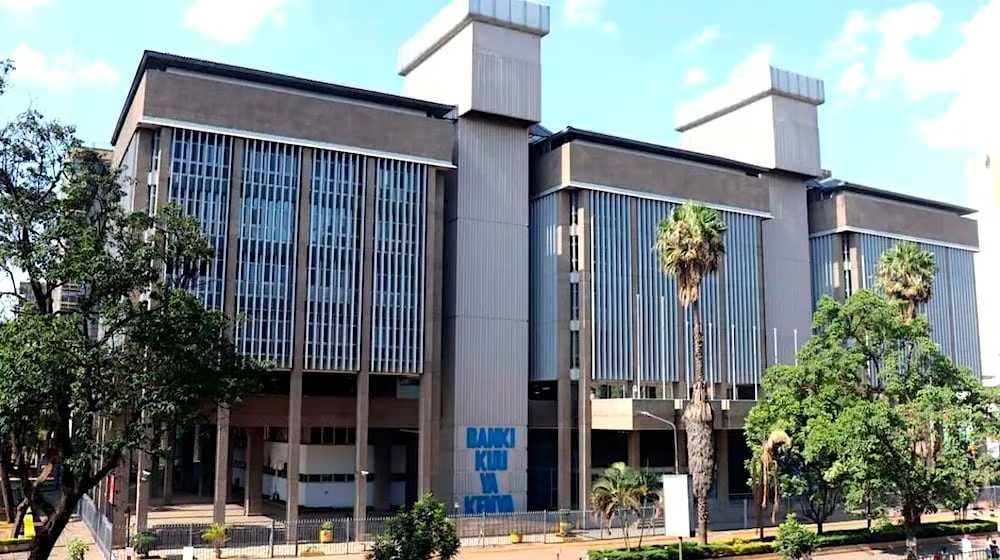
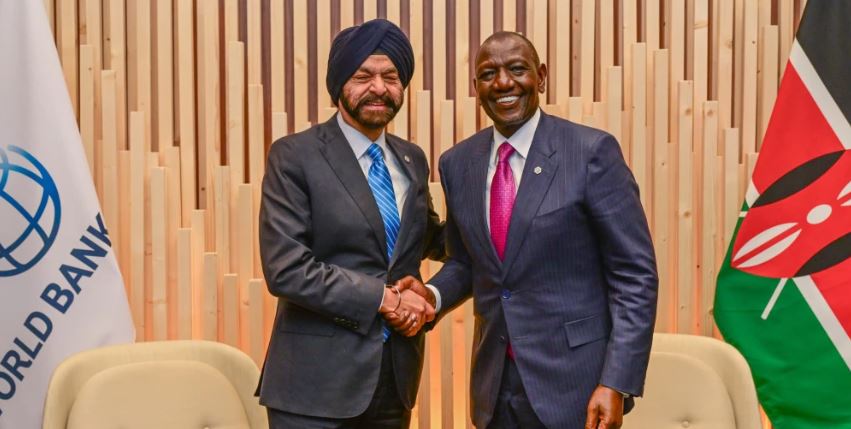
Kenya just secured a Ksh161.8 billion (USD 1.25 billion) loan from the World Bank — but the money did not come easy, and it did not come free of conditions. The central thesis here is straightforward: this loan is not charity, and it is not routine development financing. It is a structured bet by the World Bank that Kenya’s political class can be pressured into doing what it has historically refused to do — govern honestly, spend transparently, and stop treating public resources like a personal slush fund. Whether that bet pays off depends entirely on whether the government’s recent reforms are real or cosmetic.
A Loan That Parliament Almost Killed
The World Bank first received Kenya’s loan request in November 2024. It should have landed by mid-2025. Instead, it stalled — not because of bureaucratic delays in Washington, but because Kenya’s own Parliament dragged its feet on passing the Conflict of Interest Bill, one of the non-negotiable conditions attached to the financing. Let that sink in. Legislators, many of whom benefit directly from the opaque procurement systems this bill was designed to dismantle, held up over Ksh161 billion in development financing. The delay was not accidental. It was structural resistance dressed up as legislative process.
Kenya was also required to fully transition to automated government tenders before the funds could be unlocked. The logic is simple and damning in its implication: human contact in procurement is where corruption lives. Every tender that passes through a physical desk, every contract awarded in a closed room, is an opportunity for collusion. The World Bank knows this. Kenyans know this. The only people who pretended not to know were the ones profiting from the system. The shift to electronic government procurement is not a technical upgrade — it is a direct attack on a corruption ecosystem that has cost this country billions.
The loan package itself breaks down into a Ksh97.1 billion Development Policy Operation (DPO) — funded through Ksh44 billion from the International Bank for Reconstruction and Development and Ksh53 billion from the International Development Association — alongside additional financing for livelihoods and social protection. World Bank Division Director for Kenya, Qimiao Fan, was direct about the purpose: “This operation will help Kenya reduce leakage, generate fiscal savings, and ensure that public resources deliver better results and reach the people who need them most.” That sentence is a quiet indictment of how public money has been managed until now.
The Reforms Are Real — But So Is the Risk of Backsliding
To its credit, Kenya has moved. The government enacted a Conflict-of-Interest law and gazetted the Conflict-of-Interest Regulations 2026, which introduce stronger penalties, tighter disclosure requirements, and a clearer framework for investigating public officials who exploit their positions for private gain. These are not symbolic gestures — they close loopholes that have historically allowed powerful people to sit on both sides of a procurement table without consequence. The regulations represent the kind of structural reform that anti-corruption advocates have demanded for years, and their existence is genuinely significant.
The World Bank also pushed Kenya to implement a Treasury Single Account policy, directing all Ministries, Departments and Agencies to operate through one consolidated government account. This matters more than it sounds. Idle cash sitting in hundreds of separate ministry accounts has long been a source of misuse, costly overdrafts, and outright theft. Consolidation makes the money visible, auditable, and harder to quietly redirect. Similarly, the adoption of Kenya’s Enhanced Single Registry as the primary platform for identifying social protection beneficiaries is designed to ensure that cash transfers and assistance actually reach the poorest households — not politically connected intermediaries or ghost recipients.
The financing also extends dedicated livelihoods support to refugees and host communities, a recognition that vulnerability in Kenya does not stop at citizenship. The Social Protection (General) Regulations 2026 provide a clearer delivery framework for social assistance, and their inclusion in the conditions signals that the World Bank is watching not just fiscal management but human outcomes. Fan added that the reforms are also “helping establish the foundational, business-enabling environment necessary to support higher and more inclusive growth and for the private sector to create jobs.” That is the long game — governance reforms that make Kenya attractive to serious investors, not just extractive ones.
What This Means for Young Kenyans Who Are Watching
Here is the uncomfortable truth that every politically aware Kenyan under 35 already understands: the reason this loan needed anti-corruption conditions in the first place is that the default setting of Kenyan public finance is leakage. The NYS scandals, the COVID procurement fraud, the pending bills crisis, the ghost workers — these are not isolated incidents. They are symptoms of a system that has never been seriously forced to account for itself. The World Bank’s conditions represent external pressure doing the work that domestic accountability has consistently failed to do.
The implication is both hopeful and sobering. Hopeful, because the reforms now on paper — the Conflict-of-Interest Regulations, the electronic procurement systems, the Treasury Single Account — are the architecture of a more honest government. Sobering, because architecture means nothing without enforcement, and enforcement in Kenya has a long history of being selectively applied. The World Bank has made clear that fiscal and debt sustainability depend on the government staying on this reform path. That is not a suggestion. It is a warning. And for a generation of Kenyans who have watched public money vanish into private pockets for their entire lives, the question is not whether these reforms are necessary — it is whether the political will to sustain them outlasts the disbursement of the loan.