A six-year-old girl is lying in a Durban ICU with punctured lungs, a damaged liver and torn intestines. The system that was supposed to stop this had every warning. It did nothing.
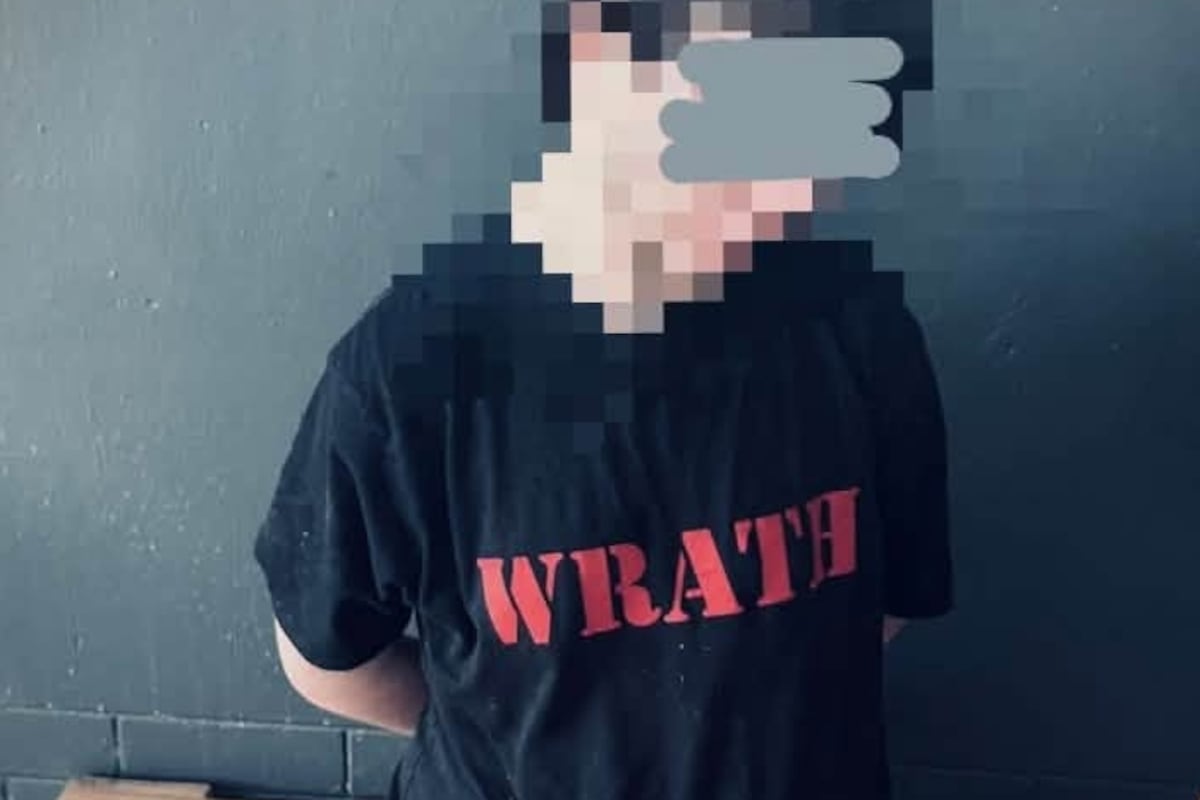
This week, a 16-year-old expelled student allegedly walked into a special needs learning centre in Umhlali, on KwaZulu-Natal’s north coast, and stabbed the child multiple times. Surgeons operated to repair the damage. Staff and children who witnessed the attack are now in trauma counselling. The school has been shut down. And the people who saw this coming are furious — because they tried to stop it.
Insiders at the learning centre say they flagged the teenager’s threatening behaviour to police long before Tuesday’s attack. Their warnings were ignored. A forensic psychologist who reviewed the case is calling this what it is: a failure of the justice system, on multiple levels, that endangered both the child who was stabbed and the teenager who carried out the attack.
The red flags were not subtle. Earlier this year, the teen — who had been expelled from the centre — allegedly wrote a 10-page manifesto expressing violent hatred toward people at the facility. The words “You’ll pay for what you did to me” appeared in the document. He allegedly expressed admiration for the Columbine High School shooters, the American teenagers who murdered 12 pupils and a teacher in 1999. According to the KwaZulu-Natal Hawks, he was also sending threats through the messaging app Telegram — threats so alarming that overseas users reported them directly to the FBI.
In March, the same teenager was arrested for intimidation in connection with an alleged bomb threat at a north coast mall. Security footage reportedly showed who placed a suspicious bag at the scene. There was allegedly a separate incident involving pepper spray against a customer. And yet the National Prosecuting Authority (NPA) declined to put the case on the court roll, citing insufficient evidence. A police insider disputes that explanation entirely, pointing to the camera footage and asking a question that deserves a real answer: who handed a suspected explosive device back to the boy’s mother?
“Everyone is shifting the blame to someone,” the insider said. “Everyone wants to blame someone.” That is precisely the problem. When institutions pass responsibility around like a hot coal, real people get hurt — and in this case, a first-grader paid the price.
Investigative forensic psychologist Dr Gérard Labuschagne is direct about what should have happened. Even without a successful prosecution, he argues, authorities had both the tools and the obligation to conduct a comprehensive violence risk assessment — one that would have mapped out the likely scenarios of harm and put a mitigation plan in place. That assessment never happened. “By not doing this,” Labuschagne said, “the offender and the little girl had both been failed.” He is right. A child is in intensive care. A teenager is heading to a youth facility at Westville Prison. Neither outcome was inevitable.
On Friday, the 16-year-old appeared briefly in a closed courtroom at the KwaDukuza magistrate’s court, represented by Legal Aid and accompanied by his mother. His manifesto alleges he was neglected by her and abused by his father — details that make the absence of any intervention even harder to justify. He now faces charges of attempted murder, assault and housebreaking. The case returns to court on October 30.
The Hawks say they are investigating possible links to radical groups and that they “cannot take this conduct lightly.” That is the right instinct — applied about six months too late. The teachers at that learning centre tried to get authorities to act. They were not heard. Now they are traumatised, the school is closed, and a six-year-old is fighting to recover from wounds no child should ever have to survive. Kenya — and every country where institutions routinely fail the vulnerable — knows this story. The names change. The negligence does not.