The War Nobody Expected Ukraine to Win Is Being Fought at the Pump
Here is what the official Russian narrative will not tell you: Ukraine is not just surviving this war — it is now hitting Russia where it genuinely hurts. Forget the frontline stalemates and the grinding territorial disputes. The most consequential battlefield right now is Russia’s domestic fuel supply, and Ukraine is winning it. The thesis is simple and damning: Ukraine’s sustained strikes on Russian energy infrastructure have forced Moscow into an economic retreat so severe that the Kremlin had to ban its own diesel exports to keep its citizens from running dry.
This is not a minor policy tweak. This is a superpower admitting, in public, that a smaller neighbour has compromised its ability to fuel its own country.
A Ban That Exposes Everything Moscow Tried to Hide
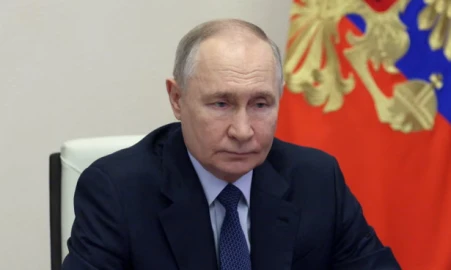
On the day the ban took effect, Deputy Prime Minister Alexander Novak stood before President Vladimir Putin in a government meeting and announced that Russia had prohibited diesel fuel exports, effective immediately and running until July 31. His stated reason — to “stabilise the situation” and allow “increased supplies to the domestic market” — is the kind of bureaucratic language that sounds calm and managed. It is neither. More than 90 percent of Russian regions have experienced fuel rationing or shortages since June, according to local media and regional officials. That figure alone should stop you cold. This is not a localised supply hiccup. This is a systemic collapse of fuel availability across the largest country on earth.
The government’s follow-up statement added that the restrictions would not apply to diesel exported under existing inter-governmental agreements — a careful carve-out designed to avoid diplomatic fallout with dependent allies. But even that caveat cannot disguise the core reality: Russia, a petrostate that built its entire geopolitical identity on energy dominance, is rationing fuel to its own people.
Ukraine’s Drone Strikes Are Doing Strategic Damage
Ukraine has not been throwing punches randomly. Its forces have systematically targeted Russian oil refineries and fuel depots for months, and the strikes have reached as far as Siberia’s Omsk region — thousands of kilometres from the front line. That geographic reach matters enormously. It means no Russian refinery is truly safe, and it forces Moscow to divert military resources to defend infrastructure that was never designed to be a wartime target.
The human consequences inside Russia are already visible. Some regions have introduced limits on the volume of fuel sold per customer. Others have gone further, banning the filling of jerry cans entirely to prevent hoarding. Social media videos — the kind of footage that bypasses state media entirely — show Russians arguing at petrol stations after queueing for hours. Putin himself acknowledged the shortages, though he insisted they were “not critical” and accused Kyiv of trying to create a “nervous situation in society.” The fact that he felt compelled to address it publicly is itself the tell.
What Putin’s Dismissal Actually Reveals
Putin’s response followed a familiar script. He claimed Russia’s energy system has “one of the highest safety margins in the world” and dismissed Ukraine’s objectives as “unachievable.” He also ordered officials to resolve the crisis “as soon as possible” in Kremlin-annexed Crimea, where shortages have been especially severe. That last instruction is the one that cuts through the bravado. You do not issue emergency orders to fix something you genuinely believe is under control.
Ukraine’s strategy is deliberate and coherent. By targeting refineries and depots rather than pipelines, Kyiv forces Russia to confront a crisis that is visible to ordinary Russian citizens — not just to energy traders or government economists. Long queues, rationing signs, and arguments at petrol stations are politically corrosive in a way that abstract GDP figures are not. Ukraine is not just damaging Russia’s economy; it is eroding the social contract that keeps Putin’s domestic support intact.
The export ban is Moscow’s most public admission yet that this strategy is working. And for a war that many wrote off as unwinnable for Ukraine, that matters enormously — not just in Kyiv, but in every capital watching this conflict and calculating what economic pressure can actually achieve.