A New Kind of Pressure
Picture this: you are a South African executive, a boardroom veteran who built your career navigating the post-apartheid economy, championing Black Economic Empowerment as both a moral imperative and a business strategy. Now, whispers are circulating that the United States government may be eyeing your visa status — not because of corruption, not because of sanctions violations, but because of where you stand on BEE.
That is the unsettling reality beginning to crystallise in South African business circles. Concerns are mounting that Washington’s expanding visa restriction toolkit could be weaponised against individuals who actively support or implement Black Economic Empowerment policies — a cornerstone of South Africa’s post-apartheid transformation agenda.
What Is Actually Being Said
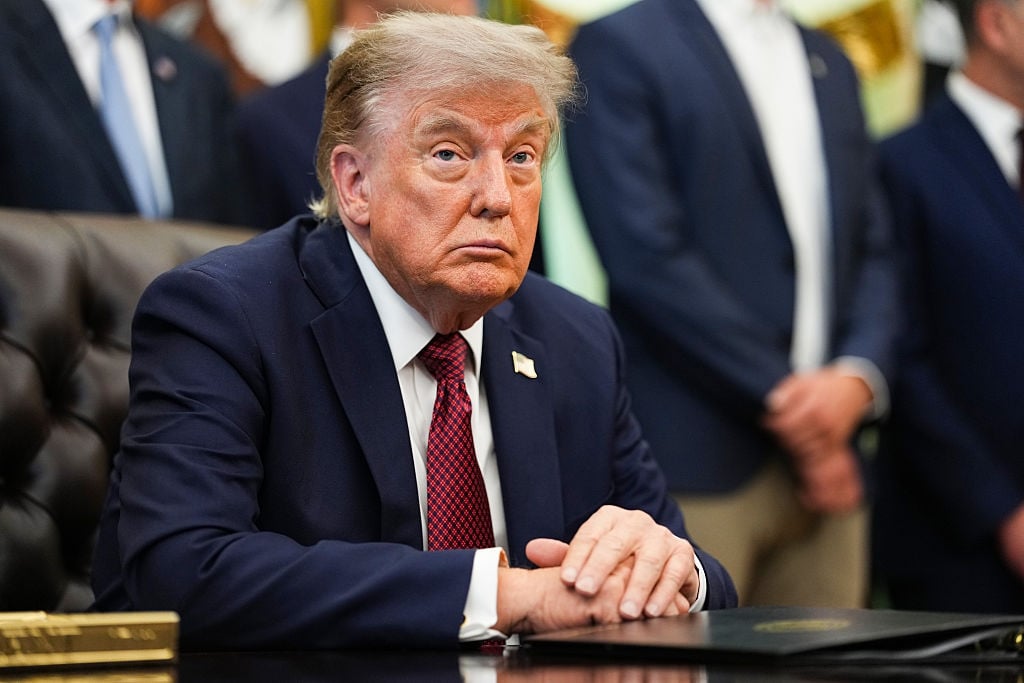
The alarm is not abstract. Business figures and policy analysts in South Africa are raising the possibility that the US, under its current administration’s aggressive posture toward what it frames as “racial discrimination,” could classify pro-BEE positions as grounds for travel restrictions. The logic, as chilling as it sounds, flows directly from the ideological war the Trump administration has declared on diversity, equity and inclusion frameworks — a war it is now exporting beyond American borders.
South Africa’s BEE legislation mandates that companies meet racial equity targets in ownership, management and employment — a direct response to the economic exclusion engineered by apartheid. To young Kenyans watching this unfold, the parallel is immediate: imagine foreign powers threatening Kenyan business leaders for supporting affirmative action or local content policies designed to correct colonial-era economic imbalances.
The Geopolitical Backdrop
This does not exist in a vacuum. The US has already moved aggressively against South Africa on multiple fronts in 2025 — slashing aid, expelling the South African ambassador, and publicly targeting the ANC government over its stance on Gaza and its relationships with Russia and China. The Expropriation Act and BEE have both been cited by American officials as evidence of what they call anti-white discrimination.
Elon Musk, himself South African-born and now a central figure in the Trump administration’s policy machinery, has been openly hostile to BEE, describing it as racist. His influence on US-South Africa relations cannot be dismissed as background noise — it is a structural force shaping how Washington reads Pretoria’s domestic policies.
Why This Should Alarm You
Here is what makes this moment genuinely dangerous. Visa restrictions are a soft power weapon with hard consequences. They do not require legislation, congressional approval, or even public announcement. A quiet entry into a database, and suddenly a CEO cannot attend a deal-closing meeting in New York, a finance minister cannot address the IMF, a young entrepreneur loses access to Silicon Valley networks.
For South Africa’s Black business community — people who built wealth and influence precisely by working within a transformation framework the state designed — the threat is existential in a very practical sense. Access to global capital markets, international partnerships, and diplomatic networks all flow through the kind of mobility that a US visa enables.
The Bigger Question Nobody Is Asking Loudly Enough
At its core, this situation exposes a fundamental tension that Africa’s rising professional class must reckon with directly. Western nations — particularly the US — spent decades pressuring African governments to adopt democratic governance, rule of law, and redress mechanisms for historical injustice. South Africa did exactly that, building BEE into its constitutional and legislative architecture with international encouragement.
Now, the same Western power is threatening to punish individuals for implementing those very frameworks. The message being sent, whether intentional or not, is that transformation is acceptable only when it does not redistribute economic power in ways that make white minorities uncomfortable. That is not a neutral policy position. That is a political statement with generational consequences for how African nations pursue justice on their own terms.
Where This Lands
For South Africa’s business leaders, the immediate task is clear-eyed risk assessment — understanding that their professional identities, built on transformation principles, may now carry geopolitical exposure. For the rest of Africa, and for young Kenyans in particular who are watching their own governments navigate relationships with an increasingly transactional and ideologically charged Washington, the lesson is sharper still.
The rules of engagement with the West are shifting. Policies rooted in correcting historical injustice are being reframed as discrimination. And the people who built careers on the right side of that history are now being told they may not be welcome at the table. That is not a concern at the margins — that is a crisis at the centre of what sovereignty and self-determination actually mean in 2025.