
The Women Feeding Kenya Are Being Left Out of the Policies That Affect Them Most
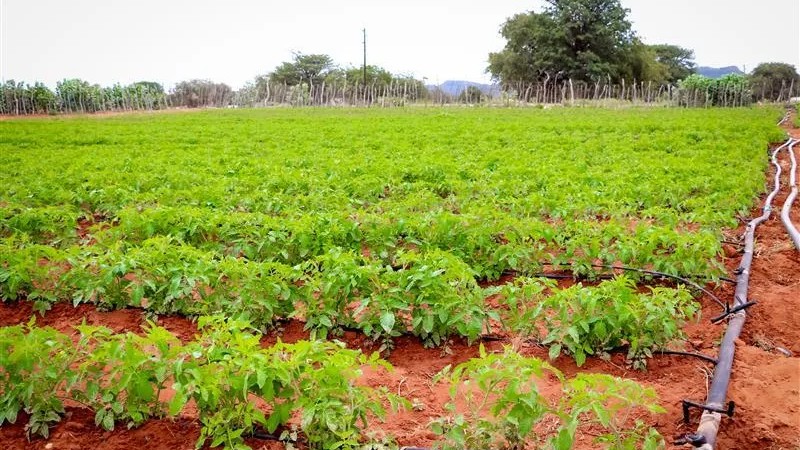
Women smallholder farmers grow the food on your table. They manage the land while climate change dismantles everything they’ve built. And yet, when governments sit down to write food and climate policy, these women are almost never in the room.
The Rural Women’s Assembly is done waiting for an invitation. The organisation is demanding that governments across Africa — Kenya included — stop treating women farmers as an afterthought and start recognising them as the backbone of food security they actually are.
This Is Personal. This Is Political.
In Kenya, women make up over 60% of the agricultural workforce. They plant, they harvest, they feed families through droughts and floods and rising input costs. But they own less land, access fewer loans, and receive less government support than their male counterparts.
That is not an accident. It is policy failure — sustained, documented, and inexcusable.
When the rains fail or food prices spike, it is women who absorb the shock first. It is women who skip meals so their children don’t. The hunger crisis in Kenya is not gender-neutral, and any policy that pretends otherwise is lying to you.
What the Rural Women’s Assembly Is Demanding
The Assembly’s call is not complicated. It does not require a task force or a two-year consultation process. It requires political will — something Kenyan leaders have repeatedly promised and consistently failed to deliver.
These are not radical demands. They are the minimum requirement for a food system that actually works.
Climate Change Is Not Waiting for Policy to Catch Up
The 2024 long rains in Kenya underperformed across multiple counties. Arid and semi-arid regions that women farmers depend on are becoming less predictable and more brutal every season. The window to build resilient food systems is closing.
Women farmers already practice some of the most climate-adaptive agriculture in the country — seed saving, intercropping, soil conservation. They are not waiting to be saved. They are asking to be resourced and heard.
The Government’s Track Record Says It All
Kenya’s Bottom-Up Economic Transformation Agenda promised to uplift grassroots farmers. The subsidised fertiliser programme was a headline. But women farmers — especially those in rural counties — largely report being bypassed by distribution networks controlled by men.
Promises without structural change are just campaign material.
Why Young Kenyans Should Care
If you eat food, this affects you. If you have a mother, grandmother, or aunt who farms, this is about her. If you believe Kenya’s future depends on feeding its own people, then the marginalisation of women farmers is your problem too.
The Rural Women’s Assembly is not asking for sympathy. They are demanding accountability — from Nairobi, from county governments, and from every institution that has collected data on women farmers and done nothing with it.
The question is whether anyone in power is finally ready to listen.