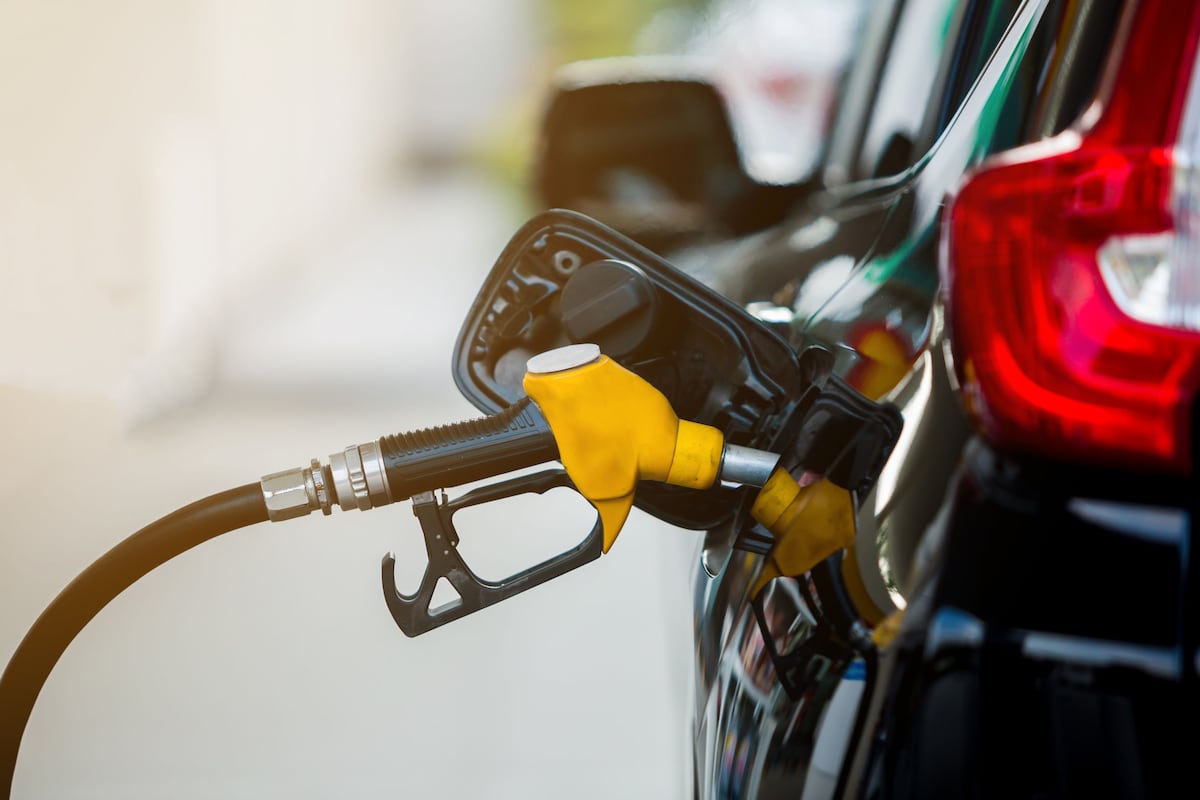
Picture this: it is Wednesday morning, the pump attendant replaces the numbers on the board, and just like that, the price of 95 unleaded petrol clears R30.25 per litre in Gauteng. A R3.33 jump, overnight, without warning, without apology. For millions of ordinary people who depend on a car to get to work, to school, to the market — this is not an economic statistic. This is a gut punch.
The Department of Mineral and Petroleum Resources confirmed the increases take effect on October 7, pointing squarely at the US–Iran conflict as the trigger for international supply disruptions. Average global prices for petrol, diesel and illuminating paraffin all surged during the review period, and as always, it is ordinary people who absorb the shock at the pump.
What makes this moment particularly bitter is the memory of what came before. When prices last spiralled out of control, the government suspended its fuel levy — a temporary relief measure that cost the state an estimated R17.2 billion in foregone revenue. That cushion is gone now, quietly withdrawn, and no one in power seems eager to bring it back. The silence from official quarters is deafening.
The ripple effects move fast and they move hard. When fuel prices rise, transport costs rise, and when transport costs rise, everything else follows — bread, vegetables, school fees, rent. South Africans who were already stretching every rand are now being asked to stretch further, with nothing left to give. Many are already weighing impossible choices: do you cut back on groceries, or do you finally figure out how to work from home?
This is the part that the official press releases never quite capture — the texture of daily sacrifice. It is the mother who skips a meal so her child can eat. It is the small business owner who cannot pass the cost on to customers who are just as broke. It is the young professional who moved to the city for opportunity and now questions whether the commute is even worth it anymore.
The calls for government intervention are growing louder, and they deserve to be taken seriously. A R17.2 billion levy suspension was possible once — the political will existed, the mechanism was there. The question is not whether relief is affordable. The question is whether those in power consider your survival a priority worth fighting for. Right now, the answer they are giving with their silence is not reassuring.
So here we are, at another crossroads that was entirely predictable and entirely avoidable, watching the price board change and wondering who, if anyone, is actually in your corner.