The Numbers Don’t Lie — But the Government Hopes You Won’t Notice
Kenya’s inflation hit 6.5 percent in July — the second-highest reading in two and a half years. That figure sounds clinical, bureaucratic, distant. It isn’t. It is the difference between catching a matatu to work and walking four kilometres in the rain. It is the difference between buying unga and skipping dinner. The Kenya National Bureau of Statistics (KNBS) released the data quietly, the way governments always release bad news — buried in tables, dressed in neutral language. But the story underneath is anything but neutral.
It Started With a War Nobody Here Voted For
Go back to the beginning of the year. In January, February, March — transport inflation was averaging a manageable 4.2 percent. Uncomfortable, yes, but survivable. Then the US-Israel war in Iran sent international crude oil prices surging, and by April, that shockwave had crossed oceans and landed at Kenyan petrol stations. Pump prices climbed. Quietly at first, then decisively. Nobody in Nairobi, Kisumu, or Mombasa had any say in the geopolitical decisions that triggered this chain reaction, but every Kenyan commuter is now paying for it — daily, in cash, at the stage.
By April, transport costs had jumped 10 percent compared to the same month the previous year. That was just the opening act. May arrived and transport inflation exploded to 16.5 percent — the fastest-rising category among the 13 sectors KNBS uses to calculate the Consumer Price Index. June held at 15.6 percent. July held at 15.6 percent again. The fuel prices at the pump were actually unchanged in July — diesel sat at Sh224.04 per litre, petrol at Sh214.95 — yet transport inflation refused to come down. That tells you something important: operators have baked the old price increases into their fares permanently, and they are not giving that money back.
The Matatu Is Not Your Friend Right Now
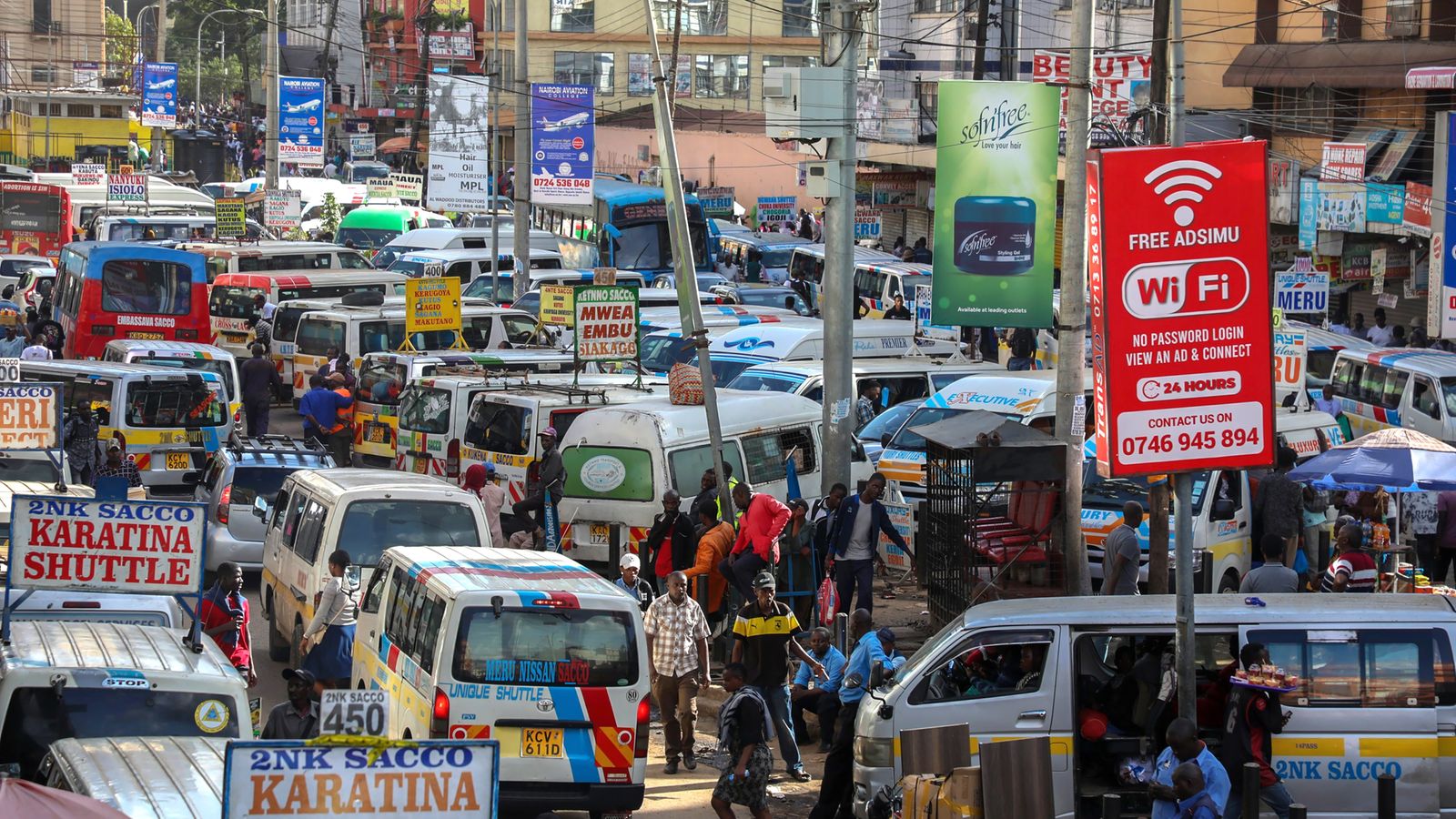
KNBS noted that inter-town bus and matatu fares dipped marginally between June and July — a crumb of relief that barely registers. What actually went up were boda-boda charges and fares for travel within towns. For millions of young Kenyans who depend on bodas to navigate the last mile — from the stage to the office, from the market to the estate — this is not a statistic. This is a daily tax on movement. Transport now accounts for 1.5 percentage points of the overall 6.5 percent inflation rate, making it the second-largest driver of headline inflation, trailing only food. Think about what that means structurally: the cost of moving is inflating faster than almost everything else in the economy, and it is pulling everything else upward with it.
Food Is Still the Heaviest Blow
Food and non-alcoholic beverages recorded annual inflation of 9.0 percent and contributed a bruising 2.6 percentage points to the headline figure — the single largest chunk. Yes, some staples got cheaper in July. Tomatoes fell 3.7 percent. Carrots dropped 3.6 percent. Sifted maize flour eased 1.6 percent. Beans and cooking oil also softened slightly. That is real, and it matters. But beef went up. Potatoes went up. Onions and kale — the backbone of a cheap Kenyan meal — went up. The relief is partial, patchy, and entirely dependent on seasonal harvests that could reverse next month. Do not let the government point at cheaper tomatoes and call it a win.
Your Electricity Bill Is Also Coming for You
Housing, water, electricity, gas and other fuels rose 3.2 percent annually, adding another 0.5 percentage points to the inflation total. The granular numbers are worse than the average suggests. Households consuming 200 kilowatt-hours saw electricity charges rise 3.1 percent to Sh5,648.30. Smaller consumers on 50 kilowatt-hours paid 3.5 percent more, now at Sh1,286.84. The one genuine piece of good news in the utilities basket: a 13-kilogramme LPG cylinder fell 1.1 percent to Sh3,432.21. Marginal. But real. Hold onto it, because the rest of the bill is moving against you.
What This Actually Means for You
Here is the through-line that the official press releases will never state plainly. A war in the Middle East raised oil prices. Those oil prices raised fuel costs in Kenya. Those fuel costs raised transport fares. Higher transport fares raised the cost of distributing food, goods, and services across the country. Higher distribution costs raised retail prices. And now, even after fuel prices stabilised at the pump in July, the entire chain remains elevated — because businesses and operators have already adjusted their pricing floors upward and have no incentive to lower them. The inflation you are feeling is not a blip. It is structural. It is embedded. And the people making decisions in Nairobi have not offered a credible plan to reverse it.
The May reading of 6.7 percent — the highest since January 2024 — briefly looked like a peak. July’s 6.5 percent suggests we are not heading sharply downward. We are plateauing at a painful level. For a young Kenyan trying to save money, build something, survive the month — that plateau is not stability. It is suffocation at altitude. Keep your eyes on these numbers. They are not abstract. They are your life, priced monthly, by people who answer to no one.