The Show That Raised Her
Think about this for a second: Millie Bobby Brown was 10 years old when she first stepped into the Upside Down. She is now 22. That means more than half of her entire life — the years that shaped who she is, how she thinks, who she loves — happened on the set of Stranger Things. So when the cameras finally stopped rolling, when the Netflix hit wrapped its fifth and final season, what exactly was she supposed to do with herself? The answer, it turns out, was struggle.
Before the Cameras Stopped
Long before the finale aired on New Year’s Eve, Brown already sensed something was ending that could never be replaced. The cast — Finn Wolfhard, Sadie Sink, Caleb McLaughlin, Gaten Matarazzo, Joe Keery — were not just colleagues. They were her people. She saw them more consistently than she sat down for dinner with her own family. That kind of bond doesn’t dissolve cleanly just because production wraps. So Brown did something most people in her position would never admit to: she spent January actively reaching out to each of them, trying to resolve any lingering tensions, making sure the friendships would survive the show’s end. “They probably thought I was crazy,” she said. She knew the risk of losing them and chose to fight for those relationships anyway.
The Slump Nobody Saw Coming
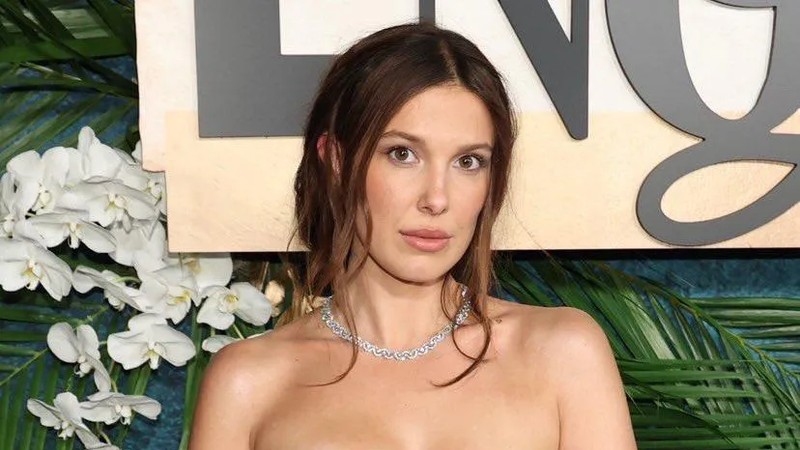
Brown went public about all of this during a live recording of Josh Horowitz’s Happy Sad Confused podcast on June 24 at the 92nd Street Y in New York — and she didn’t soften the truth. “I went into a little bit of a slight, slight depression,” she told the audience. “It was very hard for me. I would not have expected that coming off the show. I’m a very happy-go-lucky person.” That last line is important. Brown wasn’t performing vulnerability for sympathy points. She was genuinely caught off guard by her own grief — and that honesty hits differently than the polished press-tour answers we usually get from Hollywood stars. For the first time in over a decade, she had no next season waiting for her. No Eleven to return to. No Hawkins. Just a blank calendar where her identity used to be.
What Actually Happened to Eleven
Here’s where the official narrative gets deliberately murky — and the Duffer brothers want it that way. In the finale, Eleven appears to sacrifice herself by staying behind in the Upside Down, leaving her fate deliberately unresolved. The co-creators confirmed in their post-finale interview that Eleven does not communicate with Mike in any way after that moment, and that even if she survived, a reunion would be unlikely. Ross Duffer described the ending as intentionally “bittersweet,” saying the goal was never a clean resolution — they wanted something with “hope there,” but not a neat bow. And on the night the finale dropped, the Duffer brothers sent Brown a text with one clear instruction: say nothing. “They were like, ‘Do not tell anyone. Because we made it a secret kind of pledge,'” Brown revealed.
The Belief That Gets Her Through
Brown’s castmate Noah Schnapp isn’t playing coy about his read on the situation. At a recent fan appearance at PeopleCon, he asked the crowd if anyone believed Eleven was dead, waited for a few uncertain murmurs, then waved his finger and delivered his verdict: “No, she’s alive” — thumbs up, big smile. Brown herself holds the same conviction, though she frames it with a rawness that Schnapp’s crowd-pleasing moment doesn’t quite capture. “All people say now is, ‘Do you believe?’ And of course I believe. I have to believe, honestly — otherwise January will come around again,” she said, referencing the post-show depression that blindsided her. When Horowitz polled the live podcast audience on Eleven’s survival, between 80 and 90 percent raised their hands in belief. “We have a hopeful audience. I love that!” Brown responded. But underneath the warmth, the subtext is clear: for Brown, believing Eleven survived isn’t just fan speculation. It’s a coping mechanism. It’s how she keeps the grief from swallowing her whole.
Why This Matters Beyond the Show
Here in Kenya, we don’t always have the luxury of discussing celebrity mental health without someone rolling their eyes and saying “she’s rich, what does she have to be sad about?” But Brown’s experience speaks to something universal and politically inconvenient: identity doesn’t care about your bank account. When a significant part of your life — your community, your purpose, your daily structure — disappears overnight, the emotional fallout is real regardless of your net worth. Young Kenyans who have lost jobs, left universities, or watched long-term plans collapse overnight know this feeling intimately. The context differs wildly, but the psychological mechanism is identical. Grief over lost belonging is not a privilege. It is a human condition. And the fact that Brown chose to name it publicly, without a publicist’s safety net, without hedging into vague wellness language, is worth acknowledging. She said depression. She said it was hard. She said she didn’t see it coming. That kind of directness is rarer than it should be.