SPAR Is Bleeding in Court — And Calling It Normal
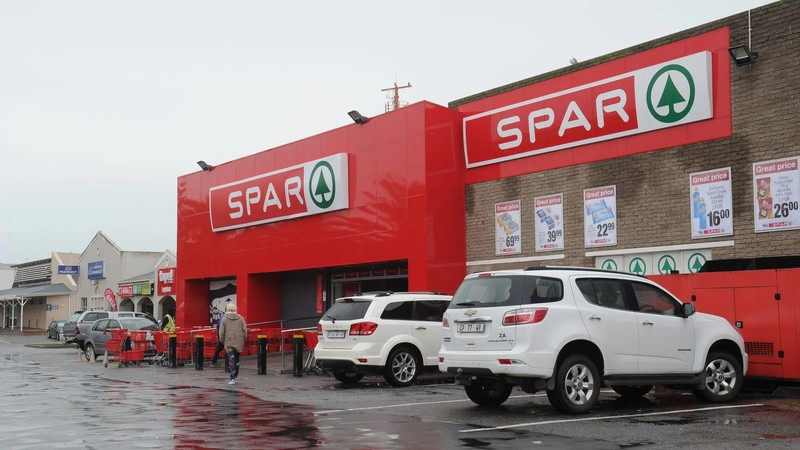
SPAR Group, one of Kenya’s and South Africa’s most recognisable retail giants, is drowning in litigation. More than 20 court cases. Fraud allegations against senior executives. A R1.6 billion software disaster. And a CEO who just walked out the door. Yet SPAR’s official line remains breathtaking in its audacity: this is just how retail works.
Don’t buy it. Here’s what’s actually happening.
One Family Has Beaten SPAR 14 Times in Court
The Giannacopoulos family — SPAR’s largest former franchisee, running 46 Spar, SuperSpar and Tops stores across KwaZulu-Natal — has taken SPAR to court repeatedly since 2019. They have won every single time. Fourteen cases. Eleven in the High Court. Three in the Supreme Court of Appeal.
Courts have repeatedly found that SPAR acted in bad faith. That is not a coincidence. That is a pattern.
It started in October 2019 when the Giannacopoulos brothers were removed from the SPAR membership guild at a hearing they were never told about. The very next day, SPAR obtained court orders in both Pretoria and Pietermaritzburg, claiming the brothers’ stores owed it money — and seized control of those stores.
Only after the family launched an urgent court application did they get their businesses back. Fraud and perjury charges were later filed against senior SPAR executives, with allegations that false statements were made in court affidavits about development loans.
The Software Disaster That Cost R1.6 Billion
In early 2023, SPAR rolled out a new SAP S/4HANA system at its KwaZulu-Natal distribution centre. It collapsed spectacularly. Supply chains broke down. Shelves went empty. Customers walked away and didn’t come back.
The estimated damage: R1.6 billion in lost turnover and approximately R720 million in lost profit by September 2023 alone. SPAR was forced to supply KwaZulu-Natal stores from other regional centres, driving up costs — and ultimately had to suspend dividends.
The Giannacopoulos family has now filed a R168.7 million lawsuit in the Durban High Court directly linked to this failure. Their claim includes R142.9 million in lost gross profit and margin losses spanning 2023 to 2025.
They are not alone. 13 other SPAR retailers have filed a separate lawsuit over the same SAP disaster. These retailers allege they were contractually locked into SPAR’s regional distribution system and its mandated software — and when that system failed, they were left with nothing. Worse, they allege SPAR then denied them rebate benefits because their purchases fell below growth thresholds — thresholds they couldn’t meet because SPAR itself had failed to supply them stock.
A Buried Audit Report and Threats of Defamation
A BDO audit report — commissioned in connection with a failed acquisition of SPAR’s Bloed Street Tops store in Pretoria — allegedly uncovered inflated gross profit figures, underdeclared output sales, and overdeclared input sales. If accurate, that is a potential violation of the VAT Act.
SPAR’s response? Dispute the findings and demand the report be destroyed, threatening defamation proceedings against anyone who kept it. Those demands were rejected.
The CEO Is Gone. The Company Is Spinning.
In February 2026, CEO Angelo Swartz resigned. SPAR’s share price immediately dropped 7.33%. CFO Reeza Isaacs stepped in as CEO from March 1, 2026, inheriting a company facing mounting legal exposure, a reputational crisis, and a restless franchisee base.
SPAR’s official position is that “isolated legal conflicts are an inherent part of operating a large retail network.” But 14 consecutive court losses against a single franchisee, fraud allegations against executives, a billion-rand software catastrophe, and a buried audit report are not isolated incidents.
Why This Matters to You
If you shop at SPAR — and millions of East Africans do — the company managing your local store’s supply chain is the same one courts have repeatedly found acted in bad faith toward its own partners. The same one that locked franchisees into systems that failed them, then punished them financially for the fallout.
Large corporations routinely frame systemic failures as routine business noise. The courts, in this case, keep disagreeing. So should you.