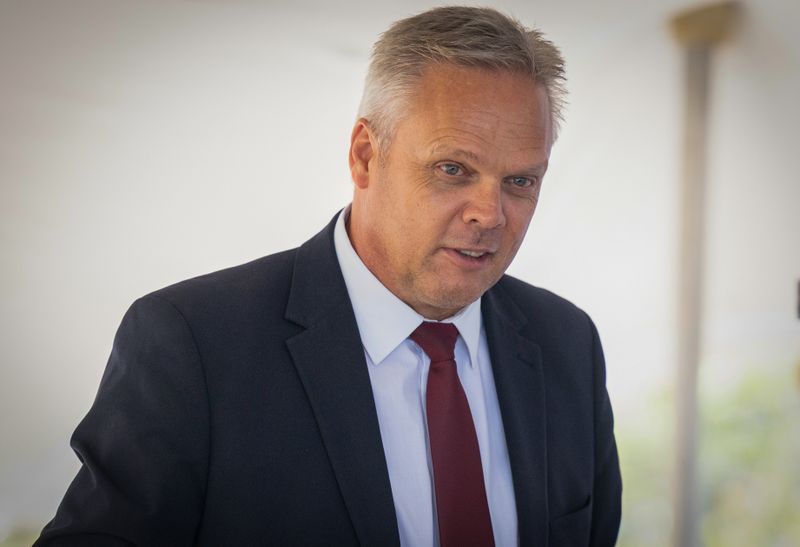
Here is the uncomfortable truth that South Africa’s Agriculture Minister Willie Aucamp is trying to get across before it is too late: the rains that fell in September are not a sign that everything will be fine. They are a distraction. A false comfort. And if municipalities, farmers, and ordinary citizens read them as permission to relax, the consequences this summer could be catastrophic.
Aucamp issued his warning on the sidelines of the AgriSA congress in Irene this week, and the message was blunt — do not be deceived. “I think we are going to have a very hot and dry November, December and January,” he told Daily Maverick. “We’ve got early-warning systems, but this is going to be next level.”
The current El Niño event is widely regarded as the strongest on record, and it is expected to persist until at least February — which means it will grip South Africa precisely during the critical summer growing season, when maize and other staple crops need water the most. El Niño typically delivers drought to southern Africa, and this one arrives with unusual ferocity.
Why are municipalities the real pressure point here?
Aucamp’s sharpest concern is not the weather itself — it is the politics of the response. He is urging municipalities to implement water restrictions now, proactively, before a formal disaster declaration forces their hand. “We cannot have a situation where municipalities wait too long to implement what is required, and then water restrictions might have to be implemented on the farming community,” he said. “We can’t get to a point where they can’t irrigate their crops.”
With municipal elections looming on 4 November, the political calculus is painfully obvious: no local councillor wants to be the one who told residents to use less water right before an election. But that short-term political cowardice could translate directly into crop failures and food price shocks that hit the very voters they are trying to court. The irony is brutal.
It is worth noting, too, that millions of South Africans already live with effectively permanent, unplanned water restrictions — not because of El Niño, but because of collapsing local government infrastructure. The drought will expose and deepen every crack that already exists in the system.
What does this mean for food on your table?
Aucamp’s department is advising commercial farmers to concentrate planting on their most fertile land and abandon marginal areas entirely this season — a rational, if painful, concession to what is coming. The government’s Crop Estimates Committee will release its first read on planting intentions on 27 October, and that number will tell a significant story about how seriously the sector is bracing for impact.
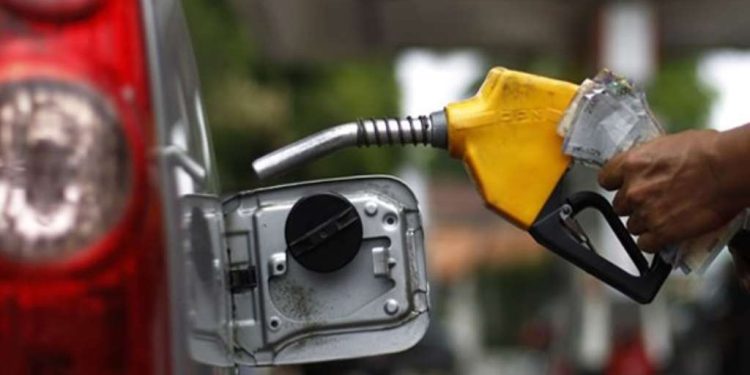
The pressure on farmers does not stop at drought. Fertiliser prices have surged by more than 300% since Russia’s 2022 invasion of Ukraine, and fuel costs continue to climb — meaning that even farmers who manage to plant will face brutal input costs before a single seed germinates. The margin for error is essentially zero.
On the livestock side, Aucamp is urging farmers to reduce herd sizes now to prevent overgrazing as pastures dry out, and to cull unproductive animals rather than carry dead weight through a drought. “Rather have less stock but stock of good quality,” he said. “We can always build up that stock again.” Meanwhile, the foot-and-mouth disease outbreak adds another layer of pressure — 70% of the national herd of over 13 million cattle has been vaccinated, with an 80% target set for year-end.
Buried beneath all of this is a land reform commitment that Aucamp, barely three and a half months into his portfolio, insists is not forgotten. His department is identifying 100 farms per province currently rented by Black farmers from the government, with the goal of transferring title deeds directly into those farmers’ names. “You’re not going to invest in a farm if it’s not yours,” he said. “You can use it as collateral to obtain finance.” That is a simple, powerful truth — and it deserves far more attention than it is currently getting.