“A Bottomless Pit”: Durban’s Repatriation Crisis Is Spiralling Out of Control
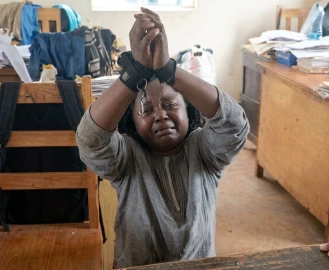
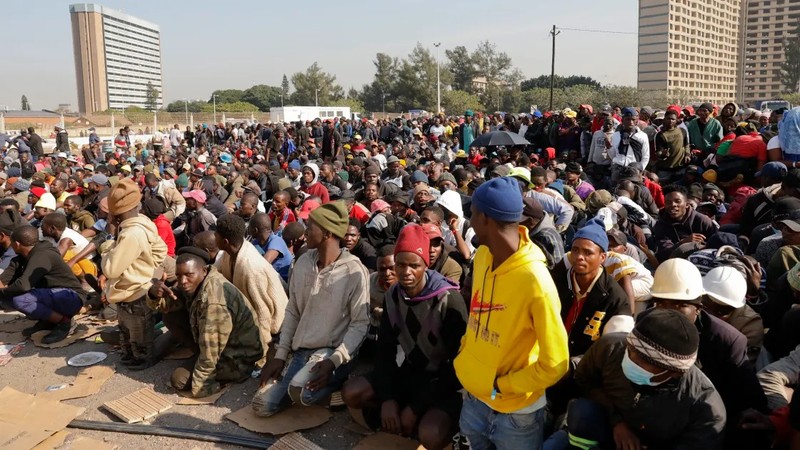
Thousands of undocumented Malawian nationals are stranded at Durban’s Old Drive-In site, sleeping on pavements, turned away at gates, and caught in a bureaucratic nightmare that nobody planned for. The South African government called it a repatriation operation. Right now, it looks like organised chaos.
The Numbers Don’t Lie — But Nobody Knows What They Are
Home Affairs KwaZulu-Natal manager Cyril Mncwabe admitted on Monday that authorities have lost count. His estimate: somewhere between 7,000 and 8,000 people currently at the Durban Drive-In site. That number is climbing daily.
He called the site a “bottomless pit.” No cut-off date. No ceiling on arrivals. Just a continuous stream of desperate people with nowhere else to go.
“The number of how many there are is very, very difficult,” Mncwabe said. “We can just estimate.”
The System Broke Down Before It Even Started
The original plan was straightforward: everyone moved from the Sherwood site would be registered and issued a wristband before arriving at the drive-in. That plan collapsed on Sunday night.
Buses from Pietermaritzburg dropped off people who had never been part of the original Sherwood camp — strangers to the registration system — on the roadside. The municipality then transported them to the drive-in anyway.
By Monday morning, officials had already dispatched 11 buses, nine of which had departed. But new arrivals kept coming, dropped off by e-hailing vehicles and private transport, some sleeping outside the gates overnight because they were turned away.
Real People. Real Consequences.
Dawood Musa travelled from Tongaat after his employer, fearing for his own safety, told him to go home. He made the journey. He was turned away at the gate.
Mariam Hassan arrived Sunday afternoon with her five-year-old daughter. They spent the night outside. “They told us there is no space for us here,” she said.
These are not statistics. These are people who did exactly what they were told — and still ended up on the street.
Bureaucracy Is Slowing Everything Down
Home Affairs Minister Leon Schreiber confirmed the uncomfortable truth: the vast majority of immigrants at the site are undocumented. Most don’t have passports. The Malawian High Commission is scrambling to issue group passports — a process that cannot be rushed.
Every single person must be individually verified. Those found to be in the country illegally face a five-year ban from re-entry. The South African Police Service is simultaneously screening everyone for outstanding criminal warrants.
Mncwabe was blunt: “None of these people are legal. All of them are undocumented and illegal in this country.” He warned it could take several more weeks to process everyone — while numbers keep rising.
Malawi Isn’t Ready Either
KwaZulu-Natal Premier Thami Ntuli publicly called out the Malawian government for not providing enough buses to collect its own citizens. Malawi has formally declared the repatriation a national humanitarian mission — an acknowledgment that the scale of this crisis has overwhelmed the country’s capacity.
The Malawian government is now appealing to businesses and international partners for emergency funding and transport to repatriate at least 10,000 people.
500 People Stranded in Johannesburg — Because of a Permit
In a detail that captures just how badly this operation has been managed: approximately 500 Malawians, mostly women and children, ended up stranded in Johannesburg over the weekend. They boarded buses from Cape Town and Durban believing they were going home.
The buses didn’t have the permits required to cross the border. They were dropped at the Malawian consulate in Sandton instead.
Nobody told them this would happen.
What This Is Really About
This crisis did not emerge from nowhere. These are people who were forced from their homes, lost their jobs, and fled threats — now caught between two governments struggling to coordinate a response to a humanitarian emergency they were not prepared for.
The South African government is processing. The Malawian government is appealing for donations. And at the Durban Drive-In, thousands of people are waiting — some inside, some still outside the gates — for a system that keeps describing itself as overwhelmed to finally get them home.