Blood on the Ground in South Kivu
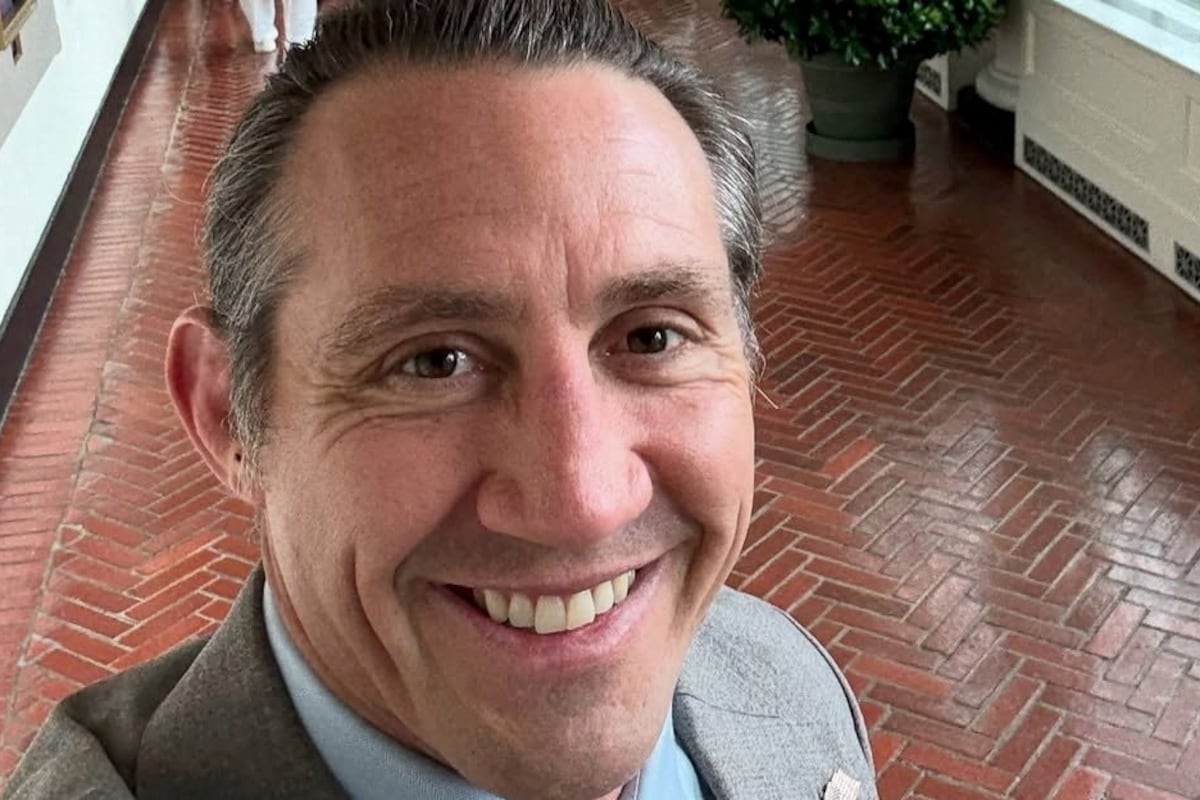
On the morning of September 17, somewhere in the dense, mineral-rich terrain of South Kivu in eastern Democratic Republic of Congo, a convoy of private military contractors was moving between locations when the ambush hit. No warning. No mercy. When the smoke cleared, at least 20 people were dead or wounded — among them Congolese civilians, a former New Zealand special forces operative, and a man with millions of social media followers and three fresh bullet holes in his leg: ex-UFC fighter Tim Kennedy.
This is not a story the official channels want you to sit with. The DRC government stayed quiet. Rwanda denied everything. The US State Department declined to comment. And yet, ten sources — some with direct knowledge of the attack, others briefed on the outcome — spoke to Reuters and painted a picture that is impossible to look away from.
Erik Prince Is Back, and He Never Really Left
If the name Erik Prince rings a bell, it should. He is the founder of Blackwater, the private military company whose contractors were convicted of massacring Iraqi civilians in Baghdad’s Nisour Square in 2007 — before Donald Trump pardoned them in 2020. Prince has long operated in the grey zone between geopolitics and profit, and the DRC is simply his latest theatre.
Through his company Vectus Global, Prince embedded himself into the DRC’s conflict economy under the initial mandate of securing and improving revenue collection from the country’s vast mineral reserves — tantalum, gold, lithium, the raw materials that power your phone and your electric car. But mandates have a way of expanding when there is money and power at stake.
By January and early February of this year, Vectus forces had deployed to Uvira, a strategic town in South Kivu, after Washington helped broker a deal for Rwanda-backed M23 rebels to withdraw. Prince’s men were not just consulting anymore. They were on the frontline of an active conflict, doing the work that no government wanted to officially own.
The Ambush the World Was Not Supposed to Know About
The attack was not random. Two sources told Reuters that the Rwandan military carried out the ambush directly. A third source, working inside the DRC government, said Rwandan forces may have tracked a surveillance drone back to the Vectus team’s position — a sophisticated intelligence operation that speaks to real military capability, not a ragtag rebel militia. This was deliberate. This was coordinated.
The dead included at least seven Congolese nationals and a former member of New Zealand’s elite special forces. The wounded included Kennedy and at least one other foreign contractor. Villagers, according to a DRC security source, were likely among the casualties too — the kind of detail that gets buried in the footnotes of official narratives but represents entire families destroyed in an instant.
A Vectus Global representative declined to comment. The company has, notably, never previously suffered casualties in the DRC. This September was a first — and a brutal one.
Tim Kennedy: The Face That Makes This Real
Tim Kennedy is not just any contractor. He is a former US Green Beret, a UFC veteran, a father of four, and a man with millions of followers who tune in to hear him talk about manhood, sacrifice, fitness, and politics. In late August, just weeks before the ambush, he posted about having “incredible conversations about what being a man means and what sacrifice really looks like” with his son. He said nothing about heading to Congo.
Kennedy survived — three gunshot wounds to the leg, and he is now receiving treatment at the Walter Reed National Military Medical Centre outside Washington DC. His parents did not respond to requests for comment. The US State Department declined to comment. Walter Reed declined to comment. The silence from every official direction is deafening, and it tells you everything about how uncomfortable this story makes powerful people.
Trump, a devoted UFC fan who has hosted fights at the White House this year, has not commented on the wounding of one of the sport’s most recognisable veteran figures in a conflict zone where his ally Erik Prince is running private military operations. That silence is a statement in itself.
Congo’s Minerals, Rwanda’s Ambition, and Your Complicity
The eastern DRC has been burning for decades, and the fuel is always the same: minerals. The tantalum in your phone. The lithium in your laptop. The gold in your jewellery. M23, the rebel group backed — according to the UN and Western governments — by Rwanda, has made rapid territorial gains since fighting intensified last year, sweeping through mineral-rich territories while Kigali officially denies any involvement.
Rwanda denies backing M23. The UN says otherwise. Western governments say otherwise. And now, a sophisticated ambush that multiple sources attribute to the Rwandan military has killed and wounded dozens of people, including foreign contractors operating under the umbrella of a Trump-connected billionaire’s private security firm. The story is not complicated. The accountability is what is missing.
The Trump administration has been trying to broker peace deals in eastern DRC, partly motivated by the region’s enormous mineral wealth and the geopolitical contest over who controls it. Prince’s expanded role is not accidental — it is a feature of a foreign policy that has always preferred private actors over public accountability.
What This Means for the Rest of Us
“It reinforces the need for DRC sovereignty to be restored. It’s an incredibly dangerous place right now,” one source with direct knowledge of the attack told Reuters. That line deserves to sit with you for a moment. Because DRC sovereignty has been violated not just by Rwanda-backed rebels, but by the very private military infrastructure now claiming to defend it.
For young Kenyans watching this unfold, the lesson is not abstract. East Africa’s stability is intertwined with what happens in eastern Congo. The refugee flows, the mineral trade routes, the regional military posturing — all of it lands on this continent’s doorstep. Private armies funded by foreign billionaires and operating in the shadows of US foreign policy are not a distant American problem. They are an African reality, and the September 17 ambush in South Kivu just ripped the curtain back.
The question now is not whether Erik Prince’s forces suffered a battlefield loss. They did. The question is who is truly paying the price — and whether anyone with actual power will ever be held responsible for it.