Here is the uncomfortable truth Kenya’s small fashion businesses need to hear: the global market does not wait for anyone, and right now, the window is open. The 2026 East Africa Fashion Life Show is not just another expo with branded booths and handshakes that lead nowhere. It is a concrete, structured opportunity for Kenyan SMEs to break into international trade — but only if they treat it like the strategic move it actually is, not a photo opportunity.
The thesis is simple: Kenyan fashion and textile businesses have the products, the creativity and the hunger — what they have consistently lacked is structured access to international buyers and the right partnerships to scale. That gap is exactly what events like this are designed to close, and the stakes for young Kenyan entrepreneurs have never been higher.
The Access Problem Is Real, and Partnerships Are the Answer
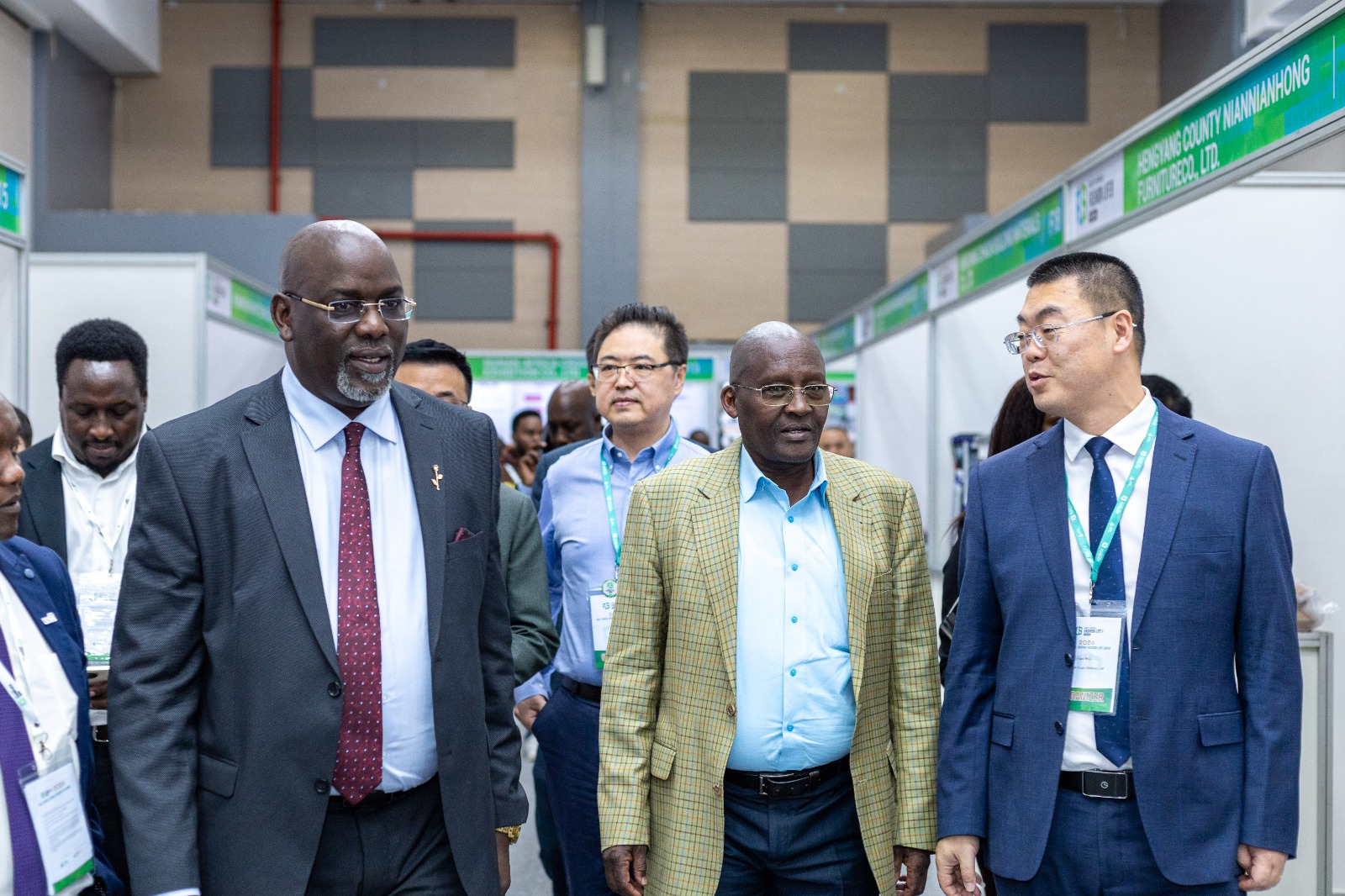
Kenya National Chamber of Commerce and Industry (KNCCI) President Dr Erick Rutto was direct when he addressed attendees: the Fashion Life Show creates “a valuable meeting point for Kenyan enterprises and international buyers, manufacturers, distributors and investors.” That is not marketing language — that is a description of infrastructure that most Kenyan SMEs simply do not have on their own.
KNCCI National Director Ken Onditi pushed the argument further, pointing out that stronger business partnerships are essential for local enterprises trying to compete in an increasingly cutthroat global economy. The logic is airtight: no single Kenyan SME can afford the market research, logistics networks and buyer relationships that a well-structured international partnership provides. The alternative to collaboration is not independence — it is irrelevance.
Onditi specifically highlighted the potential for technology transfer alongside market access, which matters enormously. Young Kenyan designers and manufacturers are not just looking to sell; they are looking to upgrade their production capacity and understand global supply chains from the inside. A platform that connects them directly with Chinese manufacturers and international distributors offers both.
China Is Not the Enemy — It Is a Leverage Point
The Kenya-China commercial relationship makes many Kenyans instinctively defensive, and that skepticism is earned. But the framing here deserves a harder look. Afripeak Expo Kenya Managing Director Gao Wei described the show’s expansion as a direct response to growing demand from African buyers for “direct and meaningful engagement with manufacturers, suppliers and buyers” — not passive consumption of Chinese imports, but active, business-to-business negotiation.
The products on display span an unusually wide range: textiles and apparel, footwear, fashion accessories, beauty products, household goods, electronics, home appliances, lighting and packaging solutions. For a Kenyan SME owner thinking beyond clothing into the full lifestyle and consumer goods ecosystem, that breadth is genuinely significant. It means the conversation can move beyond the traditional buyer-seller dynamic into co-production, licensing and export partnerships that benefit both sides.
The deeper point is this: the Kenyan creative economy — fashion, cosmetics, home décor, consumer goods — is sitting on real commercial potential that keeps getting undervalued because local businesses lack the networks to prove it internationally. An exhibition that puts Kenyan enterprises in the same room as global distributors and investors is not a concession to foreign dominance. Used correctly, it is a tool for Kenyan businesses to set their own terms.
The Implication Is Clear
If you are running a textile business, a fashion label or a beauty brand in Kenya right now, the question is not whether the global market is accessible. The question is whether you are positioning yourself to access it before someone else fills that space. The 2026 East Africa Fashion Life Show is one structured answer to that question — but the opportunity only materialises for businesses that show up prepared, with a clear pitch, a partnership strategy and the willingness to negotiate beyond the first handshake. The window is open. The move is yours.