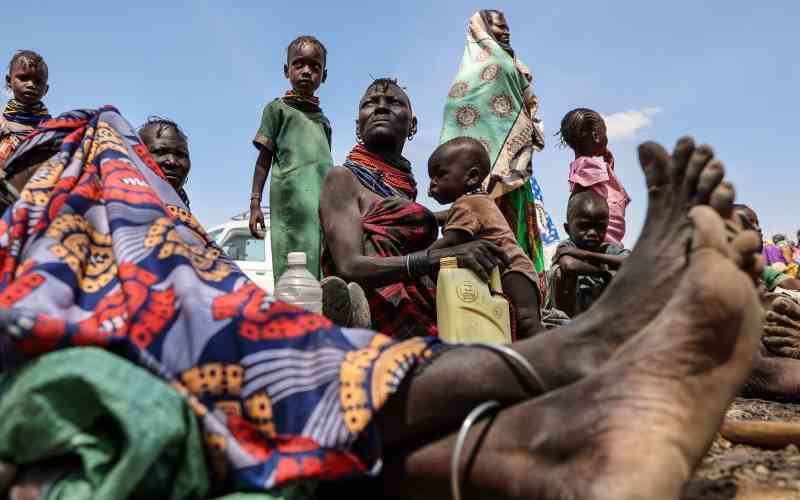
Schools are about to reopen, and thousands of Kenyan children — especially those in arid and semi-arid lands — are not going back. Not because they don’t want to. Because they are hungry, they have no uniforms, no bedding, no money, and no realistic way to get any. In Turkana, local leaders report that only about 20 per cent of school-going children have returned to class, despite national directives ordering learners to resume regardless of fees or uniforms. Directives, as one parent put it bluntly, do not solve poverty.
This is not a new crisis. It is a chronic failure dressed up as an emergency every time schools reopen. Education stakeholders — from civil society to local MPs — are now raising the alarm ahead of the next term, demanding that government, donors and communities stop treating marginalised learners as an afterthought. Here is what you need to understand about what is actually at stake.
The consequences of inaction are not abstract. Children pushed out of school become child labourers. Girls become child brides. Entire communities get locked into generational poverty. Stakeholders are demanding that the next policy conversation shift from enrolment numbers — which look good in press releases — to retention, nutrition, materials and mentorship, the unglamorous work that actually keeps a child in a classroom.
The government can keep issuing directives. Or it can fund the reality. Right now, it is doing neither well enough — and the children paying the price are the ones who can least afford it.