Every bottle you throw away is someone’s paycheck. But that someone is working the hardest and getting paid the least — and the system designed to fix this is failing them.
The Hidden Economy Beneath Your Feet
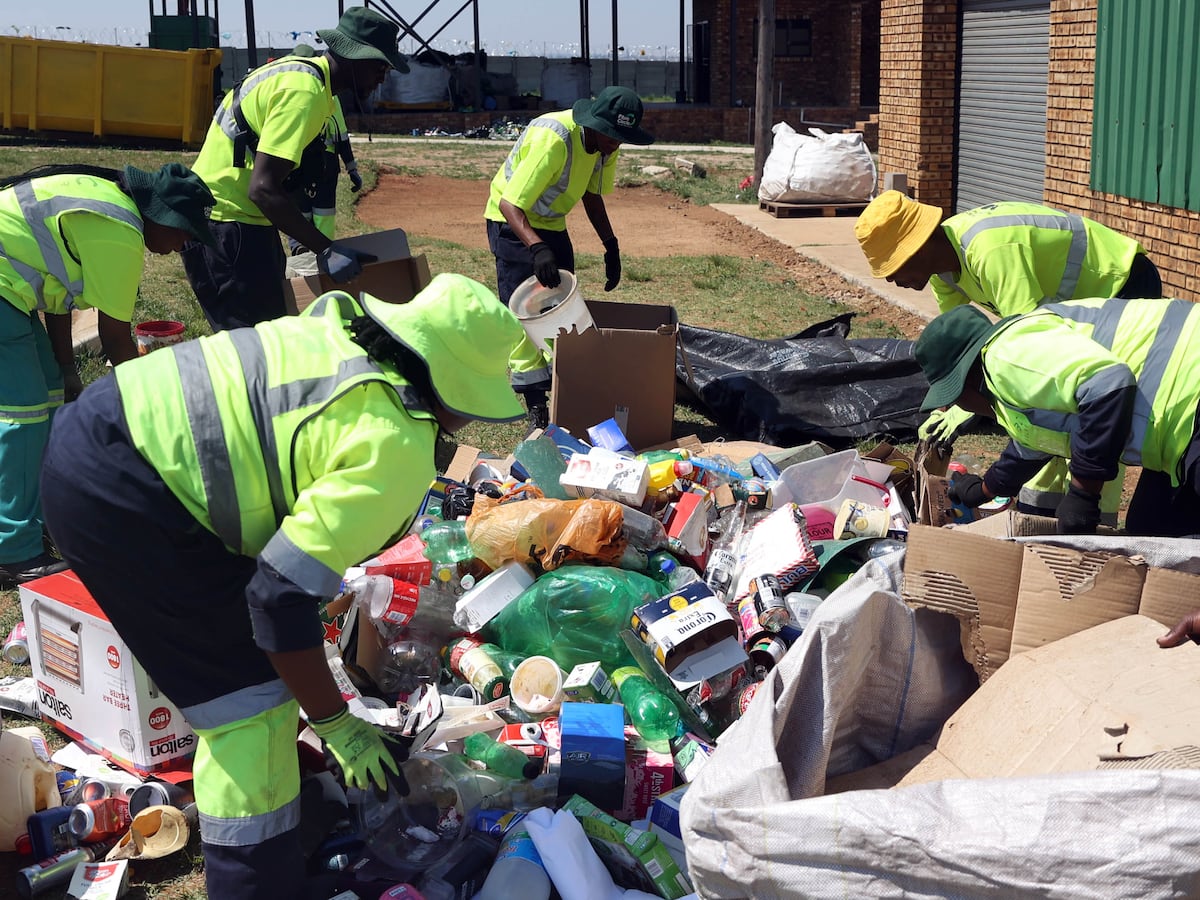
Walk past any dumpsite, any back alley, any overflowing municipal skip in Nairobi or Mombasa, and you will find them — men and women bent over discarded refuse, sorting through what the rest of us have already decided is worthless. They are waste pickers, and they have built an entire economy out of what you threw away without a second thought. In South Africa alone, at least 15,000 waste pickers are formally recorded in the Extended Producer Responsibility programme across Gauteng and KwaZulu-Natal, a figure that almost certainly undercounts the real number of people whose livelihoods depend on your discarded Coca-Cola bottle.
The most valuable item in that bin? A clear cold-drink bottle made from polyethylene terephthalate — PET, in industry shorthand. Sifiso Gumbi, a waste picker and founder of Urban Surfer, an organisation representing reclaimers in Gauteng, has spent years navigating this invisible market. He knows exactly which plastic is worth bending down for and which one will only waste your energy. PET bottles, the fizzy-drink containers and mineral water bottles that litter every street corner, are the gold standard. Milk containers — made from high-density polyethylene, or HDPE — come next. Flexible plastics like shopping bags and wrapping film can also be recycled, but they fetch far less.
Six to eight months ago, a kilogram of PET fetched around R7. Today, Gumbi says that same kilogram earns a reclaimer about R3.50. The market crashed, and nobody warned the people at the bottom of the chain.
A Market With No Floor
This is the brutal reality that waste pickers live with every single day: recycling is a commodity market, and commodity markets move. Musa Chamane from GroundWork Friends of the Earth puts it plainly — when the petrol price rises, the buyer who collects materials from waste pickers factors in higher transport costs, and the price paid to the reclaimer drops accordingly. Aluminium cans, once fetching around R14 per kilogram, have slid to roughly R10 when conditions deteriorate. There is no floor. There is no safety net. There is no regulator setting a minimum price that protects the person doing the physical work of pulling recyclables out of landfill-bound waste streams.
When the market collapses, waste pickers do not get a bailout. They stop selling. Chamane describes reclaimers stashing collected materials at home — bags of crushed cans, bundles of flattened cardboard, sacks of sorted plastic — waiting for prices to recover before they can afford to sell. They are essentially running informal commodity warehouses out of their homes, absorbing market risk that should be shared across the entire value chain.
Not every piece of plastic even offers that option. Multi-layered packaging — the shiny snack packets, the washing-powder pouches — has virtually no market at all. Nobody wants to buy it. Nobody wants to recycle it. And because no reclaimer can make money collecting it, it flows straight into rivers, dams and landfills. Gumbi is direct about who bears responsibility for that outcome: the manufacturers who designed that packaging and put it into the market in the first place.
The Numbers Behind the Labour
A skilled, well-positioned reclaimer can collect between 80 and 400 kilograms of material in a single day, depending on their location, the materials available and how strategically they work their route. Daily earnings range from roughly R100 to R1,000 — a spread that reflects the profound inequality built into the geography of waste. Reclaimers working wealthier suburbs like Sandton, Hyde Park and Houghton encounter not just more recyclables but higher-value discards: electronics, functional household items, materials that command better prices. Those working poorer areas collect less valuable material in greater volumes for lower returns. The geography of wealth reproduces itself all the way down to the rubbish heap.
Extended Producer Responsibility — the policy framework that legally binds producers, importers and brand owners to take responsibility for the full lifecycle of their packaging — was supposed to change this dynamic. Through Polyco, a non-profit focused on making waste economically productive, more than 600 reclaimers have received training, trolleys and protective equipment. A payment platform for glass has enrolled around 1,000 reclaimers and disbursed approximately R2 million in incentives over eight months. These are real numbers, real support. But Gumbi does not pretend they are enough.
“The waste picker incentive is not enough,” he says. “It’s only 15 cents a kilo.” Fifteen cents. For the person doing the work that keeps recyclable material out of the ocean.
Designed to Fail the People Who Make It Work
Chamane goes further. The EPR system, he argues, is structurally flawed — not because the policy is wrong in principle, but because the implementation has left critical gaps that the industry has been happy to exploit. Registered waste pickers should, by any logical reading of the policy’s intent, receive EPR-linked payments when they sell qualifying packaging materials at registered buyback centres. In practice, that linkage breaks down. The money flows up the chain. The reclaimer, who did the actual work of recovery, gets the least.
“The recycling industry in South Africa will not exist without waste pickers,” Chamane says. “But waste pickers are the least paid people in the value chain.” That is not an accident. It is a design choice — one that governments, producers and buyback centre operators have all, at various points, had the power to change and have not.
Behind every plastic container you discard is a market, a worker and a chain of buyers who each take their cut before the person at the bottom sees a cent. Whether that container becomes income or landfill depends on its material composition, its current market price and whether a system built by people who do not pick waste is willing to genuinely support the people who do. Right now, that system is failing. The question is whether enough people — consumers, policymakers, producers — are paying attention to demand it changes.