Over 841 Kenyan nationals have been recruited into Russia’s armed forces through a sophisticated network of deception that operated openly in Nairobi and stretched across continents to the battlefields of Ukraine, according to a damning investigative report released last month and titled Death Contracts. Seventy-six of those Kenyans are already confirmed dead.
The report, produced by journalists working under the Journalists for Justice banner, lays bare a transcontinental pipeline that has pulled in more than 3,034 African nationals in total, with Kenya sitting at the centre of it all, the single largest source of recruits on the continent. The scheme hatched in Nairobi, ran through local and international agencies, and traded men’s lives for signing bonuses, leaving families to mourn over empty graves.
Evans Kibet, a former competitive athlete from Mount Elgon, is among those who fell into the trap. His brother Isaack Maasai describes how Evans was approached by a friend in July last year, promised a trip to Moscow for a running competition, with all expenses covered. What Evans actually signed was a military contract written in Cyrillic, a script he could not read. He watched one million roubles disappear from his signing bonus the moment his pen left the paper. Within weeks he was at the front. Shortly after, he became a prisoner of war, and today he sits in a Ukrainian detention facility alongside hundreds of others from across the continent.
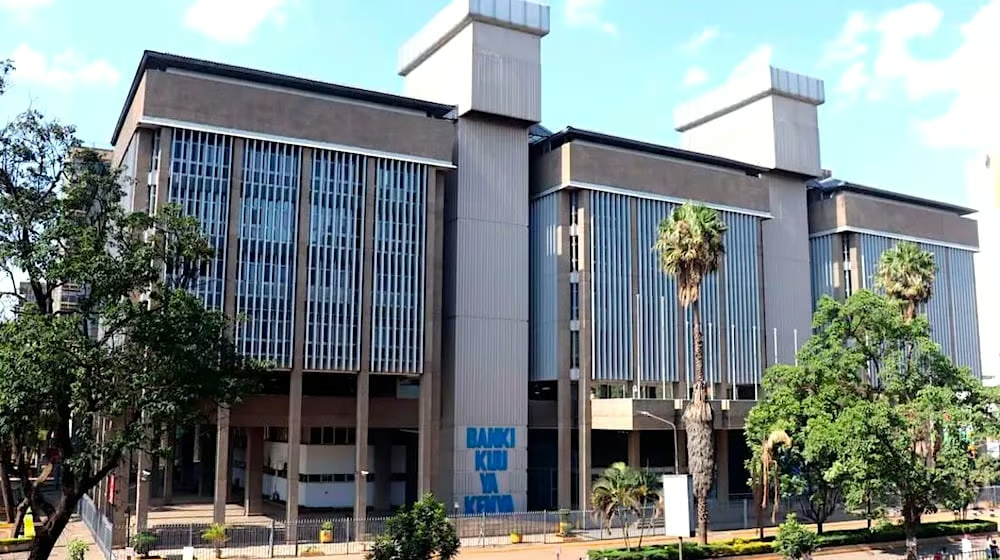
The machinery behind this recruitment allegedly operated in plain sight. Agencies including Global Face Human Resources Limited, under the directorship of Festus Omwamba, are named in the report as key nodes in the network, with operations linked to Nairobi’s KICC. Recruiters targeted former National Youth Service graduates, athletes, and security personnel, dangling promises of high-paying technical or security roles comparable to a Haiti-style peacekeeping mission. Victims paid substantial fees via M-Pesa before being flown out on one-way tickets routed through Istanbul and Dubai.
Economic desperation as the weapon of choice
For many of the men recruited, the decision was not ideological. It was economic. Former military officer Daniel Kariuki lost his Nairobi business during the wave of anti-government protests in 2024 and saw the Russian contract as a lifeline. The reality hit him the moment he landed in St. Petersburg. He was handed Cyrillic documents, pressured to sign, and rushed to the front line after only days of training. Kariuki survived a landmine blast and managed to return to Kenya. Most of the eight men who travelled in his cohort were not so fortunate: some died in drone strikes, others, including Evans Kibet and Wilson Macharia, are now prisoners of war in Ukraine.
The Kenyan government’s response has done little to reassure the families left behind. Foreign Minister Musalia Mudavadi secured a belated pledge from Moscow to halt Ministry of Defence recruitment, but hundreds remain trapped with no clear pathway home. More troubling still, the state has threatened to invoke Section 68 of the Penal Code against the very victims of this scheme, framing their enlistment as voluntary and using that framing to deny compensation to grieving families.
The exploitation does not stop at the battlefield. The report documents a predatory shadow industry of so-called death brokers who now prey on these same families, demanding sensitive personal documents in exchange for a 30 per cent cut of fabricated Russian compensation payouts that never materialise. For families like Evans Kibet’s, the fight has shifted from simply finding a missing son to demanding institutional accountability from a government that has, so far, offered very little of it.