A Cop. A Dance. A Beer. And Now, Consequences.
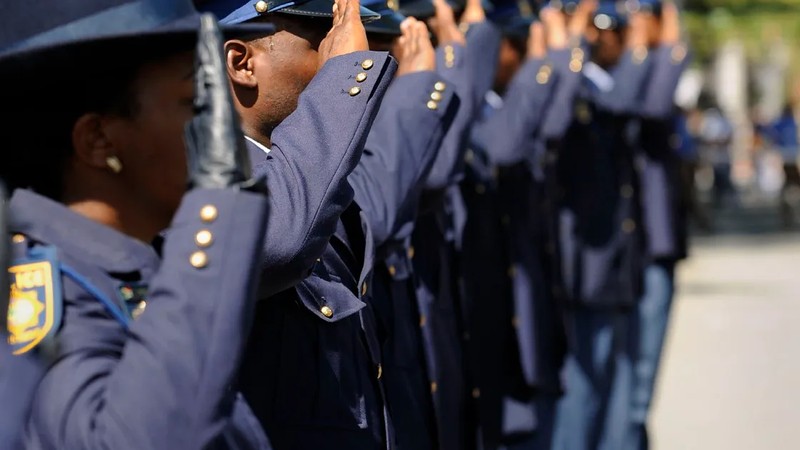
A South African police officer is facing disciplinary action after videos of him dancing with alcohol in hand, in full uniform, went viral on social media. The South African Police Service (SAPS) didn’t laugh it off. They launched a probe, identified the officer, and announced formal departmental steps against him. Imagine that.
This Isn’t Just About One Officer
SAPS leadership in Mpumalanga called the videos a “clear contravention” of police policy and code of conduct. But this incident isn’t isolated — it’s part of a growing trend the police service has been forced to confront head-on.
South Africa’s top cops recently issued a stern, nationwide warning to all officers: stop posting pictures and videos in uniform on social media. The message was blunt — this behaviour is unethical, it violates internal regulations, and it is destroying public trust in law enforcement.
There’s Actually a Law for This
This isn’t just a vibe check from management. National Instruction 5 of 2017 explicitly prohibits SAPS members from representing the police on any social media platform — Facebook, Twitter, YouTube, anywhere — without formal approval.
The rules go further. No officer is allowed to use a profile picture of themselves in uniform. No police badges, logos, or insignia as avatars on personal accounts. None of it. Only communications cleared through the head of corporate communication are permitted.
Why This Matters to You
In Kenya, we’ve watched officers go viral for all the wrong reasons — sometimes harassing civilians, sometimes extorting matatu drivers, sometimes just clowning around in ways that remind you exactly why public trust in the police is at rock bottom. And what happens? Nothing. Crickets. A tweet from a PR account. Maybe a vague “investigations are ongoing.”
South Africa is showing that accountability doesn’t have to be a fantasy. When an officer embarrasses the uniform, you identify them, name the violation, and follow through with disciplinary action. That’s not a radical idea. That’s just basic institutional integrity.
The Uniform Means Something — Or It Should
SAPS put it plainly: “Efficiency, professionalism, integrity, respect, and empathy are vital to service delivery.” These aren’t just buzzwords on a poster. They’re the foundation of whether ordinary people trust the people who are supposed to protect them.
Every time a cop dances with a beer in uniform and faces zero consequences, that foundation cracks a little more. And it’s ordinary Kenyans — not politicians, not the wealthy with private security — who pay the price when that trust collapses completely.
The Bottom Line
An officer broke the rules. South Africa acted. The message to every officer in uniform is now crystal clear: social media is not a consequence-free zone.
The question for Kenya isn’t whether our police have similar rules. The question is whether anyone in power has the political will to enforce them.