The US Senate Has Rebuked Trump Over Iran. Here’s Why It Matters to You.
On Tuesday, June 23, 2026, the United States Senate voted 50 to 48 to demand that President Donald Trump end his war with Iran — a war he launched without asking Congress first, a war that has rattled global energy markets, and a war that is now costing American taxpayers an estimated $80 billion. That money doesn’t stay in Washington. It ripples across the world, and Kenya feels it.
What Actually Happened
The Senate passed a concurrent resolution — already cleared by the House — directing Trump to pull US forces out of hostilities with Iran unless Congress explicitly authorises military action. Four Republicans broke ranks to support it, joining every Democrat in the chamber.
Because it is a “concurrent resolution,” it does not land on Trump’s desk for signature. He cannot veto it. But make no mistake — this is Congress going on record, in both chambers, telling a sitting president: you overstepped.
Trump Started a War Without Permission
The conflict began in late February with US and Israeli strikes on Iran. No congressional vote. No formal declaration of war. Just Trump, acting alone, igniting a regional conflict that has since dragged in Lebanon and Gulf states.
Under the 1973 War Powers Act, any president who deploys US forces into hostilities must get congressional authorisation within 60 days. Trump did not. Democrats say that is a direct violation of the US Constitution. The White House says the war is already over — pointing to an April ceasefire — and that the resolution is therefore pointless.
Trump called the Senate vote “poorly timed and meaningless” on his Truth Social platform. He is angry. That alone tells you the vote landed.
Why Young Kenyans Should Care
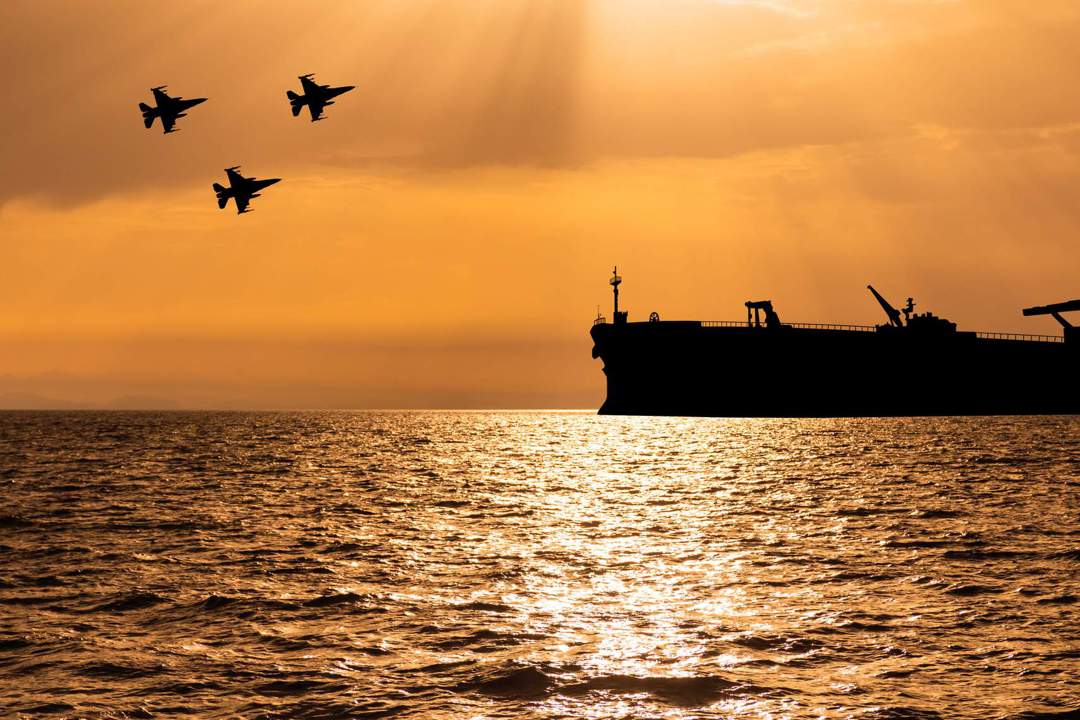
This is not a distant American political drama. The Iran war disrupted the Strait of Hormuz — one of the world’s most critical shipping lanes. When that route chokes, oil prices spike. When oil prices spike, fuel costs in Nairobi rise. When fuel costs rise, the price of unga, transport, and electricity follows.
Senator Amy Klobuchar put the price tag plainly: the Trump administration is asking Congress for roughly $80 billion to cover the cost of this war. That is money borrowed, printed, or redirected — all of which feeds global inflation that squeezes economies like Kenya’s hardest.
The Diplomacy Is Shaky at Best
Trump and Iranian President Masoud Pezeshkian signed a preliminary memorandum of understanding to halt the wider conflict and reopen the Strait of Hormuz. Now the administration has 60 days to turn that into a final deal covering Iran’s nuclear programme and sanctions relief.
But the cracks are already showing. Iran said on Tuesday that the UN nuclear watchdog would not be allowed to inspect nuclear sites bombed by the US and Israel in 2025 — directly contradicting Vice President JD Vance’s claim that Tehran had agreed to inspections.
Iran’s top negotiator Mohammad Bagher Ghalibaf went further, warning that the Strait of Hormuz would “never return” to pre-war conditions of free passage. That is not the language of a settled peace.
The Bigger Picture: Who Controls War?
Senate Democratic leader Chuck Schumer forced the vote to make Republicans choose a side publicly. His message was blunt: “Republicans can complain about Trump’s war, his secrecy, and his disastrous deal with Iran all they want behind closed doors, but the only way to ensure this war ends once and for all is for Republicans to act.”
Senator Bernie Sanders framed it as a constitutional question: “Presidents cannot unilaterally take us to war. That’s the responsibility of Congress.”
Speaker Mike Johnson, a Trump loyalist, pushed back — arguing that limiting the commander-in-chief during active negotiations is a “very dangerous prospect.” That is the official line. Read it carefully. It is the same logic every government uses when it wants to act without accountability.
This Is Not Over
The resolution carries disputed legal force. Trump has repeatedly threatened renewed strikes. Major disputes over nuclear inspections remain unresolved. And with US midterm elections approaching in November, the political pressure on every senator and congressman is intensifying.
What the vote confirms is this: even within Trump’s own political system, the Iran war has become a liability. The question now is whether a final deal gets done — or whether the Strait of Hormuz remains a flashpoint that keeps the whole world paying.