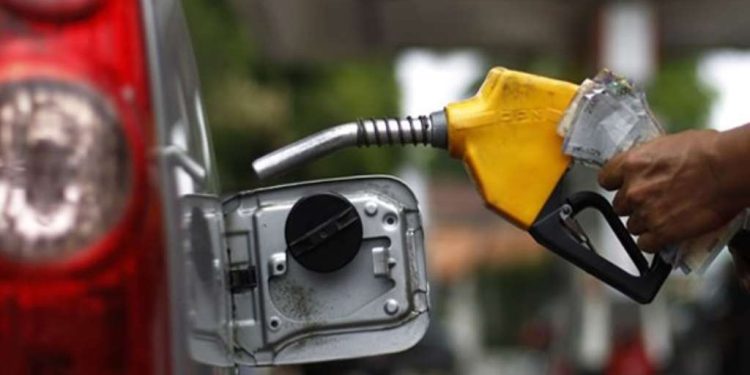
Picture yourself at a petrol station, watching the pump tick upward, each digit a quiet reminder that your money is disappearing faster than the tank fills. That anxiety is real, and it has been building for months. Now, finally, there is a shift — fuel prices are expected to fall, and for once, the numbers are moving in your favour.
Oil Marketing Companies have begun implementing new prices for the second pricing window of October, and the relief, while modest, is tangible. Petrol prices are projected to drop by close to 2%, while diesel is expected to fall by 3.32% — a meaningful cut for anyone who drives, commutes, or runs a business that depends on fuel. On a cash-purchase basis, petrol is projected to sell at GH¢17.67 per litre, with diesel expected to retail at GH¢19.30 per litre.
But do not celebrate too loudly just yet. The cedi’s recent depreciation is quietly eating into those gains from lower international petroleum product prices. The global market may be softening, but a weakening currency blunts that edge — and that tension is something every Kenyan household budget understands intimately.
Here is what you need to understand about how we even got here. During the first pricing window of October, major oil marketing companies held their pump prices steady. That stability did not happen by accident — it was engineered. The Sentuo Oil Refinery and the Tema Oil Refinery agreed to freeze the prices at which they supplied petroleum products to Bulk Distribution Companies, locking them at levels from the previous pricing window. On top of that, the government suspended the GH¢1-per-litre dumsor levy on diesel for the entire month of October. These were deliberate interventions, not market forces at work.
Those interventions came because the alternative was genuinely alarming. Earlier price increases had sparked real fear that pump prices could breach or even exceed GH¢20 per litre — a psychological and economic threshold that would have sent shockwaves through transport costs, food prices, and the everyday cost of living. The government blinked first. Whether that reflects genuine concern for ordinary people or political calculation ahead of an election cycle is a question worth sitting with.
Under the new pricing window, the floor price for petrol is set at GH¢16.09 per litre, while diesel carries a minimum of GH¢17.09 per litre. These are the minimums. Actual pump prices will vary across outlets, because individual Oil Marketing Companies layer on their own costs and margins. What you pay at the pump is never just what the government announces — and that gap is where consumers consistently lose.
The broader picture is one of a system under pressure. Currency depreciation, global oil market swings, domestic refinery politics, and government levies all collide at that single moment when you lift the nozzle. The price drop today is real, but it is fragile. It rests on temporary government interventions and a global price environment that can shift overnight. Young Kenyans who are already stretching every shilling on transport, rent, and food cannot afford to treat this as a solved problem. Watch the next pricing window. Watch the cedi. Watch what happens when the dumsor levy suspension ends. The numbers will tell you everything the official press releases will not.